Digital advertising is rapidly shifting from manual media buying to intelligent, automated ecosystems. The Future of Programmatic Media Advertising: Emerging Formats and Smart Targeting Options highlights how technology-led buying is reshaping how brands reach audiences at scale. With advancements in data intelligence, AI, and privacy-first frameworks, programmatic advertising is no longer limited to display banners. Instead, it now spans video, connected TV, digital outdoor, audio, and emerging immersive formats.
Evolution of Programmatic Media Advertising
Initially, programmatic advertising focused on automating display ad buying. However, as technology matured, it expanded across multiple digital channels. Today, programmatic platforms handle real-time bidding, audience segmentation, creative optimization, and performance tracking seamlessly.
Moreover, the future emphasizes quality over quantity. Brands now prioritize contextual relevance, premium inventory, and brand-safe environments. As a result, programmatic media has evolved from being cost-driven to value-driven.
Emerging Programmatic Media Formats Shaping the Future
Programmatic Video and Connected TV (CTV)
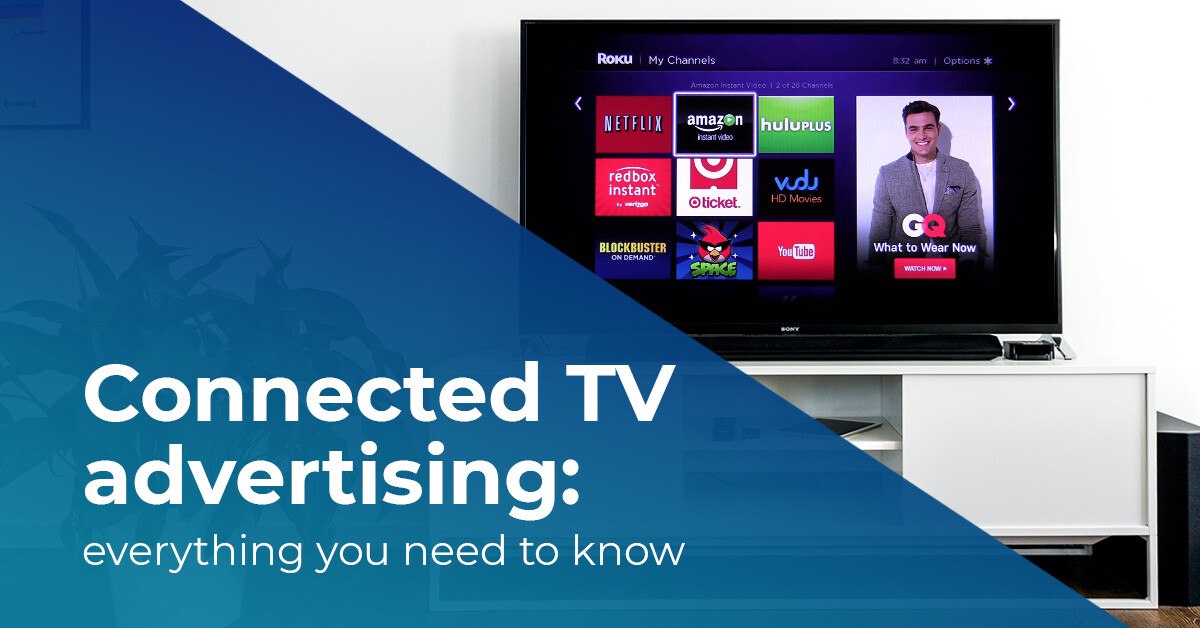
Programmatic video continues to grow rapidly, especially with the rise of connected TV. Advertisers now reach audiences watching OTT platforms and smart TVs using data-driven targeting. Consequently, brands achieve television-scale reach with digital-level precision.
Additionally, automation optimizes ad frequency and placement timing. Therefore, viewer experience improves while ad effectiveness increases.
Programmatic Digital Out-of-Home (DOOH)
Programmatic DOOH allows brands to buy digital outdoor screens dynamically. Campaigns activate based on location, time of day, weather, and audience movement. As a result, messaging becomes hyper-relevant to real-world contexts.
Furthermore, DOOH bridges offline visibility with digital intelligence. Therefore, it plays a crucial role in omnichannel media strategies.
Programmatic Audio Advertising
Audio streaming platforms and podcasts now support programmatic buying. Brands target listeners based on content genres, moods, and listening behavior. Consequently, audio ads deliver high engagement without visual clutter.
Moreover, audio works effectively for both brand storytelling and performance-driven messaging. Hence, it is becoming a key emerging format.
Native and Content-Led Programmatic Formats
Native ads and sponsored content are increasingly being distributed programmatically. This approach combines automation with contextual relevance. As a result, branded content reaches the right audience environments at scale while maintaining editorial alignment.
Smart Targeting Options Defining the Future
Contextual and Semantic Targeting
With the decline of third-party cookies, contextual targeting is gaining momentum. Advanced AI now analyzes page sentiment, themes, and intent. Therefore, ads appear alongside relevant content without tracking individual users.
First-Party Data and Publisher Segments
Brands increasingly rely on first-party data collected through websites, apps, and CRM systems. Programmatic platforms activate this data securely. Additionally, premium publishers offer privacy-compliant audience segments. As a result, targeting remains accurate and consent-driven.
Predictive and AI-Based Targeting
AI-driven models predict user intent based on historical and real-time signals. Automation then adjusts bids and placements instantly. Consequently, campaigns become more efficient and responsive to changing audience behavior.
Location and Moment-Based Targeting
Location intelligence enables brands to trigger ads based on geography, movement patterns, and real-world conditions. Combined with automation, this targeting delivers timely and relevant messaging. Therefore, engagement rates improve significantly.

Role of Automation and AI in Programmatic Growth
Automation ensures campaigns run continuously with minimal manual effort. AI optimizes bidding, pacing, and creative delivery in real time. As a result, media planners shift focus from execution to strategy.
Moreover, AI-powered creative testing identifies high-performing visuals and messages faster. Therefore, creative performance improves alongside media efficiency.
Measurement and Attribution in Future Programmatic Campaigns
Future programmatic advertising relies on aggregated and modeled measurement. Instead of individual-level tracking, AI evaluates performance across touchpoints. Consequently, attribution becomes privacy-first while remaining actionable.
Additionally, real-time dashboards provide visibility into reach, engagement, and ROI. Therefore, decision-making becomes faster and more data-driven.
Benefits for Brands and Marketers
Firstly, programmatic media delivers scalability across formats and markets. Secondly, smart targeting reduces media wastage. Moreover, automation improves operational efficiency. As a result, brands achieve better outcomes with optimized budgets.
Furthermore, emerging formats allow brands to innovate creatively. Therefore, programmatic advertising supports both performance and brand-building objectives.
Conclusion: Programmatic Advertising as the Backbone of Future Media Plans
In conclusion, the Future of Programmatic Media Advertising: Emerging Formats and Smart Targeting Options points toward a smarter, more contextual, and privacy-led ecosystem. With the expansion into CTV, DOOH, audio, and native formats, programmatic media is becoming truly omnichannel. Backed by AI, data, and automation, it enables brands to connect with audiences more meaningfully than ever before.