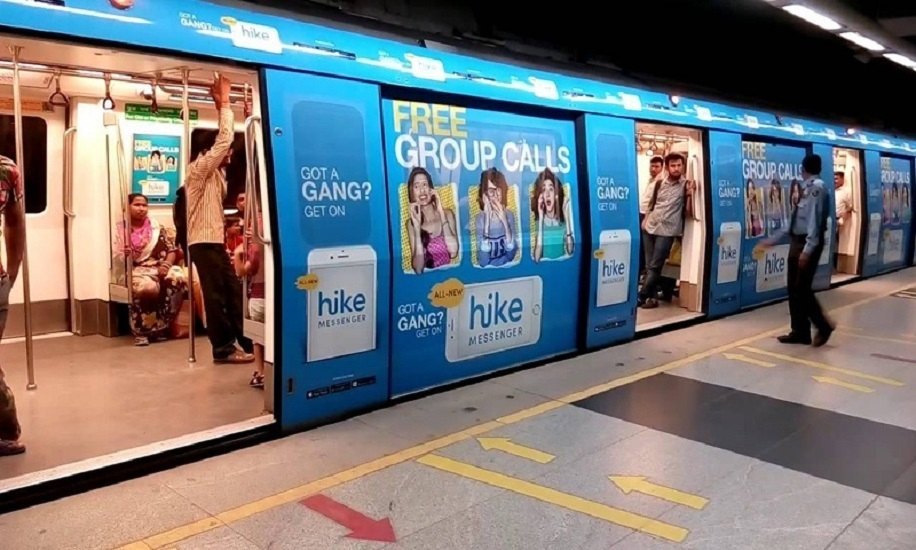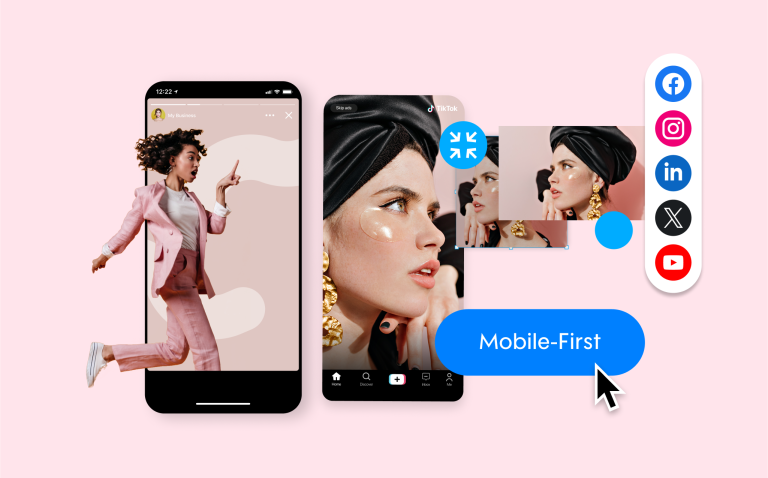
India is a mobile-first nation where smartphones dominate digital consumption. With affordable data plans and widespread device adoption, brands increasingly prioritise mobile-first digital advertising media options to reach India’s smartphone audience effectively. As users spend more time on mobile apps, short videos, and social platforms, advertisers must design campaigns specifically for small screens and on-the-go behavior.
Rather than adapting desktop campaigns for mobile, brands now build mobile-native strategies. Consequently, messaging becomes sharper, formats become shorter, and performance improves across the funnel.
Why Mobile-First Advertising Matters in India
India has over 700 million smartphone users, and most internet access happens via mobile devices. Therefore, mobile-first advertising ensures brands meet consumers where they spend maximum time.
Moreover, mobile ads support location targeting, app-based engagement, and real-time interaction. As a result, advertisers gain better personalization and higher engagement compared to traditional digital formats.
Mobile Display Advertising Media Options
Mobile display advertising includes banners, interstitials, and responsive ads shown within apps and mobile websites. These formats work well for awareness and retargeting campaigns. Because mobile display ads load quickly and adapt to screen size, they ensure seamless user experience. Additionally, advertisers can target users based on device type, location, interests, and browsing behavior.

In-App Advertising for Smartphone Users
In-app advertising reaches users while they engage with mobile applications such as news, gaming, shopping, and utility apps. These ads appear as native placements, rewarded videos, or full-screen interstitials.
Since users spend most of their mobile time inside apps, in-app ads deliver high attention. Consequently, brands achieve better recall and interaction compared to mobile web ads.
Short-Form Video Advertising on Mobile
Short-form video is the most powerful mobile-first format in India. Platforms like Instagram and YouTube drive massive daily video consumption through Reels and Shorts.
These vertical videos capture attention within seconds. Therefore, brands use them for product demos, influencer collaborations, and storytelling. Additionally, short-form video ads perform well across metro and non-metro markets due to low language and literacy barriers.
Mobile Search Advertising
Mobile search advertising targets users with high intent. When users search for products, services, or “near me” queries on Google, brands can appear instantly through paid search ads.
Since mobile searches often lead to immediate action, such as calls or store visits, search ads deliver strong conversion rates. As a result, mobile search remains a core performance-driven media option.
Social Media Advertising Optimised for Mobile
Social media platforms are inherently mobile-first. Feed ads, story ads, carousel posts, and click-to-message ads are designed for thumb-friendly navigation.
Moreover, mobile social ads allow interest-based, demographic, and location targeting. Therefore, brands can reach niche audiences with precise messaging while controlling frequency and budgets.

Programmatic Mobile Advertising
Programmatic mobile advertising automates ad buying across apps and mobile websites. Using real-time bidding, advertisers serve ads to users based on data signals such as location, behavior, and device usage.
Because programmatic buying allows real-time optimization, brands improve efficiency and reduce wastage. Additionally, programmatic mobile ads integrate easily with video, audio, and DOOH campaigns.
Mobile Audio Advertising
Mobile audio advertising targets users listening to music, podcasts, or online radio through their smartphones. These ads deliver high attention during screen-free moments like commuting or workouts.
Since audio ads rely on voice rather than visuals, they build strong brand recall. Consequently, brands use mobile audio to complement visual-heavy campaigns.
Industries Benefiting Most from Mobile-First Advertising
E-commerce, fintech, food delivery, education, gaming, OTT platforms, and local services actively use mobile-first media options. Similarly, real estate and retail brands leverage mobile ads for location-based targeting and lead generation.
As smartphone usage expands in Tier 2 and Tier 3 cities, mobile-first advertising becomes even more critical for regional reach.
Best Practices for Mobile-First Digital Advertising
To begin with, brands should design creatives vertically and keep messages concise. Next, loading speed and clear CTAs must be prioritised. Additionally, content should match mobile consumption habits such as quick scrolling and short attention spans.
Finally, advertisers should track mobile-specific metrics like app installs, click-to-call actions, and engagement time. Therefore, optimization becomes more precise and outcome-driven.
Conclusion
Mobile-first digital advertising media options for India’s smartphone audience offer unmatched reach, relevance, and engagement. By leveraging mobile display, in-app ads, short-form video, search, social, and programmatic formats, brands can connect with consumers effectively across their daily digital journeys. As India’s digital growth continues to be smartphone-led, mobile-first advertising will remain the foundation of successful media strategies.