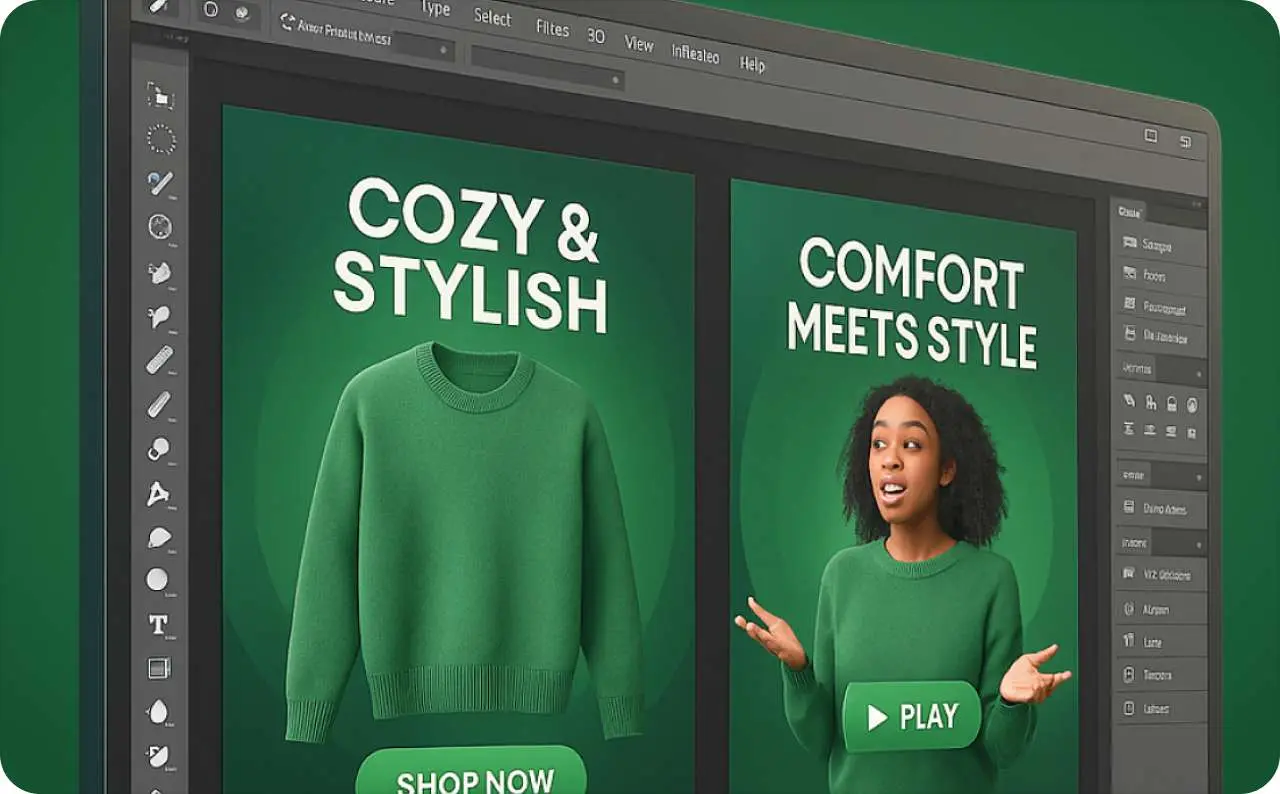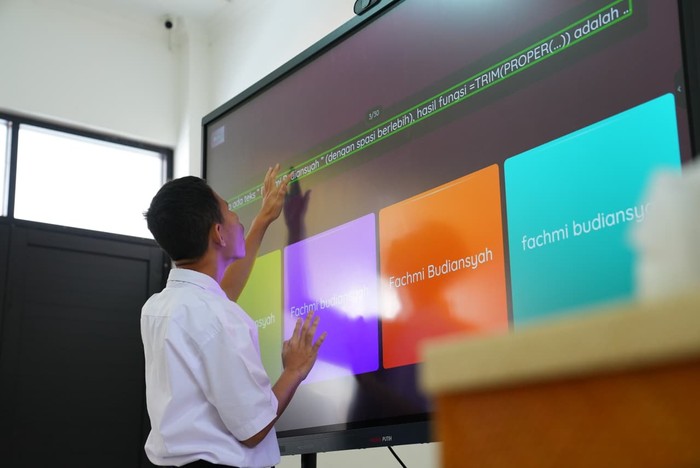
As digital media buying becomes more data-driven, brands are rapidly adopting programmatic advertising media options to improve efficiency, targeting, and transparency. Among the most widely used models are RTB (Real-Time Bidding), Private Marketplace (PMP), Programmatic Guaranteed, and Programmatic DOOH. Each option serves a different purpose and aligns with specific campaign objectives.
Instead of relying on a single buying method, advertisers now combine multiple programmatic options to balance scale, control, and impact. Therefore, understanding how RTB, PMP, Guaranteed, and DOOH differ is essential for effective media planning.
What Is Real-Time Bidding (RTB) in Programmatic Advertising?
RTB is the most common form of programmatic advertising media. In this model, ad impressions are bought and sold through real-time auctions that occur within milliseconds.
When a user visits a website or app, advertisers bid for the impression via a demand-side platform (DSP). The highest bidder wins, and the ad appears instantly.
Why Brands Use RTB
RTB offers massive scale and cost efficiency. Because inventory is open and competitive, advertisers can reach large audiences at optimized prices. As a result, RTB works best for awareness, reach, and retargeting campaigns.
However, inventory quality can vary. Therefore, brands often apply brand-safety filters, frequency caps, and audience targeting layers to maintain performance.
Private Marketplace (PMP): Controlled Programmatic Buying
Private Marketplace (PMP) deals offer a middle ground between open RTB and direct buying. In a PMP setup, premium publishers invite selected advertisers to bid on exclusive inventory.
Unlike open auctions, PMP deals provide better transparency, higher-quality placements, and predictable environments. Consequently, brands gain more control while still benefiting from programmatic automation.
When PMP Works Best
PMP campaigns are ideal for premium brand placements, contextual relevance, and safe environments. Advertisers often use PMP for video, native, and high-impact display formats.

Publishers like premium news platforms and OTT apps frequently offer PMP inventory to maintain content quality and advertiser trust.
Programmatic Guaranteed: Fixed Inventory with Automation
Programmatic Guaranteed combines the certainty of traditional direct buying with the efficiency of programmatic technology. In this model, advertisers pre-book a fixed number of impressions at a fixed price.
Unlike RTB or PMP, there is no auction involved. Instead, inventory is reserved in advance and delivered programmatically.
Key Advantages of Programmatic Guaranteed
This option ensures guaranteed delivery, premium placements, and predictable pricing. Therefore, brands use it for large launches, festive campaigns, and high-visibility sponsorships.

Additionally, automation reduces manual execution while preserving full control over where ads appear.
Programmatic DOOH: Automation Meets Outdoor Advertising
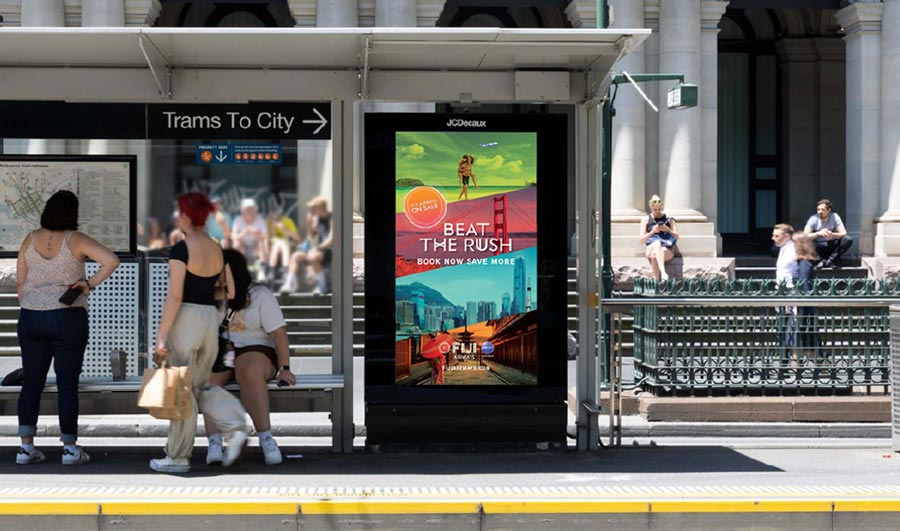
Programmatic DOOH (Digital Out-of-Home) extends programmatic buying beyond screens and into the physical world. These ads appear on digital billboards, mall screens, airport displays, metro stations, and office lobbies.
Unlike traditional outdoor advertising, programmatic DOOH allows advertisers to trigger ads based on time of day, location, weather, or audience movement.
How Programmatic DOOH Works
DOOH inventory is made available through specialized exchanges. Advertisers bid or book screen time dynamically. For example, a beverage brand can run ads only during high temperatures or evening hours.
Moreover, programmatic DOOH integrates seamlessly with mobile and digital campaigns. As a result, brands create omnichannel visibility by combining online impressions with physical-world exposure.
Comparing RTB, PMP, Guaranteed, and DOOH
Each programmatic media option serves a unique role. RTB delivers scale and efficiency. PMP offers premium control and safety. Programmatic Guaranteed ensures certainty and visibility. DOOH provides high-impact presence in real-world environments.
Therefore, brands rarely rely on one option alone. Instead, they design layered strategies that move audiences from awareness to consideration and action.
Industries Using Programmatic Advertising Media Options
E-commerce, FMCG, fintech, automotive, real estate, entertainment, and telecom brands actively use RTB, PMP, and Guaranteed buying models. Meanwhile, QSR, retail, travel, and lifestyle brands increasingly adopt programmatic DOOH for location-based visibility.
As competition increases, programmatic flexibility helps brands stay agile across markets and seasons.
Best Practices for Choosing the Right Programmatic Option
To begin with, brands should clearly define campaign objectives. RTB suits scale-focused campaigns, while PMP and Guaranteed work better for premium branding. Additionally, DOOH should be aligned with location-driven objectives.
Next, creatives must be optimized for each format. Digital screens and outdoor DOOH require different messaging styles. Finally, continuous monitoring ensures budgets flow toward high-performing inventory.
Conclusion
Programmatic advertising media options—RTB, PMP, Guaranteed, and DOOH—offer brands unmatched flexibility and control in today’s fragmented media landscape. By understanding how each buying model works and where it fits in the funnel, advertisers can build smarter, more effective campaigns. As automation continues to shape advertising, programmatic media buying will remain a core pillar of scalable, data-led brand growth.