Transit and metro advertising offers brands immense visibility in urban India, where millions commute daily. However, marketers must understand that this powerful medium is governed by a mix of local rules, transit-authority permissions, content guidelines, and safety regulations before launching campaigns. Compliance ensures smooth execution, avoids legal trouble, and protects brand reputation. Here’s a city-agnostic guide to the key restrictions and regulatory considerations marketers should know:

1. Permission and Transit Authority Approvals Are Mandatory
Before placing ads on buses, metro trains, stations, or other vehicles, advertisers must secure formal approvals from relevant authorities:
-
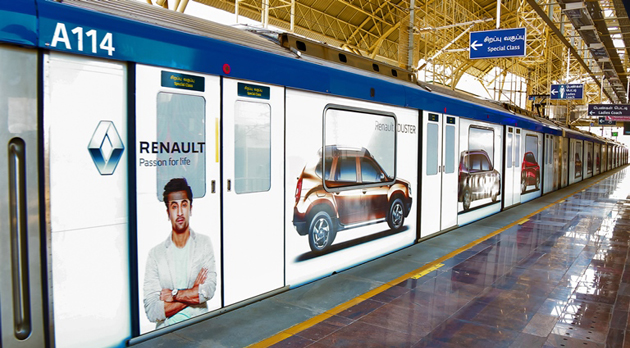
For metro advertising in networks like Delhi Metro or Mumbai Metro, brands need specific permissions from the respective metro rail corporations (e.g., DMRC, MMRCL) for station, in-train, interior, exterior, or wrap campaigns.
-
Transit advertising on buses typically requires clearance from transport authorities, RTOs, and traffic police in the city.
-
Approval from local municipal bodies or transport departments is also essential for ad placements on bus shelters, stops, or transit hubs.
Without these permits, campaigns can be rejected or removed, and advertisers may face penalties.
2. Content Restrictions on Metro and Transit Ads
Most metro authorities enforce content guidelines that restrict certain types of messaging to protect public interest and commuter safety:
-
Advertisements that are obscene, indecent, or offensive are prohibited.
-
Ads promoting tobacco, alcohol, or drugs are generally banned on public transport properties.
-
Content must avoid promoting violence, discrimination, hate speech, or defamatory material.
-
Some metro systems also prohibit audio ads or dynamic content that could distract commuters or drivers.
These content norms align closely with broader advertising standards in India, such as the Advertising Standards Council of India (ASCI) Codes, which emphasize legality, decency, and truthfulness.
3. Vehicle and Safety Regulations
For transit media on public vehicles, specific safety and usage guidelines apply:
-
No vehicle should be used solely for advertising without serving its primary transportation purpose.
-
Ads must not interfere with mandatory vehicle signage (like registration plates), obstruct driver vision, or pose a safety hazard.
-
Some cities have rules on GPS or safety equipment installation for auto or taxi advertising campaigns to ensure tracking and compliance.
-
Rapidly changing or distracting digital content (like flashing visuals) on transit vehicles is often regulated to prevent driver distraction.

4. Zoning, Placement, and Format Restrictions
While national laws may be less prescriptive, many cities enforce zoning and placement norms:
-
Outdoor policies in major cities often restrict advertising near schools, hospitals, residential areas, heritage zones, or sensitive public spaces to reduce visual clutter and increase safety.
-
Transit advertising rights at metro stations or buses may be grouped into specific formats (e.g., digital screens, pre-fabricated panels) with clear limitations on size, location, and orientation.
-
City-specific advertisement bylaws may dictate spacing, height, and total ad area to preserve aesthetics and comply with municipal standards.
5. Restrictions on Political and Sensitive Messaging
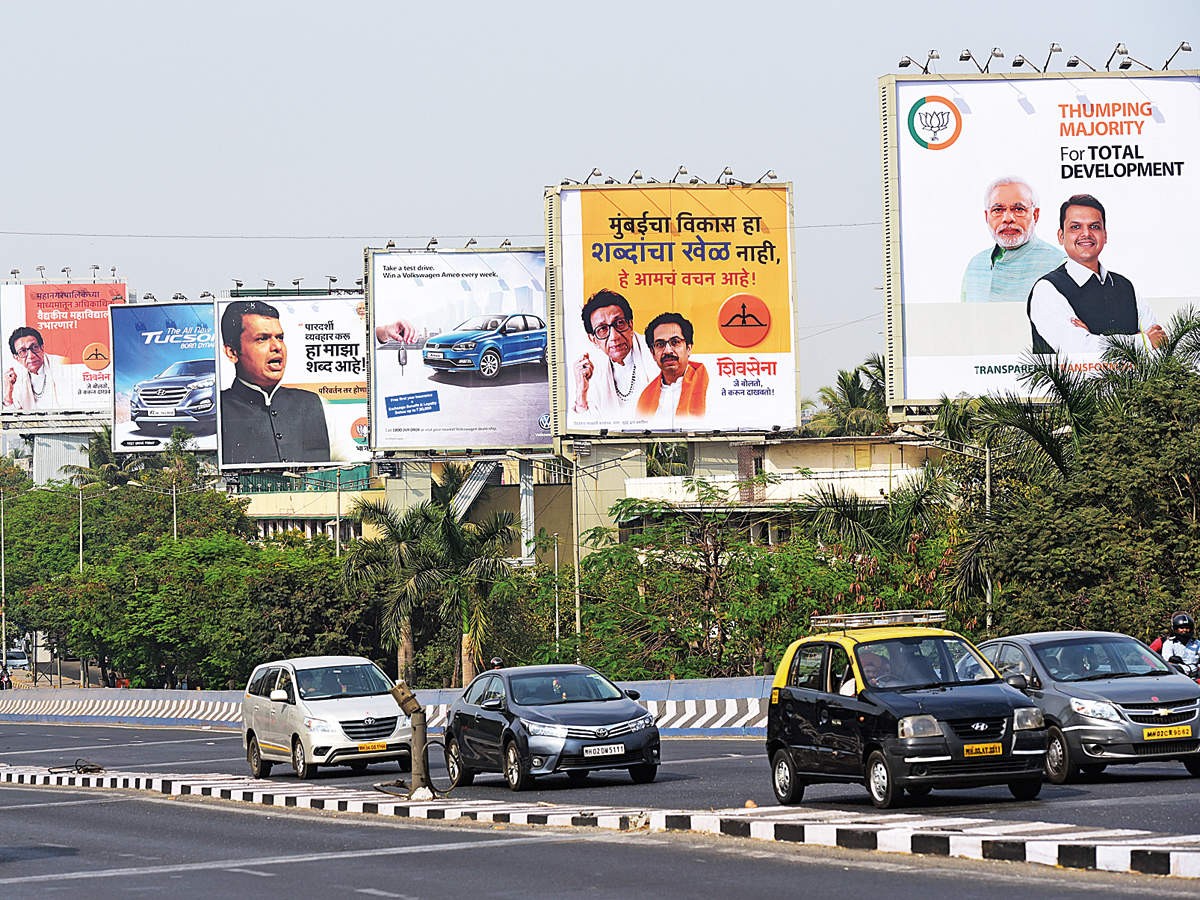
Transport authorities and city regulations often prohibit political advertisements on transit media, especially near election periods, unless explicitly allowed by election law or overseen by election authorities. These restrictions help maintain neutrality in public spaces and avoid legal challenges. (This follows broader electoral and ad policy norms, though specific laws vary by city and election cycle.)
6. Local Policy Variations Across Cities
Indian metros do not all adhere to a uniform national transit ad policy. While cities like Delhi, Mumbai, Bengaluru, and others are refining outdoor and transit ad regulations to manage safety and aesthetics, some still operate in a relatively unregulated environment—especially for smaller transit formats or in emerging urban markets.
Advertisers planning campaigns should consult local transit authorities and municipal ad policies for the city where they intend to advertise, as requirements may differ significantly.
Conclusion: Compliance Is Key
Transit and metro advertising in Indian cities offers unparalleled reach among daily commuters. Yet, marketers must navigate a complex landscape of permissions, content standards, safety rules, and local advertising policies to execute campaigns legally and effectively. By securing the right approvals, adhering to content guidelines, and respecting local zoning and safety regulations, advertisers can ensure impactful campaigns that align with both regulatory expectations and audience preferences.
Key Takeaways for Marketers
-
Secure permissions from transit authorities (metro, bus corporation, RTO, traffic police).
-
Follow content and safety guidelines strictly (no offensive or restricted products).
-
Understand local zoning and advertising bylaws in each city.
-
Align campaigns with national and self-regulatory standards like ASCI codes.