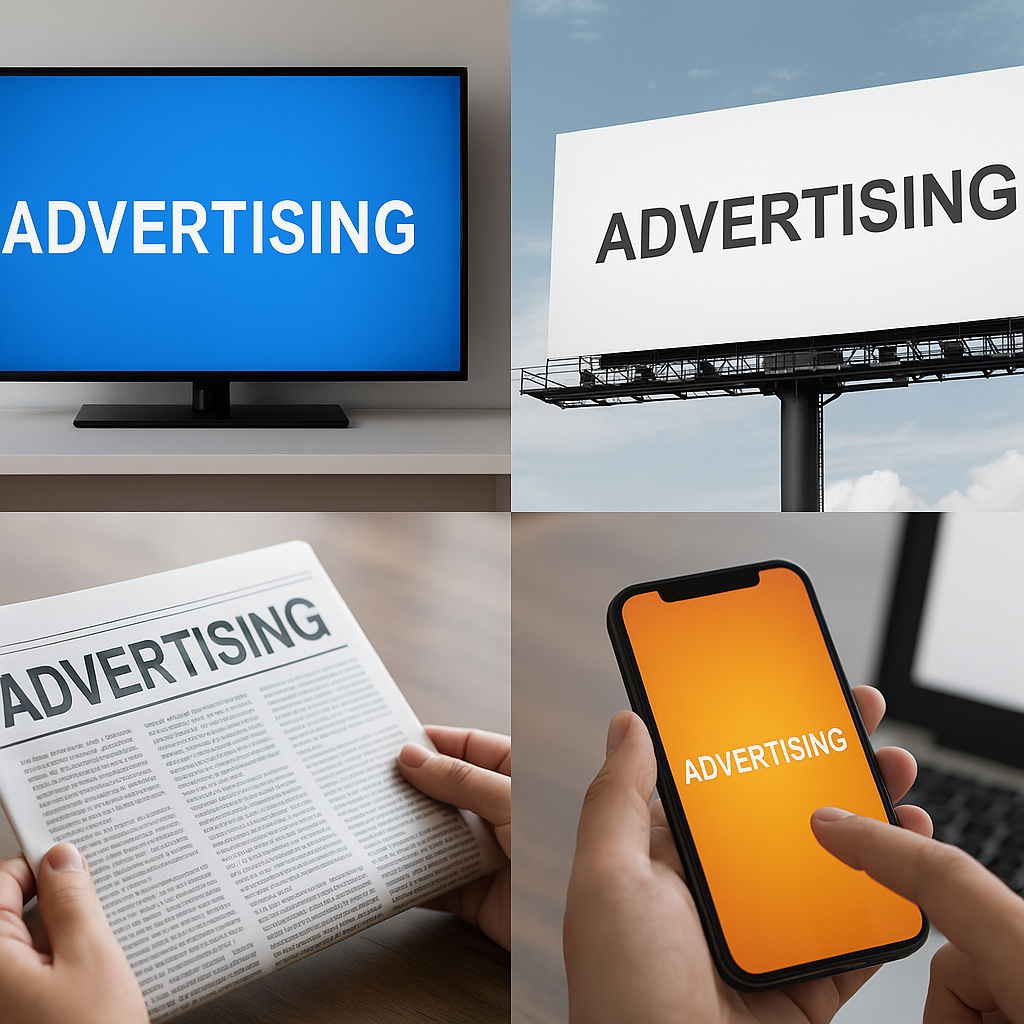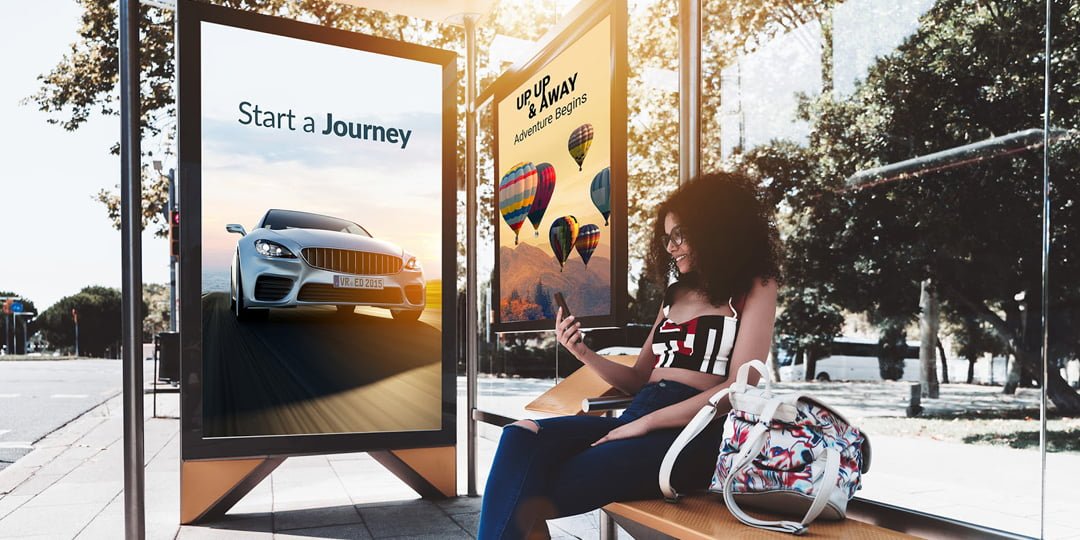
In today’s fast-moving media ecosystem, brands can no longer rely on a single channel to make a lasting impression. Consumers move seamlessly between physical spaces and digital platforms every day. Therefore, combining outdoor advertising with digital media has become a powerful strategy to amplify reach, engagement, and conversions. When executed correctly, this integration creates a connected brand journey that strengthens recall and drives measurable business outcomes.
Moreover, outdoor advertising delivers mass visibility, while digital media ensures precision targeting. Together, they build a holistic communication funnel that influences consumers at multiple touchpoints.
How Combining Outdoor Advertising with Digital Media Creates Synergy
Outdoor advertising captures attention in the real world through billboards, transit ads, street furniture, and digital out-of-home (DOOH) screens. Digital media, on the other hand, enables brands to continue the conversation online through mobile ads, social media, search, and programmatic campaigns.
When these channels work together, campaigns benefit from contextual reinforcement. For instance, a consumer who sees a billboard during a commute is more likely to engage with a related digital ad later. As a result, message retention improves significantly.
Additionally, digital platforms allow brands to retarget audiences exposed to outdoor ads. This approach bridges offline awareness with online action, making the campaign journey seamless.
Role of Digital Amplification in Outdoor Advertising Campaigns
Digital amplification enhances the effectiveness of outdoor advertising by extending its lifespan beyond physical exposure. QR codes, NFC tags, and short URLs on billboards encourage instant interaction. Meanwhile, geofencing and location-based targeting push mobile ads to users near outdoor sites.
Consequently, outdoor advertising no longer remains a passive medium. Instead, it becomes interactive and data-driven. Brands can track impressions, clicks, and conversions, which helps optimize future media plans.
Furthermore, social media plays a vital role in amplification. Visually striking outdoor creatives often spark user-generated content, shares, and organic discussions. This earned media significantly boosts campaign impact without additional media spend.
Using DOOH and Programmatic Media for Smarter Targeting
Digital out-of-home screens combined with programmatic buying offer real-time flexibility. Advertisers can change creatives based on time, weather, audience demographics, or local events. At the same time, digital ads mirror the same messaging across mobile and social platforms.
This synchronization ensures consistency while allowing personalization. As a result, brands deliver relevant messages at the right moment. Moreover, real-time performance insights help marketers adjust creatives quickly to maximize ROI.
Measuring the Impact of Integrated Outdoor and Digital Campaigns
One major advantage of combining outdoor advertising with digital media is improved measurability. Brands can track uplift in website traffic, app installs, store visits, and search volume during outdoor campaign periods.
Attribution models now link offline exposure with online behavior. Therefore, marketers gain a clearer understanding of how outdoor media influences digital conversions. This data-driven clarity strengthens confidence in outdoor investments.
Industries That Benefit Most from Outdoor and Digital Integration
Retail, FMCG, real estate, automotive, entertainment, and fintech brands benefit greatly from integrated campaigns. Outdoor ads build mass awareness, while digital media nudges consumers toward consideration and purchase.
Additionally, startups and D2C brands leverage this combination to establish credibility quickly. Outdoor visibility builds trust, while digital platforms drive performance metrics.
Conclusion: The Future of High-Impact Advertising
As consumer journeys become increasingly fragmented, combining outdoor advertising with digital media is no longer optional. Instead, it is essential for brands aiming to achieve scale, relevance, and measurable results. By blending physical presence with digital precision, marketers create memorable, high-impact campaigns that perform across the entire funnel.
Ultimately, the brands that integrate both worlds effectively will lead the future of advertising.