Out-of-home advertising continues to evolve as brands seek better visibility and stronger engagement. Traditionally, static hoardings dominated outdoor media. However, digital out-of-home (DOOH) screens are rapidly transforming how brands communicate in public spaces. Understanding the key differences between static hoardings and digital DOOH screens helps advertisers choose the right format based on campaign goals, budget, and audience behavior.
What Are Static Hoardings?
Static hoardings are traditional outdoor advertising formats that display printed creatives. These include billboards, unipoles, wall wraps, and flex displays placed at high-traffic locations.
Once installed, the creative remains unchanged for the entire campaign duration. Therefore, messaging is fixed and visibility depends primarily on location and traffic flow.

Static hoardings continue to deliver strong reach, especially on highways and arterial roads.
What Are Digital DOOH Screens?
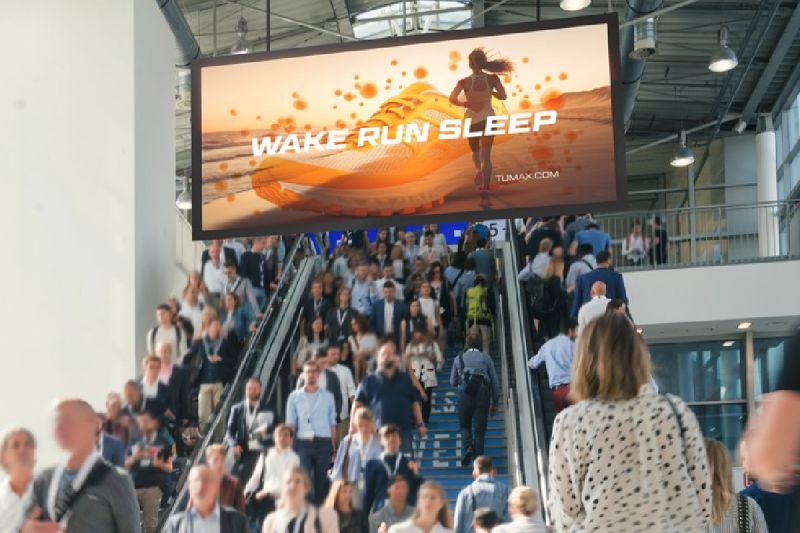
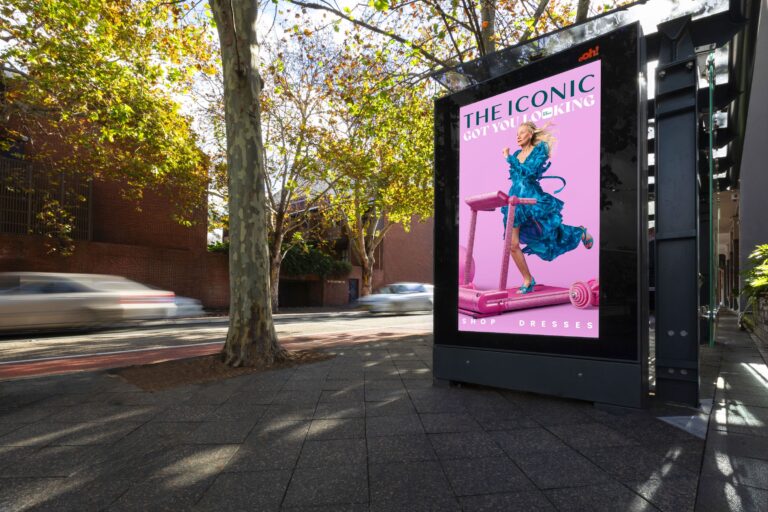
Digital DOOH screens are electronic displays that showcase dynamic content such as videos, animations, and rotating brand creatives. These screens are commonly installed at airports, metro stations, malls, corporate parks, and premium urban zones.
DOOH allows multiple advertisers to share the same screen while displaying content in time slots. As a result, brands gain flexibility and frequency without permanent installations.
Key Differences Between Static Hoardings and DOOH Screens
1. Content Flexibility
Static hoardings display one creative for the full campaign period.
DOOH screens allow instant creative changes, scheduling, and updates.
Therefore, DOOH supports time-based and event-based messaging more effectively.
2. Creative Format
Static hoardings rely on images and short copy.
DOOH screens support motion graphics, videos, and dynamic visuals.
As a result, DOOH attracts higher attention through movement and brightness.
3. Campaign Control
Static hoardings require physical printing and installation.
DOOH campaigns can be modified remotely through centralized systems.
This control enables faster optimization and campaign agility.
4. Audience Targeting

Static hoardings deliver mass exposure based on location only.
DOOH screens support contextual targeting based on time, audience flow, and environment.
Consequently, DOOH offers higher relevance.
5. Cost Structure
Static hoardings involve higher upfront production costs.
DOOH typically works on slot-based or loop-based pricing models.
Therefore, DOOH allows flexible budget entry for advertisers.
6. Measurement and Reporting
Static hoardings rely mainly on estimated traffic data.
DOOH screens provide impression estimates, play counts, and scheduling reports.
This improves accountability and advertiser confidence.
7. Sustainability Impact
Static hoardings require printing, vinyl usage, and disposal.
DOOH reduces material waste through digital delivery.
As sustainability becomes important, DOOH aligns better with eco goals.
When Should Brands Use Static Hoardings?
Static hoardings work best when brands need:
-
City domination campaigns
-
Long-term visibility
-
Highway or roadside reach
-
Constant brand presence
They are ideal for real estate, political campaigns, and large-scale brand awareness.
When Should Brands Choose DOOH Screens?
DOOH screens are effective for:
-
Product launches
-
Short-term promotions
-
Premium audience targeting
-
Airports, metros, malls, and transit hubs
-
Creative storytelling
They are especially suitable for tech, FMCG, finance, and lifestyle brands.
Static + DOOH: The Most Effective Strategy
Many successful campaigns combine both formats. Static hoardings build mass reach, while DOOH enhances engagement and frequency.
Together, they deliver comprehensive city-level impact.

Conclusion
Static hoardings and digital DOOH screens serve different advertising objectives. While static formats offer scale and permanence, DOOH provides flexibility, engagement, and measurable impact. Brands that understand these differences can design smarter outdoor strategies that balance reach with relevance.