Transit media has re-emerged as a powerful advertising channel in urban India. With daily commuters spending extended time across buses, metros, and trains, brands now view transit environments as high-frequency engagement zones. However, campaign success depends largely on creative execution. This makes understanding the most effective creative formats for transit media ads essential for marketers.
Unlike static outdoor advertising, transit media requires formats that work across motion, dwell time, and repeated exposure. Therefore, creative clarity, adaptability, and contextual relevance become critical factors.
Why Creative Format Matters in Transit Advertising
Transit audiences interact with advertising in two distinct modes—movement and waiting. While commuters may glimpse ads in motion, they also encounter them repeatedly during daily travel routines.
As a result, creatives must deliver impact within seconds while remaining memorable over time. A well-chosen format ensures visibility without overwhelming attention.
Full Vehicle Wraps for Maximum Impact
Bus and Metro Train Wraps
Full wraps transform vehicles into moving brand assets. These large-format creatives provide unmatched visibility across multiple neighbourhoods and traffic corridors.
Since commuters repeatedly see the same vehicle routes, brand recall improves significantly. Moreover, bold visuals and minimal messaging perform best in motion environments.
Best suited for:
-
Brand launches
-
Mass awareness campaigns
-
Citywide visibility drives

Side Panels and Back Panels for High Recall
Side and rear panels are among the most cost-effective transit formats. Rear panels, in particular, benefit from traffic dwell time at signals.
These formats work best with strong branding elements, product imagery, and short callouts. Simplicity remains key, as commuters often view these ads briefly.
Best suited for:
-
Product reminders
-
Promotional messaging
-
Local visibility campaigns
In-Transit Interior Advertising Formats
Inside Bus and Train Panels
Interior panels capture attention during seated or standing travel. Since commuters remain within close proximity, messaging can be slightly more detailed.
These formats allow inclusion of QR codes, app downloads, and directional messaging.
Best suited for:
-
App-based brands
-
Service communication
-
Performance marketing support
Handle Straps and Grab Handle Branding
Handle advertising places brand messages literally in commuters’ hands. This format delivers high engagement due to proximity and repeated exposure.
Although limited in space, clever copy and strong logos perform exceptionally well.
Best suited for:
-
Brand reinforcement
-
Youth-focused campaigns
-
High-frequency recall
Metro Station Branding Formats
Platform Screen Doors and Wall Panels
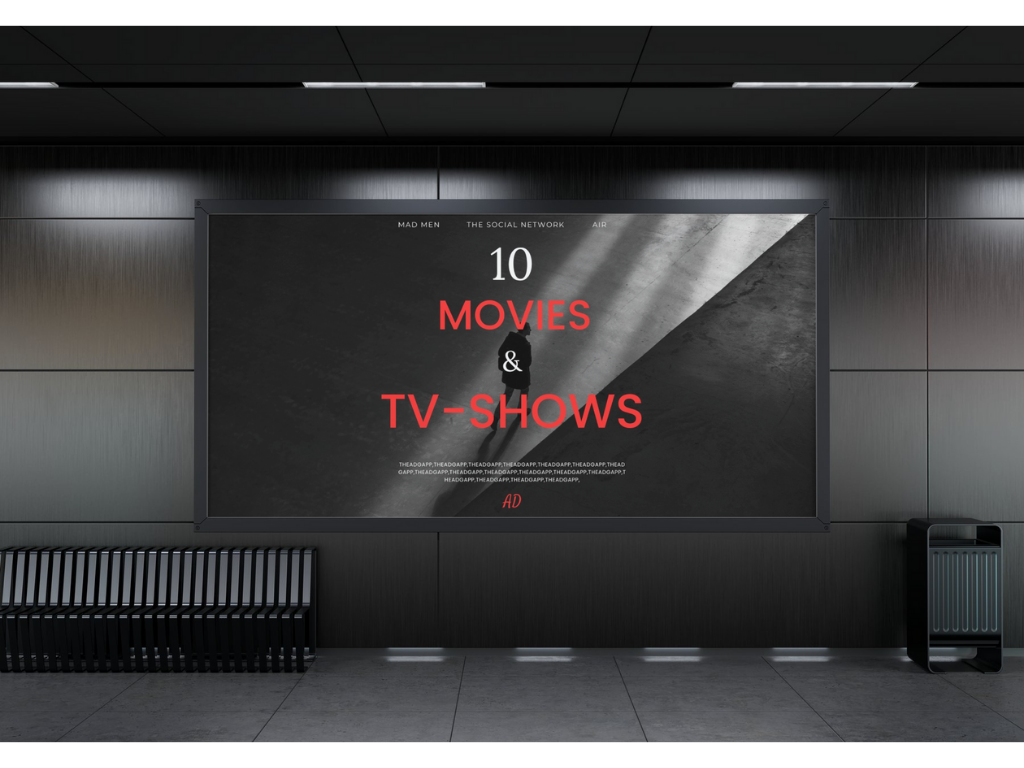
Platform environments offer long dwell time. Ads placed here benefit from repeated viewing while passengers wait for trains.
Large static creatives or sequential storytelling formats work effectively in these spaces.
Best suited for:
-
Brand storytelling
-
Premium product positioning
-
Awareness-building campaigns
Entry Gate and Staircase Branding
These high-footfall zones ensure unavoidable visibility. Creative formats here should prioritise logo dominance and visual clarity.
Such placements help brands achieve strong top-of-mind recall.
Digital DOOH Formats in Transit Spaces
Digital screens within stations and terminals allow dynamic messaging. Brands can rotate creatives based on time of day, peak hours, or commuter profiles. Polaroid “The Camera for an Analog Life” used global OOH to encourage people to disconnect from screens and embrace real photography.

Animated formats, short videos, and contextual messaging enhance attention without causing disruption.
Best suited for:
-
Time-based offers
-
Event promotions
-
Smart city campaigns
Sequential Creative Storytelling
Sequential creatives placed across multiple touchpoints allow brands to tell stories in parts.
For example, one message at station entry, another on the platform, and a final one inside the train creates narrative continuity.
This approach increases engagement and memory retention.
Creative Design Principles for Transit Media
To maximise effectiveness, transit creatives should follow key principles:
-
Use bold colours and high contrast
-
Limit copy to 6–8 words
-
Maintain strong logo visibility
-
Avoid cluttered layouts
-
Ensure readability from distance
These principles ensure clarity across moving and static environments.
Choosing the Right Format Based on Campaign Objective
| Objective | Recommended Format |
|---|---|
| Brand awareness | Full wraps, station domination |
| Product promotion | Side panels, back panels |
| App installs | Interior panels, handle branding |
| Premium positioning | Metro stations, DOOH |
| Engagement | Sequential storytelling |
Strategic alignment between format and objective determines campaign success.
Conclusion
Transit media offers one of the most consistent and high-frequency advertising environments. However, impact depends on selecting the most effective creative formats for transit media ads.
By combining strong visual design with context-appropriate formats, brands can convert everyday commute journeys into powerful brand touchpoints. When executed strategically, transit advertising delivers both scale and sustained recall.