Launching a new product in India requires visibility at scale and speed. With diverse consumer markets, dense urban traffic, and high competition, brands must ensure strong first impressions. This makes outdoor advertising for a new product launch in India one of the most effective channels for rapid awareness and recall.
When executed strategically, OOH advertising builds launch momentum, reinforces credibility, and supports multi-channel campaigns. However, success depends on structured planning rather than last-minute execution.
Why Outdoor Advertising Is Critical for Product Launches
Outdoor advertising offers unmatched reach in physical environments where consumers live, travel, and work. Unlike digital ads that can be skipped, OOH delivers unavoidable visibility.

For new products, this visibility establishes legitimacy and market presence from day one. Moreover, repeated exposure across daily commute routes accelerates familiarity and trust.
Step 1: Define Clear Launch Objectives
Before selecting locations or formats, marketers must identify campaign goals.
Common launch objectives include:
-
Building mass awareness
-
Creating curiosity before launch
-
Driving store visits or app installs
-
Supporting influencer or digital campaigns
-
Establishing category presence
Clear objectives determine format choice, budget allocation, and messaging strategy.
Step 2: Choose the Right Cities and Markets
India is not a single homogeneous market. Therefore, launch planning must prioritise cities based on:
-
Target audience concentration
-
Distribution availability
-
Retail or service presence
-
Regional relevance
Metro cities often lead awareness, while Tier-2 cities help expand reach. A phased city-wise rollout ensures controlled spending and consistent momentum.
Step 3: Select High-Impact OOH Formats
Different formats serve different launch stages.
Billboards and Hoardings
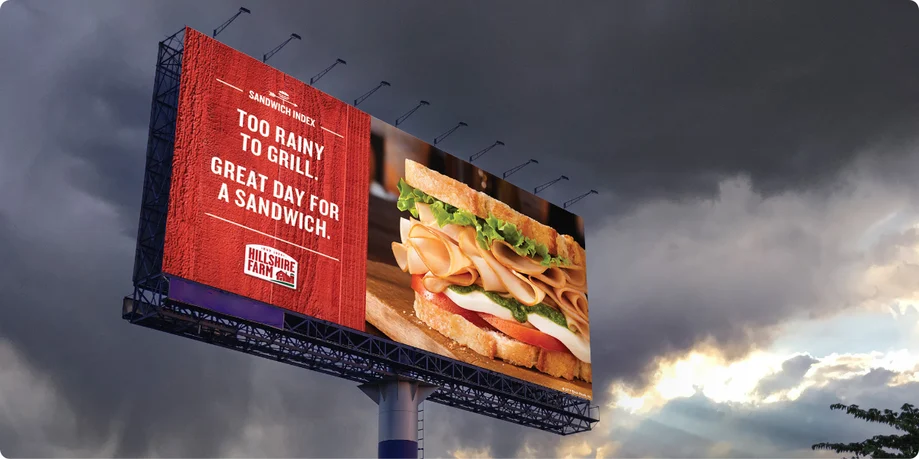
Large-format hoardings create instant scale and authority. They work best near arterial roads, business districts, and high-traffic junctions.
Transit Media
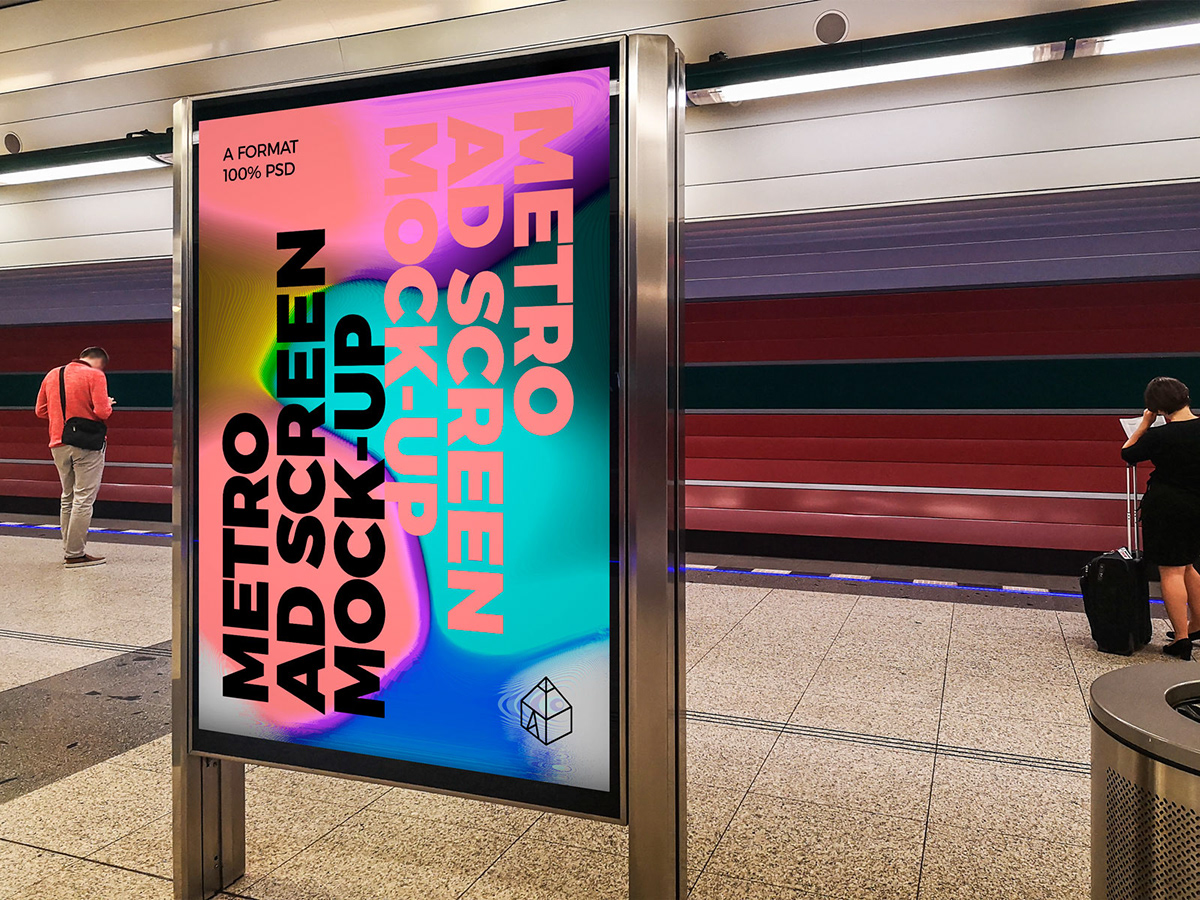
Bus branding, metro advertising, and station domination provide high-frequency exposure during daily commutes.
Digital OOH Screens
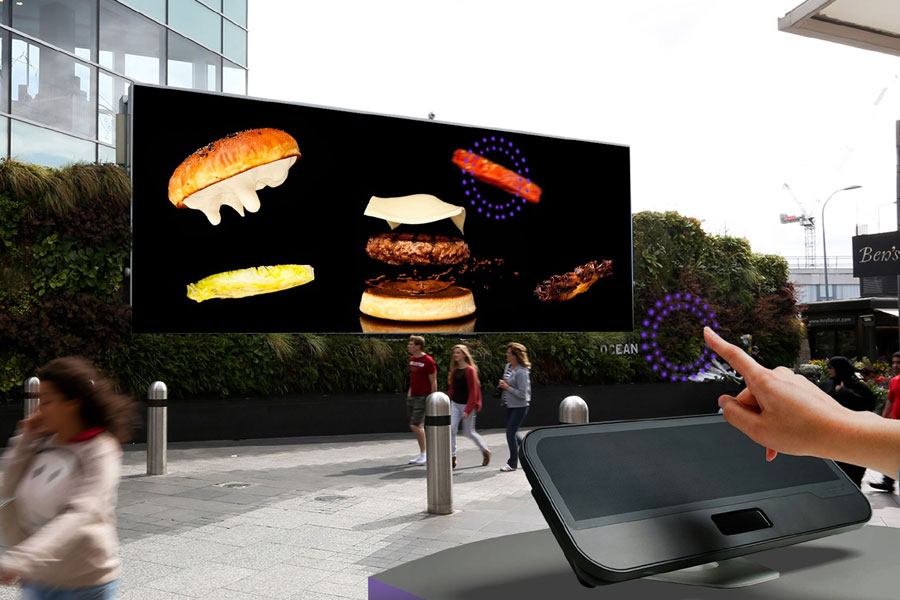
DOOH enables dynamic messaging, countdown creatives, and time-based communication—ideal for launch teasers and announcements.

Combining formats strengthens reach and repetition.
Step 4: Plan Launch Phases Strategically
Successful launches typically follow a phased approach.
Pre-Launch Phase
Use teaser creatives to spark curiosity. Minimal copy, bold visuals, and countdown messaging work effectively.
Launch Phase
Reveal the product with strong branding, key benefit messaging, and clear identification.
Sustenance Phase
Reinforce recall with simplified creatives and call-to-action support.
Phasing helps maintain excitement while avoiding creative fatigue.
Step 5: Prioritise Location Over Quantity
In OOH, quality beats quantity.
High-visibility locations near malls, metro stations, offices, and residential hubs deliver stronger impact than scattered low-traffic sites.
Strategic clustering within key micro-markets improves message dominance and recall.
Step 6: Design Creatives for Outdoor Visibility
Outdoor creatives must communicate within seconds.
Best practices include:
-
Bold colours and high contrast
-
Large product visuals
-
Minimal copy (6–8 words)
-
Clear brand logo placement
-
Simple value proposition
Complex messaging reduces effectiveness in moving traffic environments.
Step 7: Align Outdoor with Digital and PR Campaigns
Outdoor advertising works best when integrated with digital marketing.
OOH builds awareness, while digital channels drive engagement and conversion. Coordinated messaging across platforms strengthens consumer journeys.
QR codes, hashtags, and geo-targeted digital ads help bridge offline and online experiences.
Step 8: Plan Timelines and Lead Times Early
OOH requires advance booking and approvals.
Marketers should plan:
-
20–30 days lead time for premium billboards
-
15–25 days for transit media
-
Additional buffer during festive or election periods
Early planning ensures availability and smooth execution.
Step 9: Ensure Regulatory and Creative Compliance
Each Indian city follows different outdoor advertising rules.
Marketers must audit:
-
Municipal bylaws
-
Transit authority guidelines
-
Content restrictions
-
Illumination norms for DOOH
Compliance prevents delays and forced takedowns.
Step 10: Measure Impact and Optimise
While OOH does not deliver clicks, its impact is measurable through:
-
Brand search lift
-
Store footfall increase
-
Website traffic spikes
-
App install uplift

Tracking these indicators helps refine future campaigns.
Common Mistakes to Avoid During Product Launches
-
Overcrowded creatives
-
Late booking of premium locations
-
Poor city-level planning
-
Ignoring regulatory approvals
-
Disconnect between outdoor and digital messaging
Avoiding these errors ensures stronger launch performance.
Conclusion
Planning outdoor advertising for a new product launch in India requires strategic clarity, timely execution, and location-led thinking.
When marketers align objectives, formats, creatives, and timelines effectively, OOH becomes a powerful launch accelerator—building awareness, credibility, and recall at scale.
In India’s competitive marketplace, a well-planned outdoor launch can define how fast a product gains recognition and acceptance.