Launching your first outdoor advertising campaign is an important milestone for any brand. However, with multiple format options available, marketers often struggle to decide where to begin. Understanding how to choose between billboards, transit media, and street furniture for your first OOH campaign is critical to avoid overspending and ensure meaningful visibility.
Each format serves a different purpose, and the right choice depends on objectives, audience movement, and budget.
Why Format Selection Matters in Your First OOH Campaign
Unlike digital ads, outdoor media cannot be edited or paused instantly. Once live, creative quality and placement determine impact. Therefore, choosing the right format at the start helps brands:
-
Build early credibility
-
Achieve faster recall
-
Reduce media wastage
-
Learn from real-world exposure
A focused format strategy is more effective than trying everything at once.
Understanding the Three Primary OOH Formats
Before choosing, it is essential to understand what each format delivers.
Billboards: Maximum Visibility and Brand Authority
What Billboards Do Best
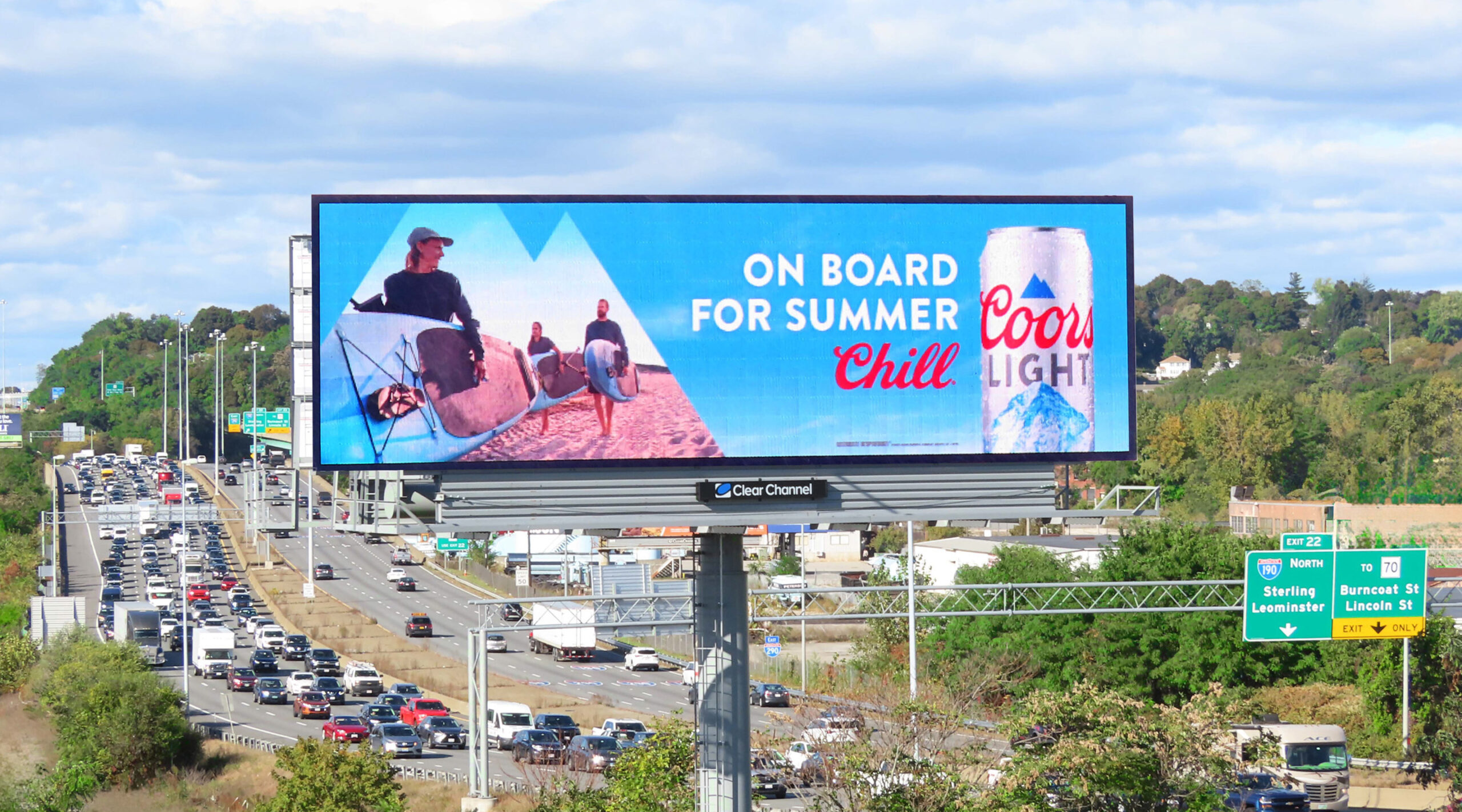
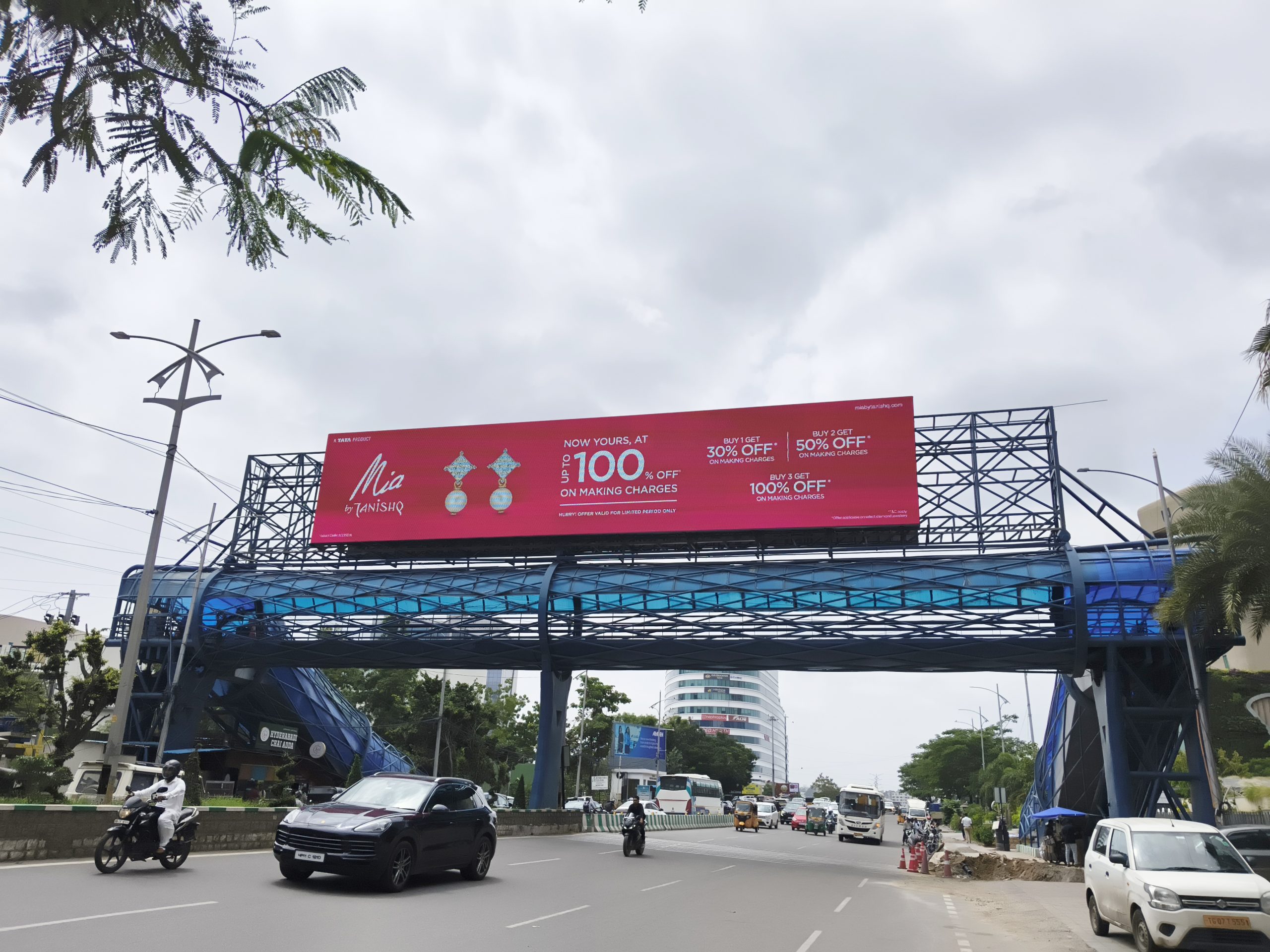
Billboards offer large-format visibility and strong visual dominance. They are ideal for establishing presence and signaling brand scale.
Key strengths include:
-
High reach
-
Strong brand perception
-
Long-distance visibility
-
Ideal for highways and arterial roads
When Billboards Work Best
-
Brand awareness campaigns
-
Product or company launches
-
City-entry visibility
-
Premium brand positioning
Limitations
-
Higher cost
-
Limited copy space
-
Lower engagement compared to close-range formats
Best suited when credibility and impact matter most.
Transit Media: High Frequency and Daily Exposure
What Transit Media Does Best
Transit media includes bus branding, metro advertising, and train media. It excels at repeated exposure during daily commutes.
Key strengths include:
-
High frequency
-
Strong recall through repetition
-
Wide city coverage
-
Cost-effective scaling
When Transit Media Works Best
-
New brands seeking familiarity
-
Mass-market products
-
App and service awareness
-
Citywide presence
Limitations
-
Complex approvals
-
Creative restrictions
-
Longer lead times
Transit media is ideal for brands building recognition over time.
Street Furniture: Local Relevance and Proximity
What Street Furniture Does Best
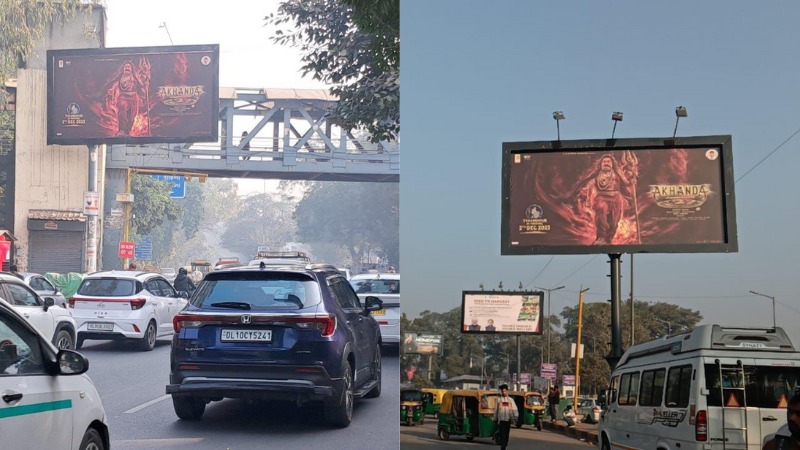
Street furniture includes bus shelters, kiosks, pole panels, and public utility displays. These formats operate close to pedestrians.
Key strengths include:
-
High dwell time
-
Local targeting
-
Cost efficiency
-
Clear call-to-action visibility
When Street Furniture Works Best
-
Local businesses
-
Retail and food brands
-
Service providers
-
Store-driven campaigns
Limitations
-
Smaller creative size
-
Limited long-distance visibility
Street furniture performs best for neighbourhood-level influence.
Choosing the Right Format Based on Campaign Objective
| Objective | Recommended Format |
|---|---|
| Brand launch | Billboards |
| Citywide awareness | Transit media |
| Local footfall | Street furniture |
| Budget-controlled start | Street furniture |
| High recall | Transit + street furniture |
Objective clarity simplifies decision-making.
Consider Your Target Audience Movement
Ask where your audience spends time:
-
Commuters → Transit media
-
Motorists → Billboards
-
Pedestrians → Street furniture
Matching format to audience movement improves exposure quality.
Budget Considerations for First-Time Advertisers
For first campaigns, controlled spending is critical.
-
Billboards require higher upfront budgets
-
Transit offers scalable mid-range investment
-
Street furniture allows testing at lower cost
Many first-time advertisers begin with street furniture or limited transit formats before expanding.

Start Small, Then Scale
Instead of launching across all formats simultaneously:
-
Begin with one format
-
Measure recall and response
-
Optimise creative
-
Expand gradually
This approach reduces risk and improves learning.
Creative Simplicity Is Essential
First-time OOH creatives should focus on:
-
One clear message
-
Strong brand visibility
-
High contrast colours
-
Simple call-to-action
Complex messaging reduces effectiveness.
Combine Formats Only When Necessary
While multi-format campaigns are powerful, they are not mandatory initially.
For first-time campaigns:
-
One well-executed format outperforms three poorly executed ones
-
Consistency matters more than coverage
Integration should follow learning, not precede it.
Common Mistakes First-Time Brands Should Avoid
-
Choosing formats based only on cost
-
Overloading creatives with information
-
Spreading budget too thin
-
Ignoring location quality
-
Expecting instant sales
OOH builds memory before conversion.
Recommended Starting Framework
For most first-time brands:
-
Local brands: Street furniture → Transit → Billboards
-
Growing brands: Transit → Select billboards
-
Premium brands: Landmark billboards → Support formats
This progression balances risk and reward.
Conclusion
Choosing between billboards, transit media, and street furniture is not about which format is best—it is about which format is best for your first objective.
By aligning format selection with audience movement, budget, and campaign goals, brands can ensure their first OOH campaign builds strong visibility, credibility, and recall—laying the foundation for future scale.