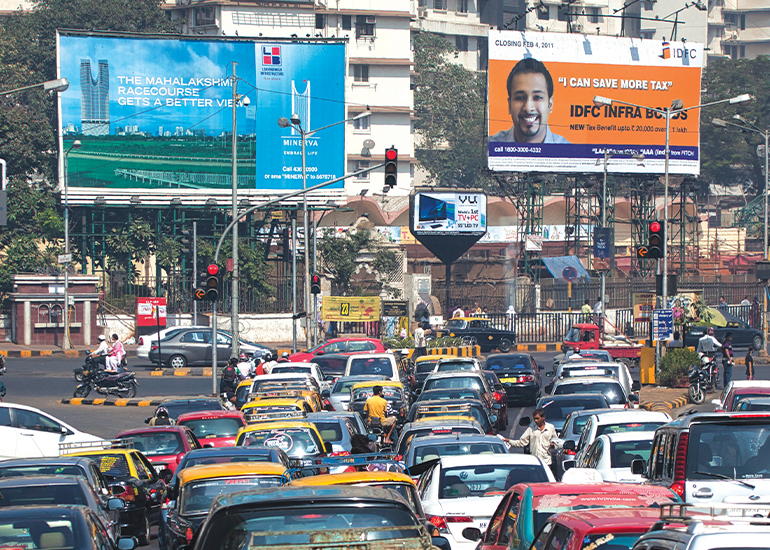
When brands plan outdoor advertising, one of the first things they look at is numbers how many people pass through a location every day.
But those numbers aren’t just statistics. They’re what we call footfall data, and they quietly shape almost every smart OOH campaign.
If used properly, footfall data can help you avoid guesswork and make better decisions about where your ad should be placed and why.
It’s Not Just About “More People”
At first glance, it feels obvious the more people, the better the location.
But in reality, it’s a bit more nuanced.
A location might have heavy traffic, but if people are just passing quickly without noticing anything, the impact is limited. On the other hand, a place with slightly lower footfall but slower movement can actually perform better.
So footfall data is not just about volume it’s about how people move and behave, which is a key part of choosing the right outdoor advertising location.
Understanding Where Your Audience Actually Is
One of the biggest advantages of footfall data is that it helps you align your campaign with your audience.
Different places attract different types of people:
-
Malls → shoppers with spending intent
-
Office areas → working professionals
-
Markets → daily buyers
-
Metro stations → regular commuters
By studying footfall patterns, you can figure out:
-
Who is coming to that location
-
At what time they are coming
-
How often they pass through
This makes your campaign more targeted, even in an offline environment.

Timing Matters More Than You Think
Footfall is not constant throughout the day.
A location that looks average in the morning can become extremely crowded in the evening. Similarly, weekends can look completely different from weekdays.
Good planning takes this into account.
For example:
-
Office areas peak during morning and evening hours
-
Malls see higher footfall on weekends
-
Markets are busiest during evening shopping hours
When you understand these patterns, you can choose locations that match your campaign timing.
Choosing the Right Spots Inside a Location
Footfall data doesn’t just help you pick a city or area it helps you decide exact placements.
Take a mall, for example.
The entire mall may have high footfall, but:
-
The atrium gets maximum attention
-
Food courts have longer dwell time
-
Entry gates capture first impressions
Similarly, on roads:
-
Traffic signals have higher engagement
-
Fast highways have lower attention
So instead of just selecting a general location, footfall data helps you choose the most effective spot within it.

Improving Visibility Without Increasing Budget
One of the biggest benefits of using footfall data is efficiency.
Instead of spending more money on random locations, you can:
-
Focus on fewer but high-performing sites
-
Avoid low-impact areas
-
Maximize exposure within your budget
It’s not about spending more—it’s about spending smarter.
Understanding Movement Patterns
Footfall data also tells you how people move.
Do they pass the location daily?
Do they stay there for a few minutes?
Is it a one-time visit or a repeated route?
These insights matter because OOH Advertising works best with repetition.
If your ad is placed on a route people use regularly, they will see it multiple times and that builds recall naturally.
Reducing Risk in Campaign Planning
Without data, outdoor advertising becomes guesswork.
You might choose a location that looks busy but doesn’t deliver results. This leads to wasted budget and poor performance.
Footfall data reduces that risk.
It gives you confidence that:
-
The location has enough visibility
-
The audience matches your target
-
The placement has real potential
And that makes planning more reliable.
Combining Footfall with Other Factors
While footfall is important, it works best when combined with other elements like:
-
Visibility of the site
-
Creative quality
-
Campaign duration
-
Surrounding competition
A high-footfall location with poor visibility may still underperform. So the goal is to balance data with practical observation.
What Smart Brands Do Differently
Brands that consistently get good results from OOH don’t rely on assumptions.
They:
-
Study footfall trends before selecting locations
-
Focus on audience relevance, not just numbers
-
Choose spots where people actually notice ads
-
Combine multiple high-footfall locations for better reach
This approach helps them improve performance over time.
Final Thoughts
Footfall data might seem like just numbers on paper, but in reality, it tells a story where people are, how they move, and what they are likely to notice.
When you start using that information properly, outdoor advertising becomes much more predictable and effective.
Instead of guessing where your ad might work, you start placing it where it actually has a reason to work.
And that’s where better ROI begins.