Budgeting for Out-of-Home (OOH) advertising is a bit like packing for a trip across India: if you try to prepare for every possible scenario, you’ll run out of space (and money) before you even leave the house.
The biggest mistake brands make is thinking they need to be “everywhere.” In reality, a smart budget isn’t about being seen by everyone; it’s about being seen by the right people at the right frequency.
If you’re trying to figure out where to put your money whether it’s high-impact billboards or humble transit posters here is a realistic guide on how to allocate your outdoor advertising budget.
1. The “60-30-10” Rule of Thumb
While every campaign is different, a solid starting point for a balanced OOH budget usually looks like this:
-
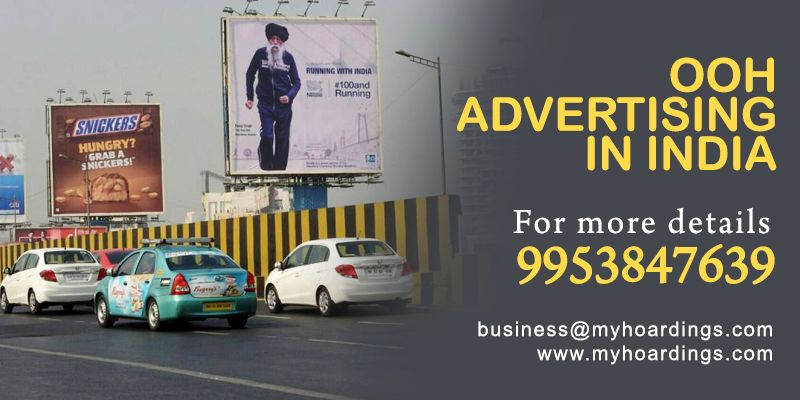
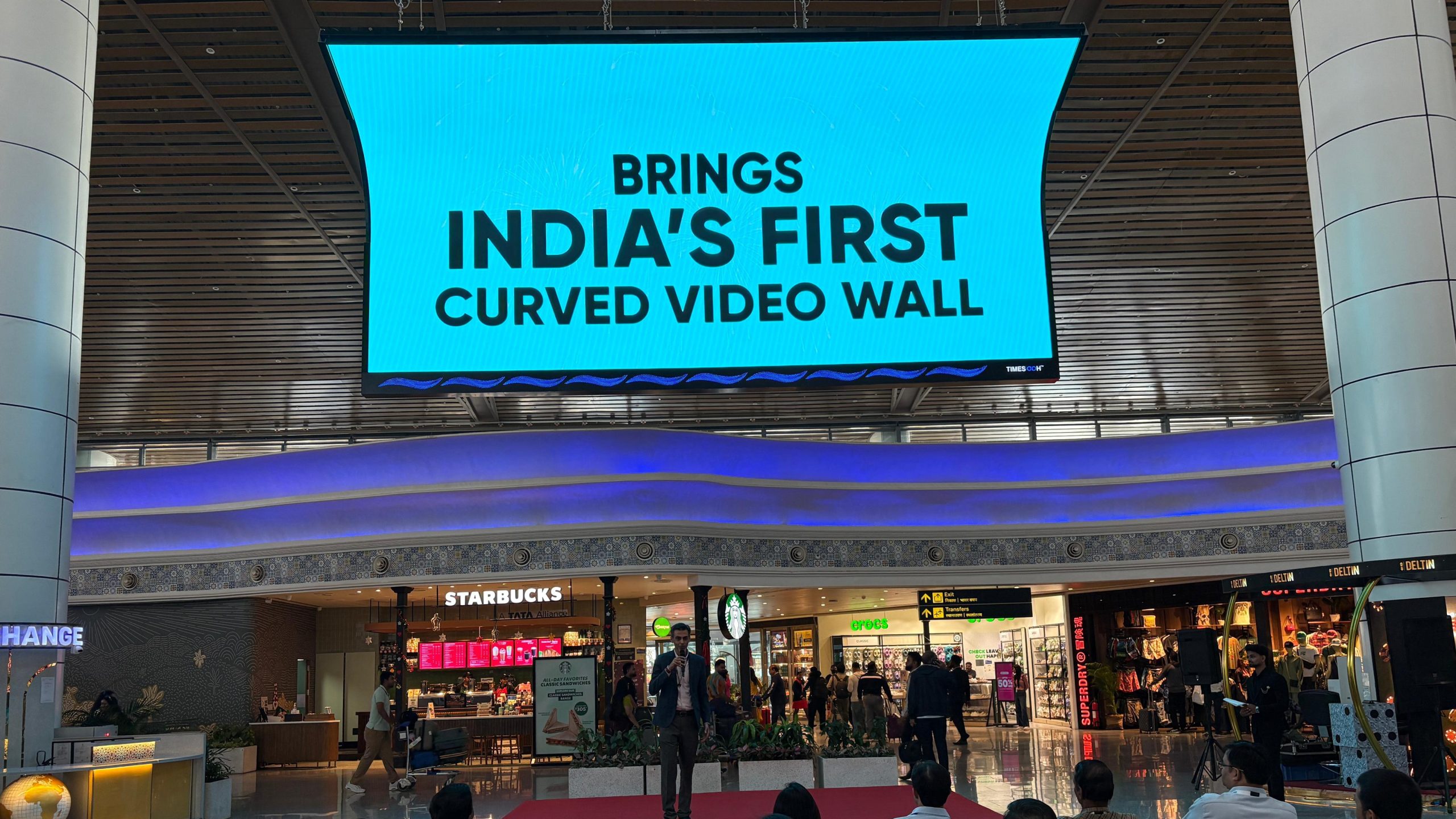
60% on “Anchor” Formats (The Big Stuff): These are your large-format billboards or digital screens in high-traffic hubs. This is where you build brand authority. It’s the “hero” of your campaign.
-
30% on “Frequency” Formats (The Reminders): These are smaller, street-level ads like bus shelters, metro pillars, or kiosks. You use these to hit people multiple times during their daily commute.
-
10% on “Experimental” or High-Impact: Think 3D anamorphic displays, drone shows, or “guerrilla” ambient stunts. This is the stuff that gets people to take out their phones and share your ad on social media.
2. Matching Format to Your Goal
Don’t just buy what looks cool; buy what fits your objective.
-
If you want Brand Awareness: Put your money into Billboards and Unipoles. You want size and scale. You want people to think, “Wow, this brand is huge.”
-
If you want Foot Traffic (Retail/F&B): Allocate heavily toward Hyperlocal Transit and Directional signage. If you own a restaurant, a billboard 5 miles away is useless. A digital kiosk 200 meters away telling people to “Turn Right for the Best Biryani” is gold.
-
If you want Tech-Savvy Engagement: Invest in Digital Out-of-Home (DOOH). This allows you to use QR codes and dynamic content. It’s perfect for apps, fintech, or e-commerce brands.
3. Consider the “Cost Per Mille” (CPM)
In the digital world, we talk about CPM (cost per thousand impressions). You should apply the same logic to outdoor formats.
A billboard on a major city flyover might cost $5,000 a month, while an ad inside a metro train might cost $1,000. If the flyover gets 1 million views and the metro gets 200,000, the “cost per view” might actually be the same.
Pro Tip: Don’t just look at the price tag; look at the clutter. A cheaper format in a quiet area where you are the only ad is often better than a premium format surrounded by ten other brands.

4. Duration vs. Domination
One of the toughest budget decisions is: Do I stay up for a long time in one spot, or do I take over the whole city for one week?
-
The “Slow Burn” (Long Duration): Better for services people need eventually (insurance, hospitals, real estate). You want to be there when they finally decide to look.
-
The “Burst” (High Intensity): Better for movie launches, sales, or new product drops. You want to create the illusion that your brand is “everywhere” for 7 to 10 days.
5. Factor in Production and Tech Costs
Newcomers often forget that the “media rent” isn’t the only cost.
-
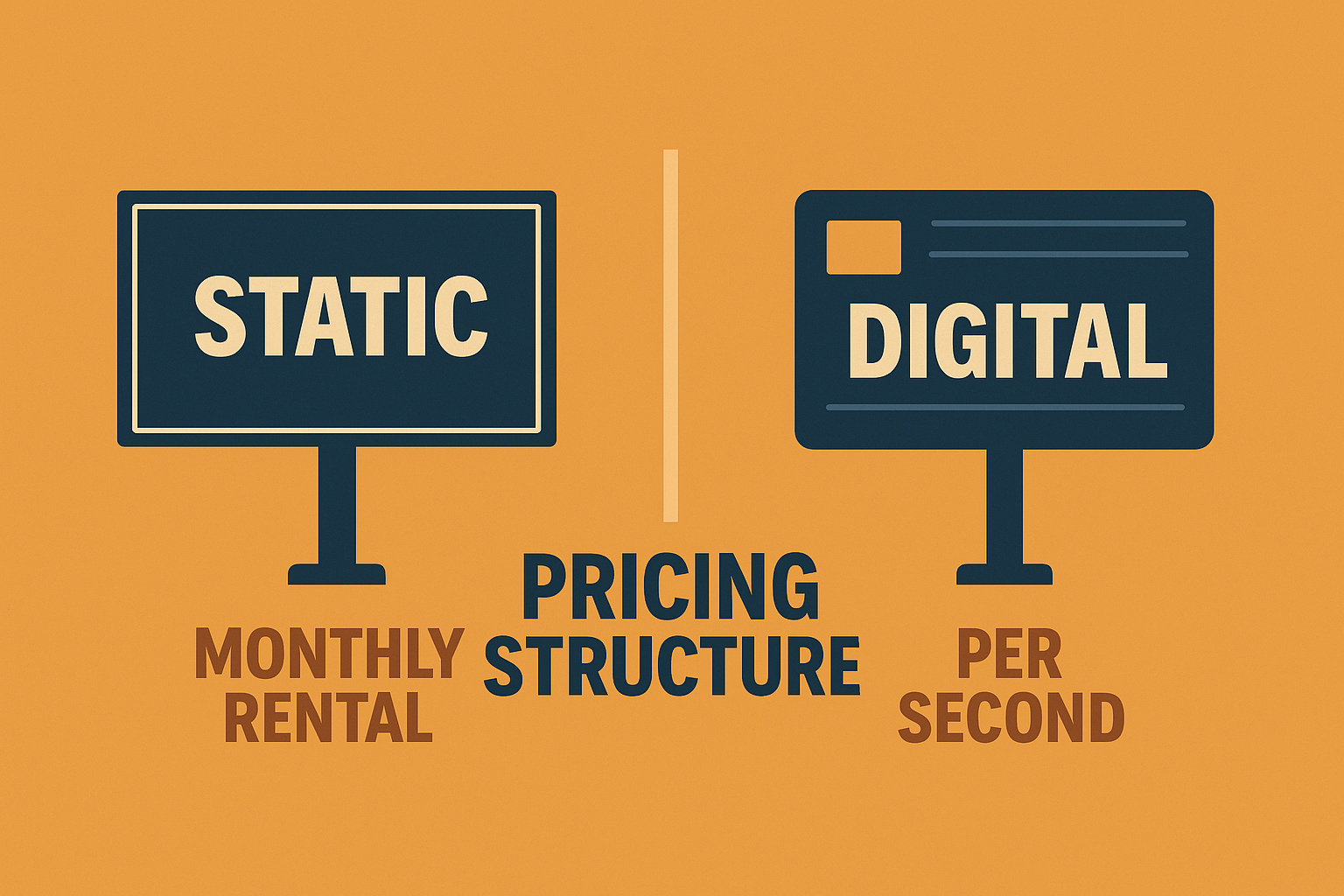
Static: You have to pay for printing (vinyl/flex) and mounting.
-
Digital: No printing costs, but you might need a higher budget for a motion graphic designer to make an ad that actually looks good on a high-res LED screen.
-
Innovation: If you want a 3D effect or a “special build” (like a physical object attached to a billboard), keep at least 15-20% of your budget aside for fabrication.
Conclusion
Budgeting for OOH is about synergy. A single billboard is a lonely island. But a billboard supported by five bus shelters on the route leading to that billboard? That’s a campaign.
Start with your “must-have” location, then use the remaining 40% of your budget to “surround” your audience as they move through their day.