Event sponsorships are powerful, but they are also expensive, restrictive, and often cluttered with competing brand logos. As sponsorship costs rise across sports, business summits, festivals, and exhibitions, many brands are rethinking their approach. Today, advertising inside events without being a sponsor has become a smart, strategic alternative for brands seeking visibility, relevance, and ROI without paying premium sponsorship fees.
Rather than buying the title or associate tag, savvy marketers use media loopholes—legal, ethical, and execution-driven—to reach the same audience inside the event ecosystem. These strategies focus on proximity, utility, and experience rather than logo dominance.
Why Brands Are Moving Beyond Traditional Event Sponsorship
Official sponsorships often come with limitations. Brands pay heavily for logo presence but have limited control over engagement, creativity, or direct consumer interaction.
Key challenges with sponsorships include:
-
High entry costs
-
Category exclusivity restrictions
-
Limited flexibility in messaging
-
Clutter from multiple sponsors
As a result, brands are exploring non-sponsor advertising routes that deliver attention, frequency, and contextual relevance without the sponsorship label.
Loophole 1: Transit Media Around Event Venues
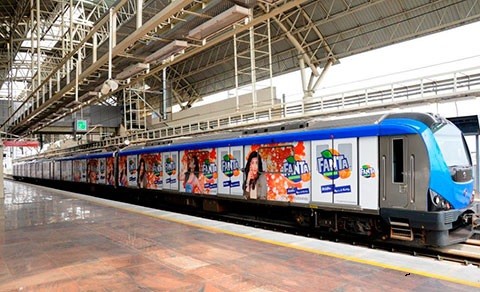
One of the most effective ways of advertising inside events without being a sponsor is owning the commute.
Brands leverage:
-
Metro stations near the venue
-
Shuttle buses and feeder routes
-
Cabs, autos, and e-rickshaws
-
Airport and railway station panels
Since attendees must travel to and from the event, transit media delivers unavoidable exposure. Moreover, this visibility often lasts longer than on-ground sponsor branding inside crowded venues.

Loophole 2: Advertising in Nearby High-Footfall Zones
Events rarely exist in isolation. They activate entire micro-markets around the venue.
Smart brands place media in:
-
Malls and food courts near venues
-
Hotels hosting delegates or performers
-
Business parks, convention corridors, and promenades
-
Parking areas and approach roads
This strategy allows brands to “own the zone” without violating sponsorship rights. As a result, the audience mentally associates the brand with the event experience.
Loophole 3: Utility-Based Brand Integrations
Utility beats logos when sponsorship is absent. Brands embed themselves into what attendees actually use.
Popular non-sponsor integrations include:
-
Free Wi-Fi zones branded by the advertiser
-
Charging stations and power banks
-
Drinking water booths and hydration points
-
Cloakroom tokens, wristbands, or lanyards (via vendors)
Because these are functional touchpoints, they generate gratitude and recall—often stronger than passive sponsorship branding.
Loophole 4: Vendor, Partner, and Ecosystem Advertising
Large events rely on dozens of vendors—logistics, food, tech, printing, staffing, and transport. Brands often collaborate with these partners for indirect visibility.
Examples include:
-
Branding on food packaging or delivery trays
-
Co-branded uniforms of event staff (where allowed)
-
Messaging on event collateral handled by third-party vendors
-
Digital screens managed by venue partners
These placements are subtle, legal, and often overlooked by sponsorship clauses.
Loophole 5: Influencer and Attendee-Led Visibility
If you cannot brand the stage, brand the story.
Brands collaborate with:
-
Influencers attending the event
-
Speakers, performers, or athletes (outside sponsorship scope)
-
Startup founders, delegates, or creators
Through outfits, accessories, product usage, or content shoutouts, brands gain organic exposure across social media. This form of advertising inside events without being a sponsor often delivers higher engagement than official sponsor posts.
Loophole 6: Hyperlocal Digital and Geo-Fenced Campaigns
Digital loopholes are among the most powerful.
Brands deploy:
-
Geo-fenced mobile ads around venues
-
Location-triggered offers and notifications
-
Event-day search and social ads targeting attendees

These campaigns activate when audiences are physically present at the event. As a result, brands achieve contextual relevance without any on-ground sponsorship rights.
Loophole 7: Sampling and Experience Outside the Venue
If branding inside the venue is restricted, brands activate just outside it.
Common tactics include:
-
Sampling kiosks near entry and exit gates
-
Pop-up experiences at nearby cafés or plazas
-
Brand-led after-parties or networking meetups
Since attendees are already primed by the event, engagement levels are high. This makes off-venue activations extremely effective.
Why These Loopholes Often Outperform Sponsorships
Interestingly, advertising inside events without being a sponsor can outperform official sponsorships on several parameters:
-
Higher engagement per impression
-
More creative freedom
-
Better cost efficiency
-
Stronger recall through utility or experience
Instead of competing for logo space, brands compete for attention and relevance, which is where modern media effectiveness truly lies.
Risks and Boundaries Brands Must Respect
While these strategies are smart, brands must remain cautious.
Best practices include:
-
Avoiding trademark misuse
-
Respecting venue and municipal regulations
-
Ensuring vendor and influencer disclosures
-
Maintaining cultural and contextual sensitivity
Smart loopholes are strategic—not aggressive or deceptive.
Conclusion: Visibility Is About Strategy, Not Sponsorship Badges
In conclusion, advertising inside events without being a sponsor is no longer a hack—it is a deliberate media strategy. As sponsorships become costlier and more cluttered, brands that think laterally gain disproportionate visibility.
By leveraging transit media, utilities, influencer storytelling, geo-targeted digital ads, and ecosystem partnerships, brands can tap into event audiences legally, creatively, and efficiently. In today’s media landscape, smart presence matters more than official titles—and the smartest brands already know it.