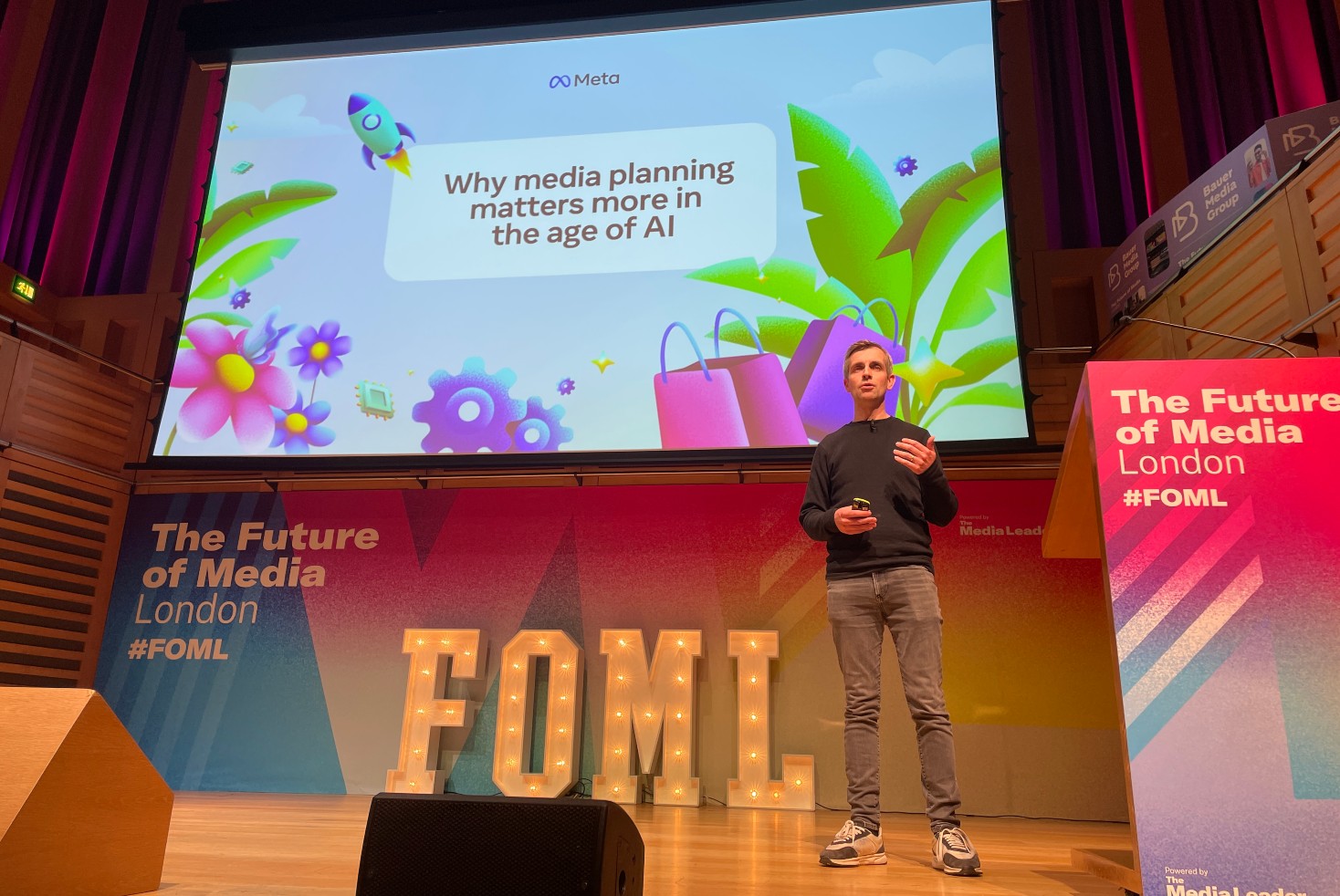
Artificial Intelligence is no longer a futuristic buzzword in advertising. While flashy headlines focus on AI-generated creatives and chatbots, a more profound transformation is happening quietly in the background. Today, AI is changing media planning decisions behind the scenes, influencing how budgets are allocated, audiences are defined, and campaigns are optimised—often without marketers even realising it.
In 2026-era media ecosystems, AI does not replace planners. Instead, it reshapes their decisions subtly, continuously, and at scale. This behind-the-scenes influence is redefining what “good media planning” actually means.
AI’s Role Has Shifted from Execution to Decision Support
Initially, AI in media was used mainly for automation—bidding, pacing, and delivery. Now, its role has evolved. AI increasingly supports decision-making, not just execution.
Behind the scenes, AI tools analyse:
-
Historical campaign performance
-
Cross-platform audience behaviour
-
Time-of-day and context signals
-
Cost-efficiency vs outcome patterns
As a result, planners receive recommendations that shape channel selection, budget splits, and timing—even before a plan is finalised. Media planning decisions are no longer based purely on experience or instinct.

Audience Planning Is Being Rewritten by AI Models
One of the biggest changes driven by AI is how audiences are defined. Traditional demographic planning is giving way to behaviour-and intent-led clustering.
AI quietly builds micro-segments by analysing:
-
Content consumption patterns
-
Platform usage habits
-
Purchase signals and affinities
-
Engagement depth, not just clicks
Therefore, AI is changing media planning decisions behind the scenes by deciding who is most valuable to reach, often beyond what manual planning could uncover. Planners now validate AI-led audiences rather than building them from scratch.
Budget Allocation Is Increasingly Algorithm-Led
Budget planning used to be a negotiation between reach, cost, and gut feel. Today, AI models simulate thousands of scenarios before a rupee is spent.
Behind the scenes, AI evaluates:
-
Marginal ROI across platforms
-
Diminishing returns on frequency
-
Performance volatility by channel
-
Optimal budget thresholds
Consequently, budget allocation decisions are influenced by predictive models rather than static benchmarks. Even when planners “choose” a split, AI has already narrowed the options.

Channel Selection Is Becoming Dynamic, Not Fixed
Earlier media plans locked channels months in advance. AI has changed that quietly.
Modern planning tools continuously assess:
-
Platform performance trends
-
Audience migration between channels
-
Cost fluctuations in real time
-
Content adjacency effectiveness
As a result, AI is changing media planning decisions behind the scenes by enabling fluid channel strategies. Plans are no longer rigid documents; they are adaptive frameworks guided by live signals.
Forecasting and Scenario Planning Are AI-Driven
Forecasting used to rely on past averages. AI now models future probabilities.
AI-powered forecasting helps planners:
-
Predict reach decay and saturation
-
Estimate incremental reach across platforms
-
Anticipate cost inflation during peak periods
-
Simulate “what-if” media scenarios
This allows planners to make more confident decisions under uncertainty. Importantly, these insights operate quietly within planning dashboards, shaping outcomes without dramatic visibility.
Creative and Media Decisions Are Becoming Interlinked
AI is also blurring the line between creative and media planning. Certain formats, lengths, and messages perform better in specific contexts.
Behind the scenes, AI connects:
-
Creative attributes with performance data
-
Platform-specific attention patterns
-
Format fatigue and rotation needs
Thus, media plans now influence creative decisions earlier in the process. This silent integration improves effectiveness while reducing friction between teams.
What AI Still Cannot Replace
Despite its growing influence, AI has clear limits. It cannot:
-
Understand brand nuance deeply
-
Anticipate cultural backlash intuitively
-
Make ethical or reputational judgments
-
Define long-term brand meaning
Therefore, human planners remain essential. The difference is that planners now curate, question, and refine AI-led recommendations instead of manually building everything.
The Risk of Blind Trust in AI
Because AI operates quietly, it can also go unquestioned. Over-reliance creates risks such as:
-
Over-optimisation toward short-term metrics
-
Homogenised media strategies
-
Ignoring emerging cultural shifts
-
Loss of strategic differentiation
Smart teams treat AI as a decision partner, not a decision-maker.

What Media Planners Must Do Differently
As AI reshapes planning behind the scenes, planners must evolve their skills:
-
Ask better questions of data
-
Understand AI limitations
-
Focus on strategy, not spreadsheets
-
Balance automation with intuition
In this new environment, judgment becomes more valuable—not less.
Conclusion: AI Is the Silent Co-Planner of Modern Media
In conclusion, AI is quietly changing media planning decisions behind the scenes by influencing audience selection, budget allocation, channel mix, forecasting, and optimisation. The transformation is subtle, continuous, and deeply embedded in tools and platforms.
The most successful brands and agencies will not be those who “use AI the most,” but those who understand how AI shapes decisions—and where human insight must take over. In modern media planning, AI may be invisible, but its impact is undeniable.