In What Ways Does Anamorphic Advertising Differ from Traditional LED or Digital Outdoor Screens in Terms of Impact and Creativity?
As cities glow brighter with digital billboards and LED screens, one technology is standing out — anamorphic advertising. Unlike traditional 2D digital displays, anamorphic billboards use 3D illusion-based content that tricks the human eye into perceiving depth, movement, and realism. The result is not just an ad — it’s a moment that feels alive, immersive, and unforgettable.
Let’s explore how anamorphic outdoor advertising differs from conventional LED displays in terms of impact, creativity, and audience engagement.
1. From Display to Experience
Traditional digital billboards show an ad; anamorphic screens perform it.
- Traditional LED ads deliver flat, two-dimensional visuals — effective for conveying messages or brand promotions but limited in emotional engagement.
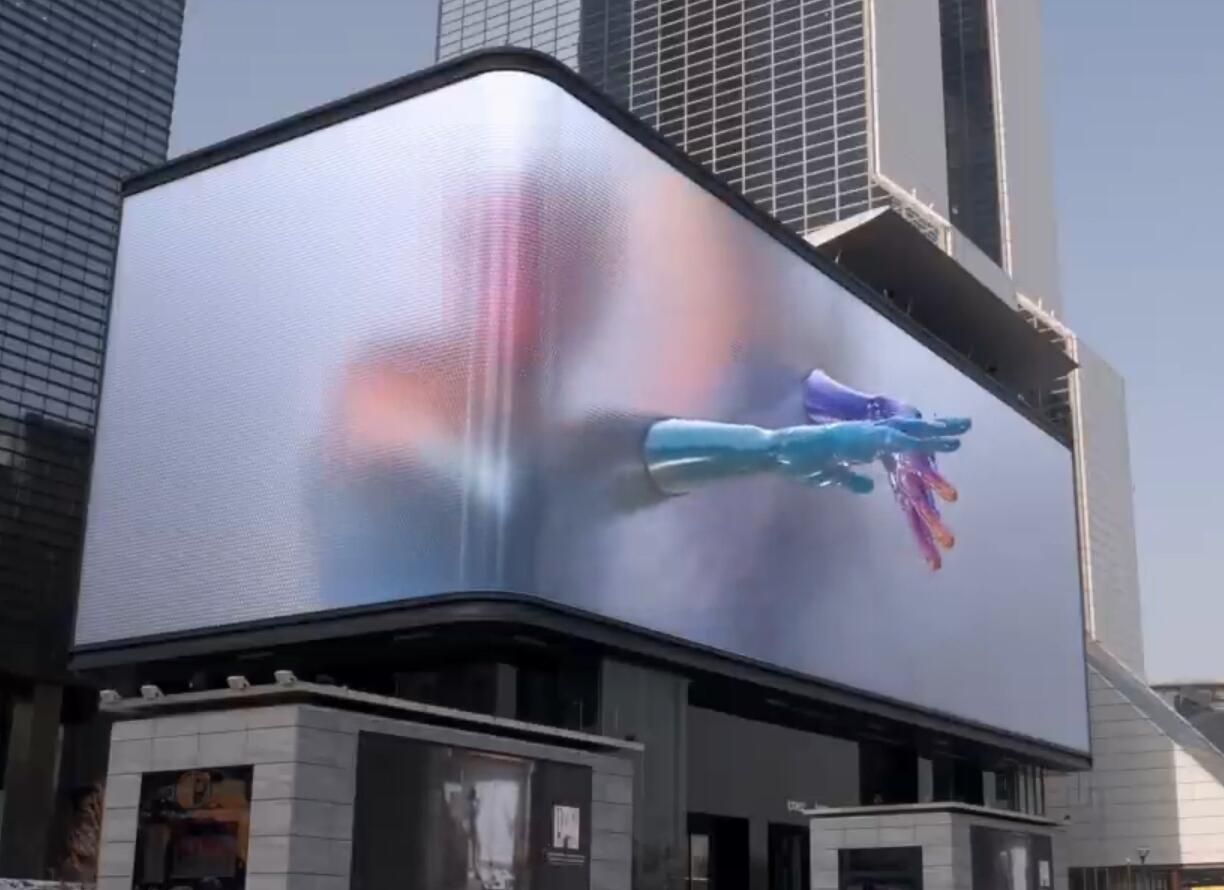
- Anamorphic advertising, on the other hand, transforms content into a live 3D spectacle — think of a giant sneaker bursting out of the frame or a car twisting midair above a city junction.
This transition from passive viewing to immersive experience makes anamorphic displays instantly more memorable and share-worthy.

2. The Creative Depth: Illusion as Art
Where conventional screens rely on animation or static visuals, anamorphic content is built on optical illusion and perspective distortion. Designers create 3D simulations that only look realistic when viewed from a particular angle — a calculated creative challenge that blends:
- 3D modeling and visual effects (VFX)
- Architectural integration (screen size, location, and viewing distance)
- Lighting and motion synchronization
The result? A visually stunning illusion that pushes the limits of creative storytelling — something standard LED displays can’t replicate.
3. Audience Engagement: From Glance to Interaction
Traditional outdoor ads aim for quick visibility — they catch your eye for a second or two.
Anamorphic screens go further — they stop people in their tracks.
- Passersby pause, film, and share the spectacle on social media.
- Engagement extends beyond physical space into the digital world.
- Audiences experience awe, curiosity, and wonder — emotions that strengthen brand recall.
Anamorphic billboards are essentially built for virality, while traditional LEDs remain informational.
4. Brand Perception and Prestige
Investing in anamorphic advertising instantly elevates a brand’s image.
- Traditional LED ads are seen as standard marketing formats.
- Anamorphic ads are perceived as premium, innovative, and technologically forward.
Brands like Nike, Samsung, BMW, and Coca-Cola use anamorphic screens to convey not just their product, but also their creative leadership and tech-savvy identity.
5. The Measurable Impact
While both mediums can boost awareness, the depth of engagement differs dramatically:
| Aspect | Traditional LED/Digital | Anamorphic 3D Advertising |
|---|---|---|
| Visual Format | 2D, flat visuals | 3D illusion-based visuals |
| Emotional Impact | Informative | Immersive and awe-inspiring |
| Engagement Type | Short visual recall | Experiential, shareable |
| Creative Flexibility | Limited animation | Storytelling through illusion |
| Social Media Amplification | Moderate | Extremely high viral potential |
| Brand Perception | Standard | Premium and innovative |
6. When to Choose Anamorphic Advertising
Use anamorphic displays when your campaign goal is to wow, not just inform — for example:
- Product launches or rebranding campaigns
- Luxury or tech-based promotions
- Destination marketing and entertainment partnerships
- Experiential OOH activations
For brands that want to turn cityscapes into storytelling stages, anamorphic technology is not just an upgrade — it’s a revolution.
Final Takeaway
While traditional LED screens excel in reach and repetition, anamorphic advertising wins in emotion and memorability.
It transforms outdoor advertising into a spectacle that merges art, technology, and audience participation — the perfect trifecta for today’s experience-driven consumers.
In short, LED displays show your message.

Anamorphic displays make people feel it.