
Outdoor advertising is often associated with large budgets and national brands. However, this perception overlooks one of OOH’s strongest advantages—local dominance. When used strategically, outdoor advertising enables small and local

Outdoor advertising is often associated with large budgets and national brands. However, this perception overlooks one of OOH’s strongest advantages—local dominance. When used strategically, outdoor advertising enables small and local

In India’s highly competitive entertainment landscape, movie success depends heavily on opening-week momentum. While digital platforms drive conversation, outdoor advertising continues to play a decisive role in shaping public perception.

Billboards have traditionally been viewed as one-way communication tools. However, technological innovation is transforming outdoor advertising into an interactive and measurable medium. Today, emerging technologies such as AR, QR codes,
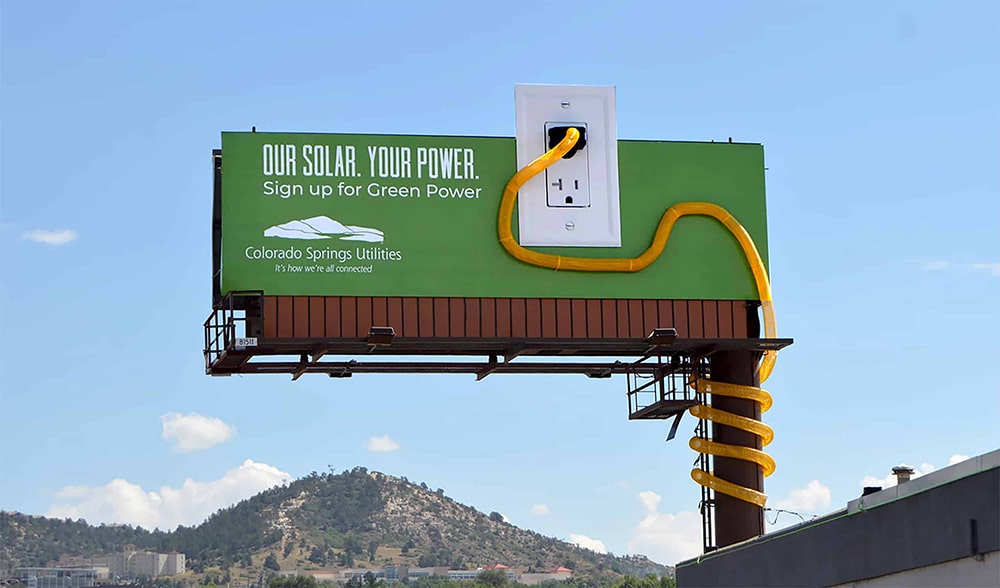
Outdoor advertising remains one of the most powerful mass-media channels for brand visibility. However, as media planning becomes increasingly data-driven, advertisers now demand more accountability from Out-of-Home (OOH) campaigns. This
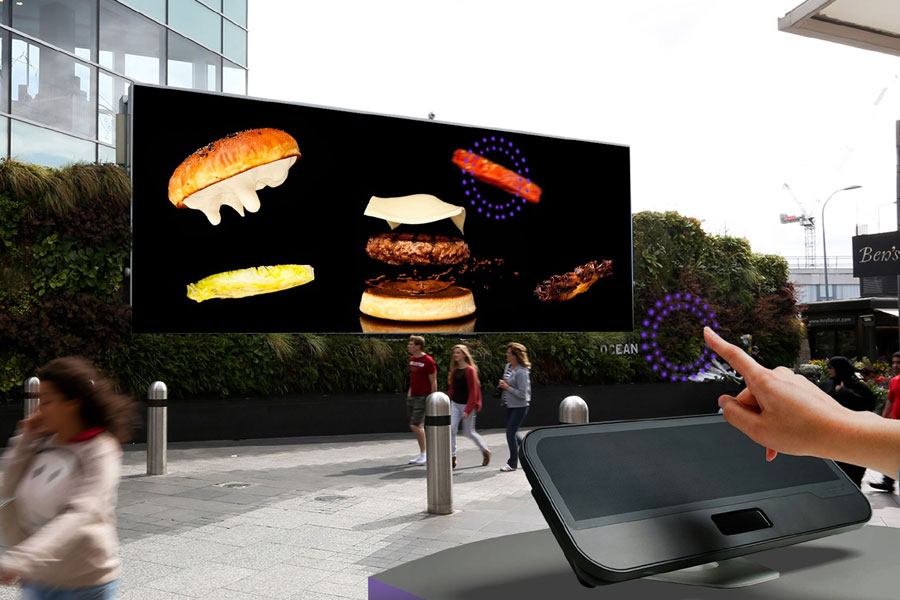
Digital Out-of-Home (DOOH) advertising has transformed traditional outdoor media into a data-driven channel. Unlike static hoardings, digital screens offer measurable performance indicators. As brands increasingly demand accountability, understanding how impressions,
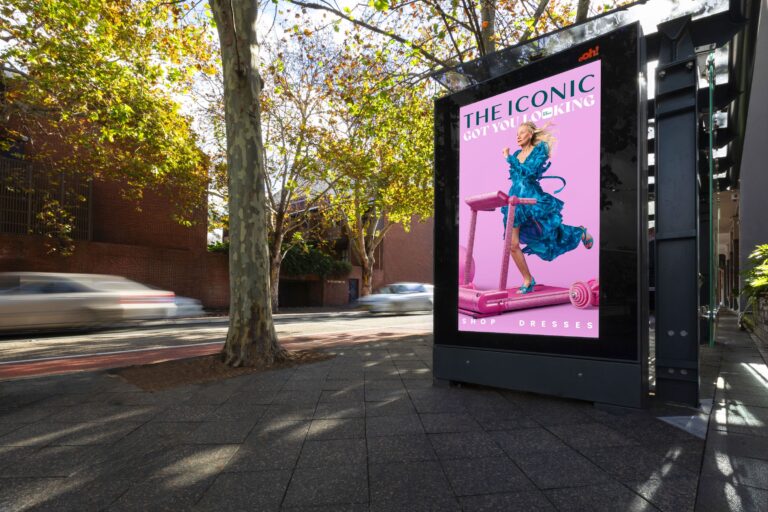
Out-of-home advertising continues to evolve as brands seek better visibility and stronger engagement. Traditionally, static hoardings dominated outdoor media. However, digital out-of-home (DOOH) screens are rapidly transforming how brands communicate
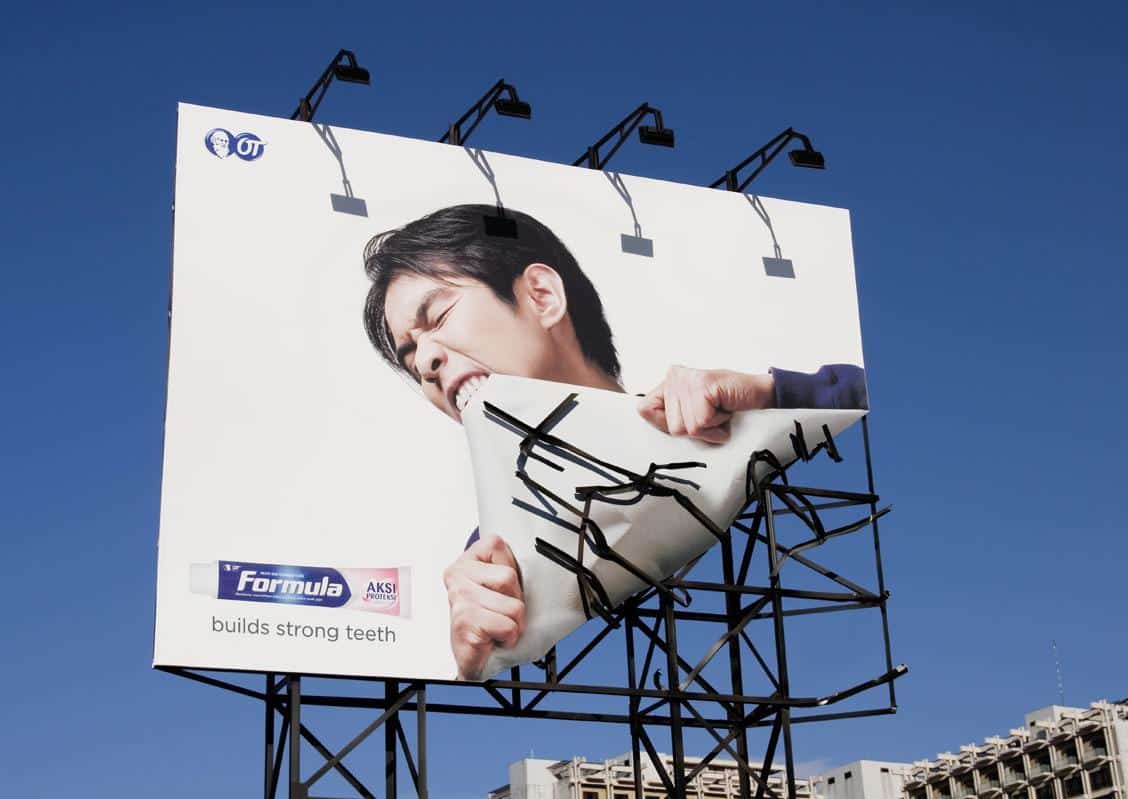
As consumer attention spans fragment across physical and digital environments, brands can no longer rely on a single channel for impact. Instead, integrated communication has become essential. This makes understanding

Transit media has re-emerged as a powerful advertising channel in urban India. With daily commuters spending extended time across buses, metros, and trains, brands now view transit environments as high-frequency
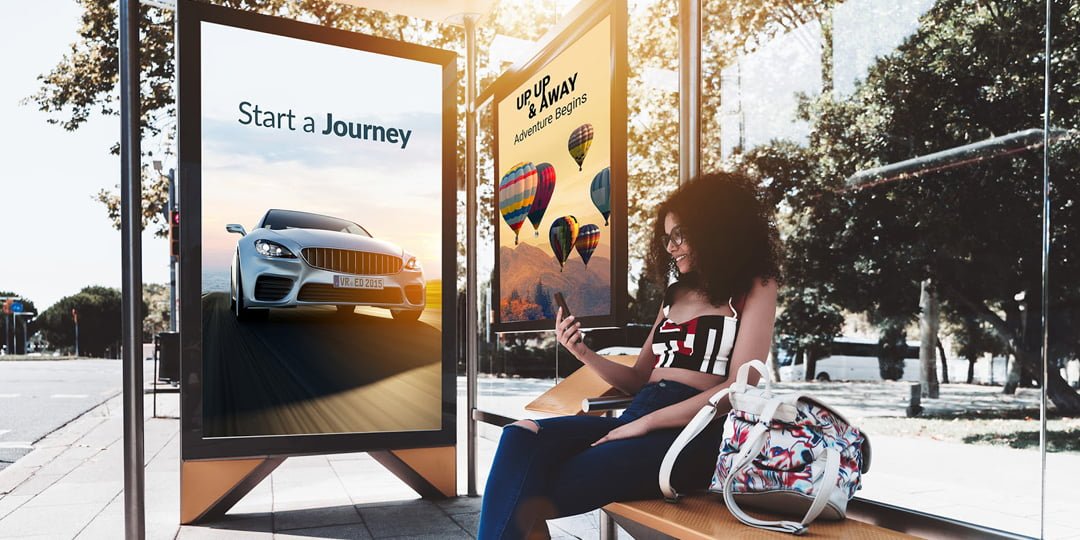
In today’s fast-moving media ecosystem, brands can no longer rely on a single channel to make a lasting impression. Consumers move seamlessly between physical spaces and digital platforms every day.

Transit and metro advertising is one of the most effective outdoor media formats in urban India. It reaches commuters repeatedly in high-dwell environments such as platforms, concourses, trains, and entry–exit