How to Decide Between Billboards, Transit Media, and Street Furniture for Your First OOH Campaign? is one of the most important questions brands face when stepping into outdoor advertising. While OOH offers powerful visibility, choosing the wrong format can dilute impact and waste budgets.
Each OOH medium serves a different purpose. Therefore, first-time advertisers must align media choice with business goals, audience behaviour, and message complexity. Instead of chasing visibility alone, smart planning focuses on context and consumption patterns.
Understanding the Three Core OOH Formats
Before deciding, brands must understand how these formats differ in real-world impact.
-
Billboards dominate large visual spaces
-
Transit media moves with people and traffic
-
Street furniture integrates into daily urban routines
Each format works best under specific conditions. Therefore, the decision should be strategic rather than aesthetic.

When Billboards Make Sense for a First OOH Campaign
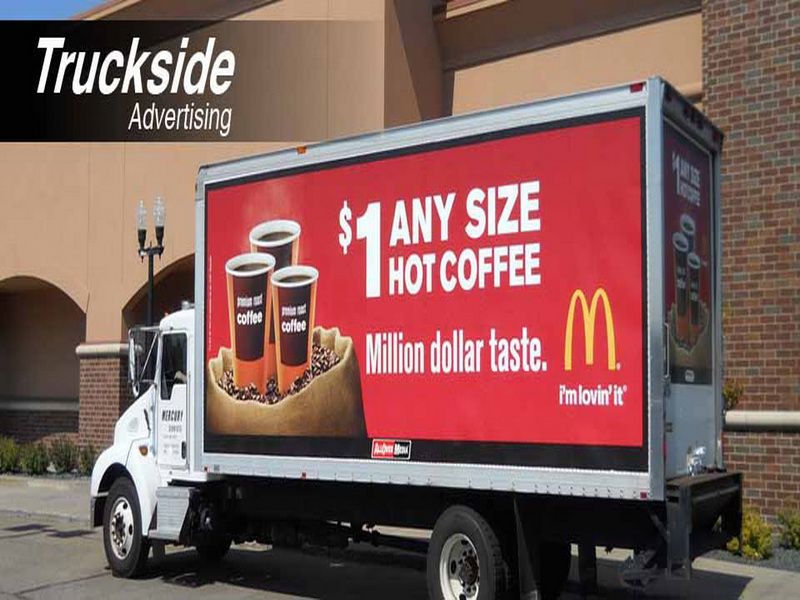
Billboards work best when the objective is mass awareness. They create strong visual presence and brand stature, especially for new launches.
Billboards are ideal if:
-
Your brand needs instant city-level visibility
-
The message is short and bold
-
You want to build top-of-mind recall quickly
However, billboards require careful location audits. High traffic alone is not enough. Instead, sightlines, dwell time, and visual clutter determine success.
Moreover, billboards perform better when supported by repetition across multiple routes. A single large hoarding may look impressive but often lacks frequency.
When Transit Media Is the Smarter Choice
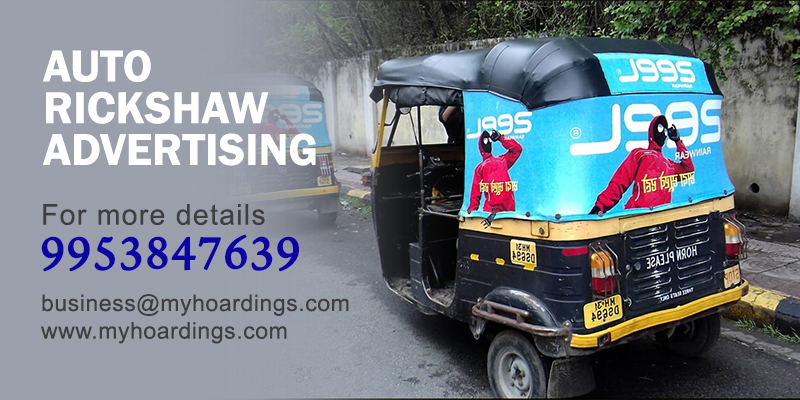
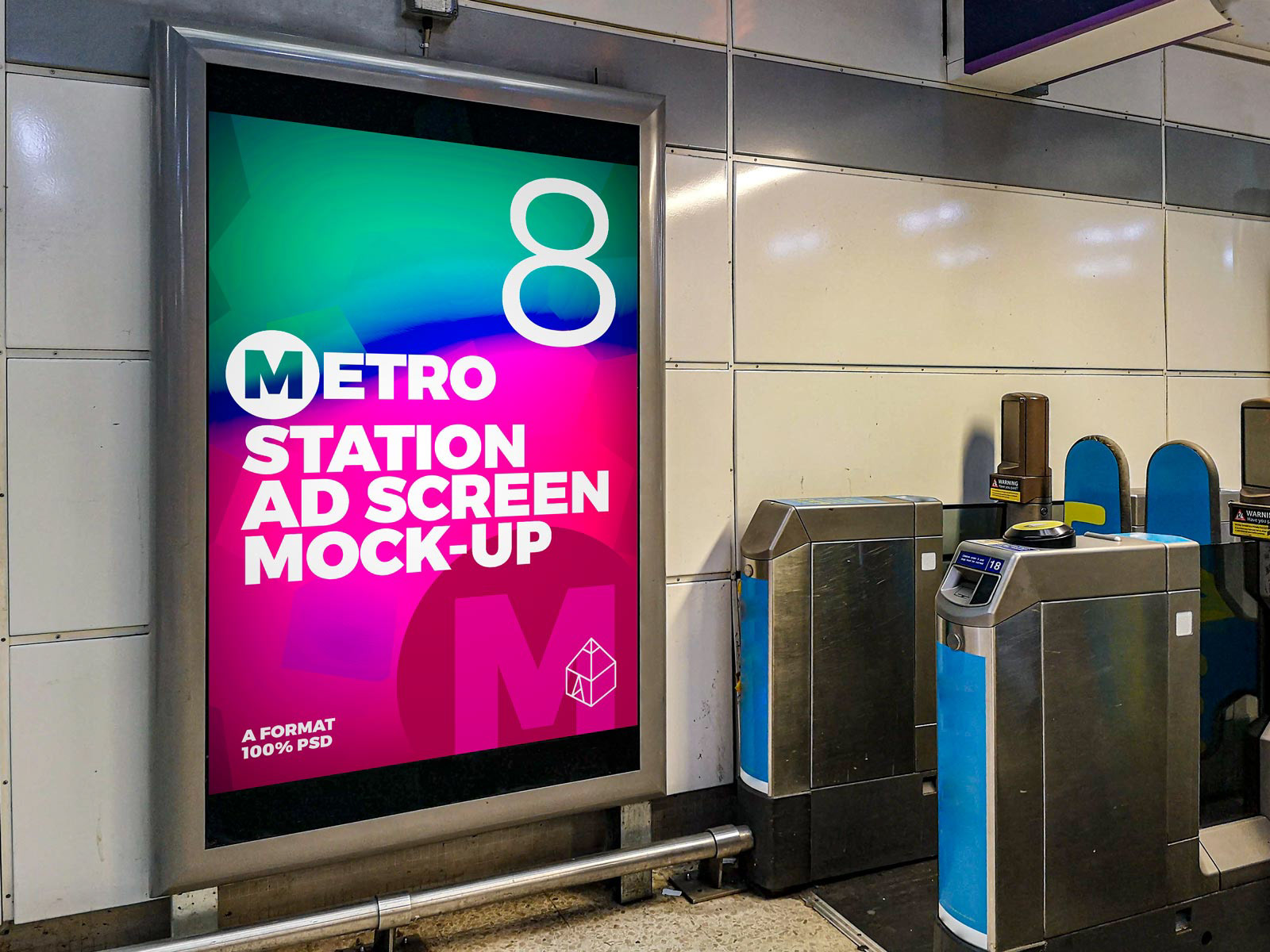
Transit media includes buses, metros, autos, cabs, airport media, and station branding. This format works best when brands want moving visibility and repeated exposure.
Transit media is effective if:
-
Your audience commutes daily
-
You want message repetition across the city
-
You prefer longer campaign visibility over static dominance
Because transit media travels across neighbourhoods, it builds familiarity over time. Therefore, it works well for services, education, BFSI, real estate, and retail brands.
Additionally, transit media offers better cost distribution than premium billboards. As a result, first-time advertisers often find it more forgiving in terms of ROI.
Why Street Furniture Works for Hyperlocal Impact
Street furniture includes bus shelters, kiosks, poles, benches, utility boxes, and pedestrian media. These formats operate at eye level and high dwell zones.
Street furniture is ideal if:
-
Your brand targets local consumers
-
You want high recall in specific catchments
-
Your message supports walk-in or nearby action
Unlike billboards, street furniture benefits from close-range visibility. Therefore, copy clarity and contextual relevance become critical.
For first-time campaigns, street furniture works especially well for retail stores, clinics, restaurants, gyms, and local services.
How to Match Media Format With Campaign Objective
One of the biggest mistakes first-time advertisers make is choosing format before defining objectives.
Here’s a simple alignment:
-
Brand launch or scale → Billboards
-
City-wide presence and frequency → Transit media
-
Local footfall and action → Street furniture
Therefore, brands should prioritise objective-fit over visual appeal.
Budget Considerations for First-Time OOH Advertisers
Budget flexibility plays a key role in media selection.
Billboards often demand higher upfront costs. Transit media allows budget spreading across multiple assets. Street furniture offers affordable entry with targeted impact.
Consequently, brands with limited budgets should avoid concentrating spend on one premium unit. Instead, balanced exposure across formats delivers better learning and ROI.
Creative Complexity and Message Length Matter
Creative requirements differ by format.
-
Billboards need ultra-short messaging
-
Transit media supports slightly longer recall-based messaging
-
Street furniture allows instructional or directional communication
Therefore, brands should evaluate whether their message can be understood in 3 seconds or needs repeated exposure.

Why a Mixed Media Approach Often Works Best
For first-time campaigns, relying on a single format increases risk. Instead, a hybrid OOH strategy works better.
For example:
-
Billboards for visibility
-
Transit media for repetition
-
Street furniture for action
This layered approach mirrors the consumer journey from awareness to recall to conversion.
Conclusion
How to Decide Between Billboards, Transit Media, and Street Furniture for Your First OOH Campaign? depends on objectives, audience movement, budget, and message clarity.
Billboards deliver stature, transit media builds frequency, and street furniture drives local action. Therefore, the best choice is not about scale alone but about relevance and context.
By aligning format with purpose, first-time OOH advertisers can avoid costly mistakes and unlock meaningful outdoor impact.