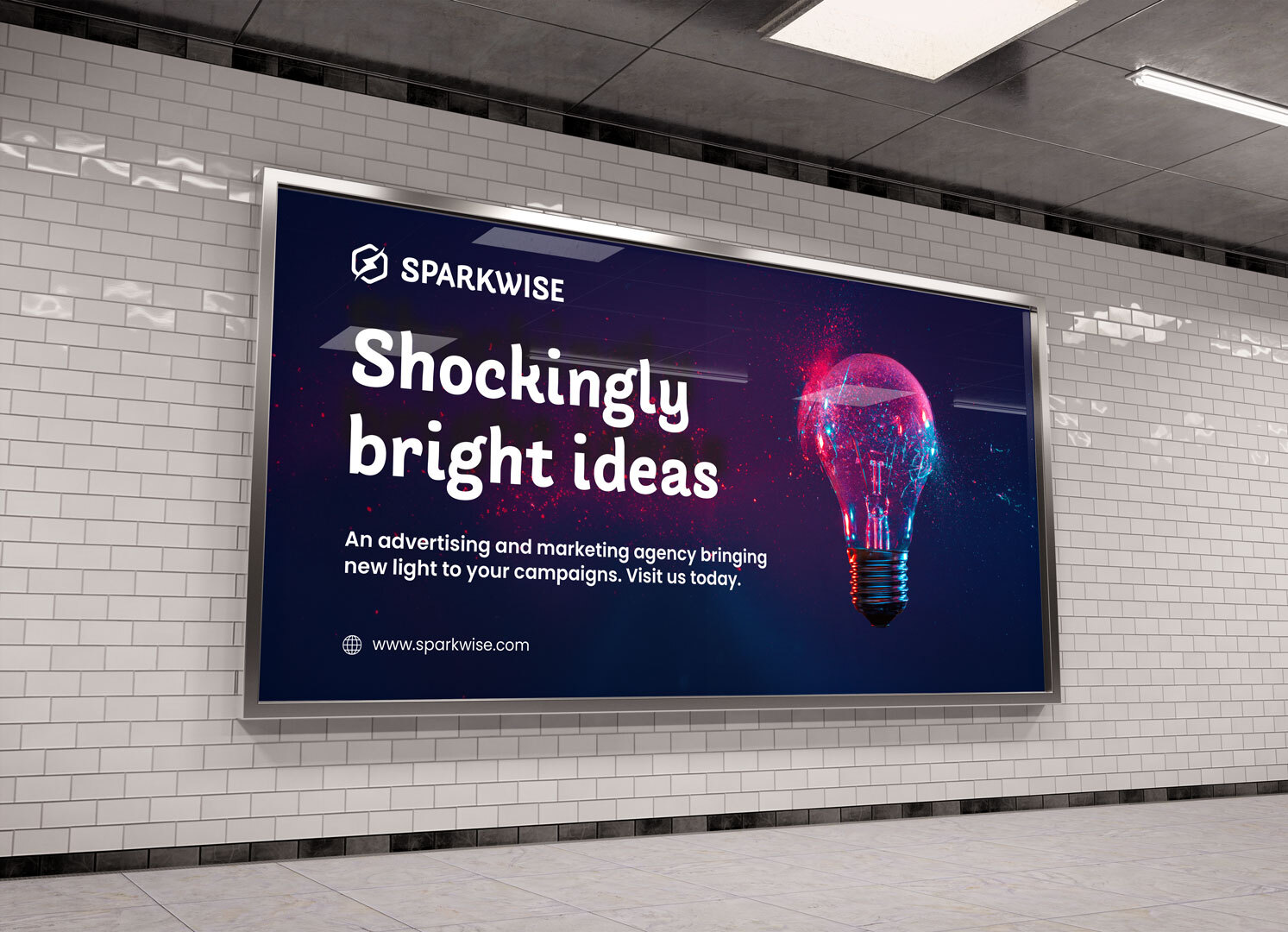
For years, outdoors advertising was considered a traditional medium—powerful but broad, impactful but imprecise. Billboards, unipoles, transit ads, and highway hoardings could deliver massive visibility, but they couldn’t match the granular audience targeting of digital channels. Today, things are changing rapidly. With data-driven targeting, sensors, mobile data analytics, and programmatic DOOH, outdoors advertising is evolving into a smart, measurable, and hyper-targeted medium. The big question is: can OOH truly become as smart as digital campaigns?
The answer is increasingly yes.
The Shift from Static to Smart: The Rise of Data-Driven OOH
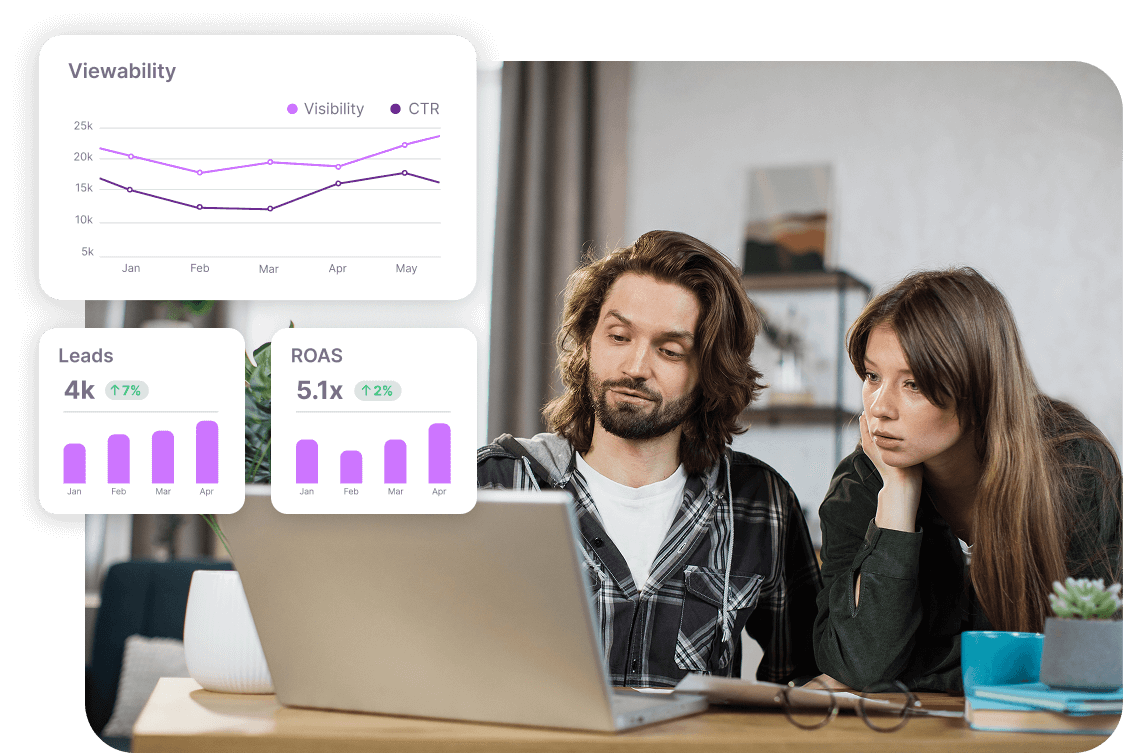
Outdoors advertising is undergoing a technological transformation. Instead of relying on assumptions about traffic and visibility, brands now use verified digital insights to plan and optimize campaigns. Tools like GPS data, heatmaps, mobile devices, smart city infrastructure, and real-time sensors help advertisers understand exactly who is passing by a billboard and when.
As a result, OOH is no longer just a visibility medium—it is becoming a precision marketing channel.
What Enables Smart Targeting in Outdoors Advertising?
1. Mobile Location Data and Audience Mapping
Smartphones generate continuous anonymized location signals. When aggregated from telecom providers, apps, and navigation services, they reveal accurate data about traffic flow, audience profiles, and movement patterns.
Brands can now answer questions like:
-
Who passed by the billboard?
-
What age group or profession do they belong to?
-
How often do the same people cross the location?
This level of targeting makes OOH almost as insightful as digital ads.
2. Integration with Smart City Infrastructure
India’s smart cities use:
-
CCTV analytics
-
IoT sensors
-
Vehicle counting systems
-
Traffic density reports
-
Environmental and lighting sensors
These technologies provide real-time data on footfall and vehicular movement. Advertisers can select hoarding locations based on actual audience intelligence rather than broad estimates.
3. Programmatic Digital OOH (pDOOH)
Programmatic DOOH allows advertisers to buy screens in real time based on:
-
Audience density
-
Weather updates
-
Rush hours
-
Local events
-
Regional behavior
For example, a beverage brand can display ads on hot days, while a cab service can target office rush hours. This dynamic targeting mirrors digital programmatic advertising.
4. AI and Predictive Analytics
AI analyzes historical traffic data, demographic patterns, buying behavior, and seasonal insights to predict when and where ads will receive maximum attention.
Campaigns become smarter because:
-
They optimize budgets
-
Reduce wastage
-
Display the right messages at the right time
Outdoors ads start acting like highly optimized digital campaigns.
Can OOH Match Digital’s Precision?
OOH still cannot target individuals at a personal level (and shouldn’t for privacy reasons), but it already rivals digital in terms of audience groups, location intelligence, and real-time optimization.
What it lacks in individual-level targeting, it gains in:
-
Large-scale visibility
-
High recall rates
-
Non-skippable exposure
-
Massive reach across urban and highway networks
Data-driven OOH combines the strength of outdoors reach with digital-level smartness, bringing the best of both worlds.
The Future: Outdoors Advertising Becoming Fully Hybrid
The next stage of evolution will integrate:
-
AR-enabled billboards
-
Vehicle telemetry data
-
3D DOOH creatives
-
Facial analytics for anonymous demographic estimation
-
Cross-device retargeting (OOH → mobile → social)
Imagine this: a commuter views a DOOH screen, and later sees related ads on their phone. That’s where Indian OOH is heading.
 Conclusion
Data-driven targeting is transforming outdoors advertising into a smart, measurable, and highly optimized medium that can genuinely compete with digital campaigns. By combining mobility data, smart city infrastructure, programmatic DOOH, and AI-driven insights, brands can ensure their outdoors media investments are precise, efficient, and ROI-focused.
OOH is no longer just a billboard—it’s a powerful hybrid channel blending digital intelligence with real-world impact.