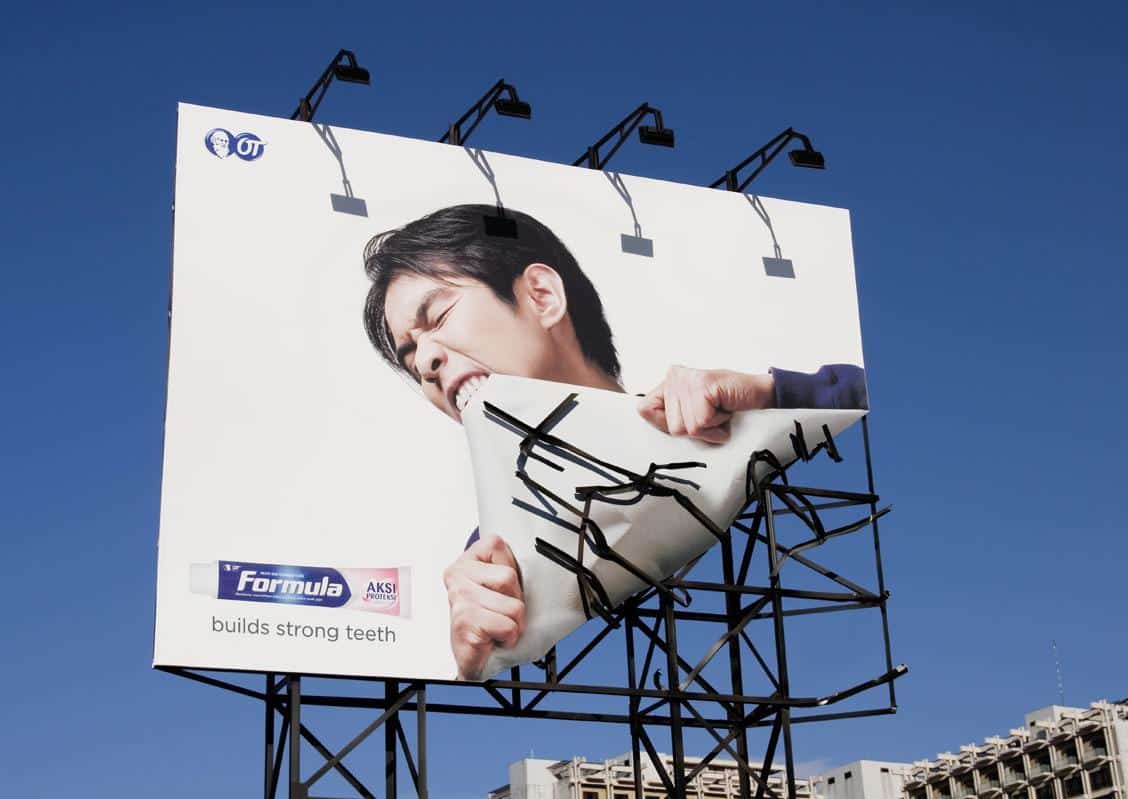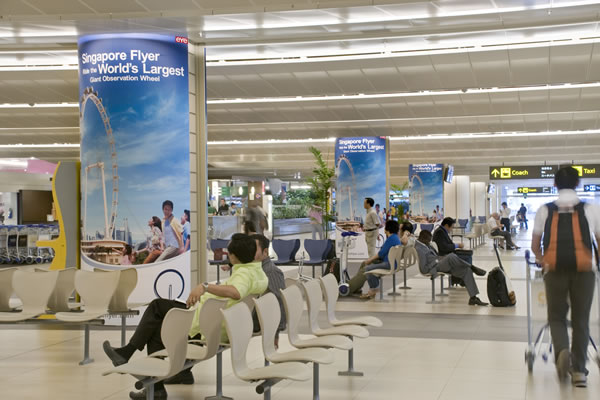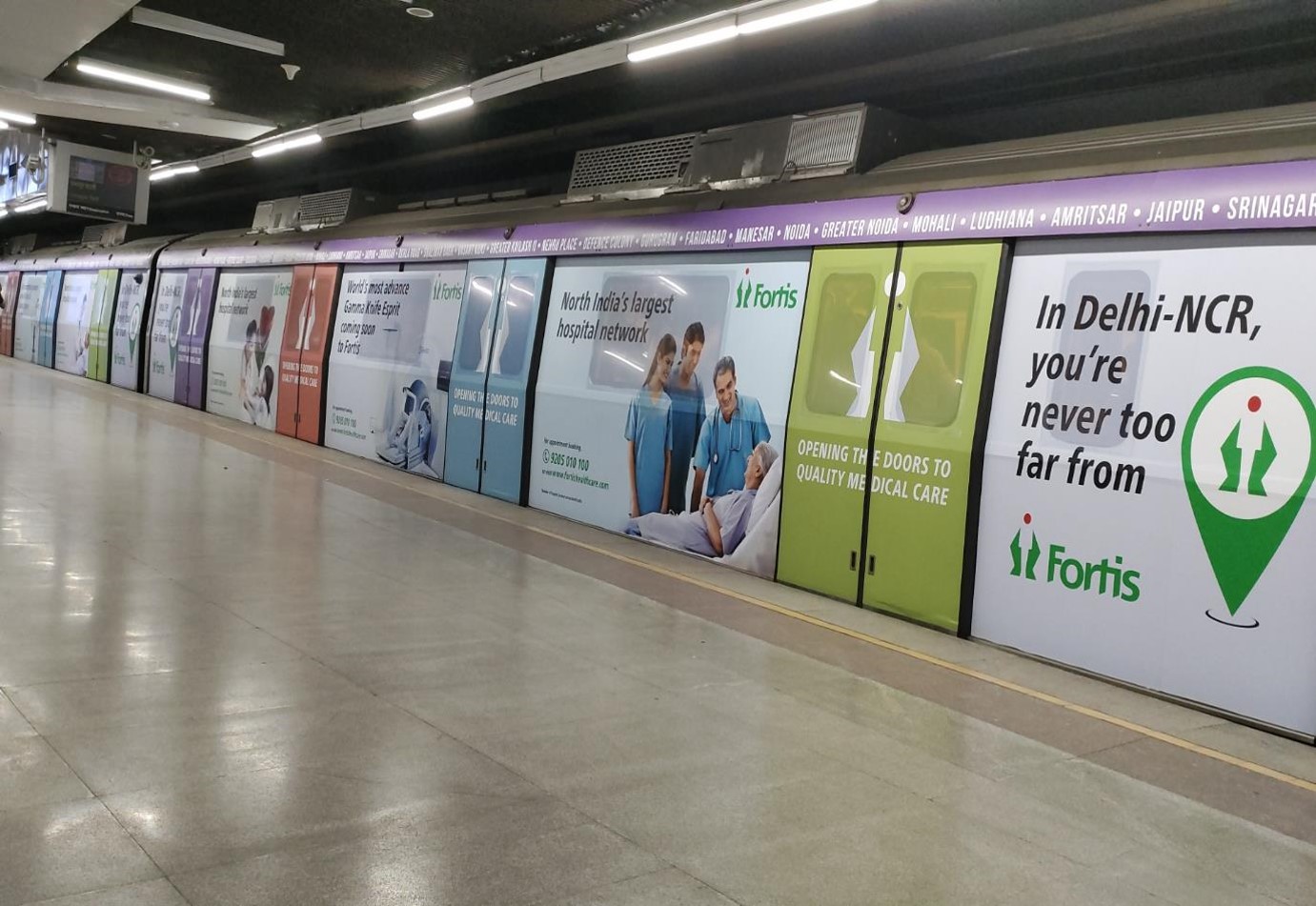
If you’ve ever noticed a billboard and actually remembered the brand later, chances are it wasn’t just the creative—it was the location doing its job.
Outdoor Advertising in India – Complete Guide
In India, where every road feels crowded and every corner has some kind of branding, picking the right location is not as simple as choosing the busiest spot. In fact, many brands spend heavily on prime locations and still don’t see results, while others quietly perform well with smarter placement.
So the real question is not “Where is the most traffic?”
It’s “Where will my ad actually be noticed and remembered?”
It Starts with Understanding Who You Want to Reach
Before even looking at sites or pricing, the first thing to figure out is your audience.
Because not every location works for every brand.
A premium watch brand won’t get much value from a random highway hoarding. At the same time, a mass FMCG product doesn’t need to be inside a luxury mall to sell.
Different places attract different people:
-
Office areas are full of working professionals
-
Local markets are crowded with daily shoppers
-
Highways are filled with travelers
Once you’re clear about who you want to talk to, the location becomes much easier to decide.
More Traffic Doesn’t Always Mean Better Results
This is where most people go wrong.
They assume that the busiest road equals the best performance. But think about it if vehicles are moving fast, how much time does anyone really have to read your ad?
Now compare that with a traffic signal.
People are literally standing still. They have time to look around, read, and absorb. That’s where your ad actually gets noticed.
So instead of just chasing numbers, it helps to think about how people behave in that location.
Sometimes a slightly less crowded spot with slower movement works far better than a high-speed highway.
Visibility is More Important Than You Think
You can have a great location on paper, but if the hoarding isn’t clearly visible, it won’t perform.
Things like trees, poles, bad angles, or even poor lighting can completely reduce impact.
Ideally, your ad should:
-
Be directly in the line of sight
-
Have no visual blockage
-
Be readable within seconds
-
Stand out even in daylight or at night
Outdoor advertising is simple if people can’t see it properly, they won’t remember it.
The Role of Timing and Dwell Moments
One thing that often gets ignored is how long someone actually sees your ad.
In some places, it’s just a glance. In others, it’s a few seconds or even longer.
Those extra seconds matter a lot.
Think about places like:
-
Traffic signals
-
Parking entries
-
Toll booths
-
Mall entrances
People are naturally slower in these areas. They’re not rushing. That gives your message time to settle.
And in OOH, even a few extra seconds can make a big difference.

Sometimes Less Clutter Works Better
In big cities, it’s common to see multiple hoardings stacked together. While that may look like a “premium cluster,” it often creates confusion.
Too many ads in one place means people don’t focus on any one of them.
In contrast, a clean, standalone hoarding even in a slightly quieter area can grab more attention because it doesn’t have to compete.
It’s not always about being in the busiest space.
Sometimes it’s about being the only brand people notice at that moment.
Budget Should Be Planned, Not Just Spent
There’s a common belief that the more you spend, the better results you’ll get.
But in reality, it’s about how you distribute that spend.
Instead of putting everything into one expensive site, many brands get better results by spreading their presence:
-
One or two strong, high-visibility locations
-
Supported by multiple smaller placements
This way, people don’t just see your brand once they keep seeing it again and again during their daily routine.
And that repetition builds familiarity.
Matching Location with What You Want to Achieve
Not every campaign has the same purpose, and your location should reflect that.
If the goal is awareness, you’ll naturally look at high-traffic areas.
If the goal is local sales, then being closer to the store or market matters more.
If the goal is premium positioning, then the environment becomes important.
When the location matches the intent of the campaign, results feel more natural and less forced.
What Really Improves ROI in the End
At the end of the day, ROI in OOH doesn’t come from just one factor. It’s a combination of small, smart decisions.
It comes from:
-
Choosing the right audience location
-
Making sure the ad is clearly visible
-
Placing it where people actually notice it
-
Repeating the presence across key routes
When all of this comes together, even a simple campaign can perform really well.
Final Thoughts
Outdoor advertising in India is full of opportunities, but it’s also full of noise. Every brand is trying to be seen, and every location looks promising at first glance.
But the brands that actually see results are the ones that think a little deeper.
If you’re planning your next campaign, explore our detailed guide on choosing the best OOH locations in India to make smarter decisions.
They don’t just ask “Where can we put our ad?”
They ask “Where will our ad actually work?”
And that small shift in thinking is what makes the biggest difference.