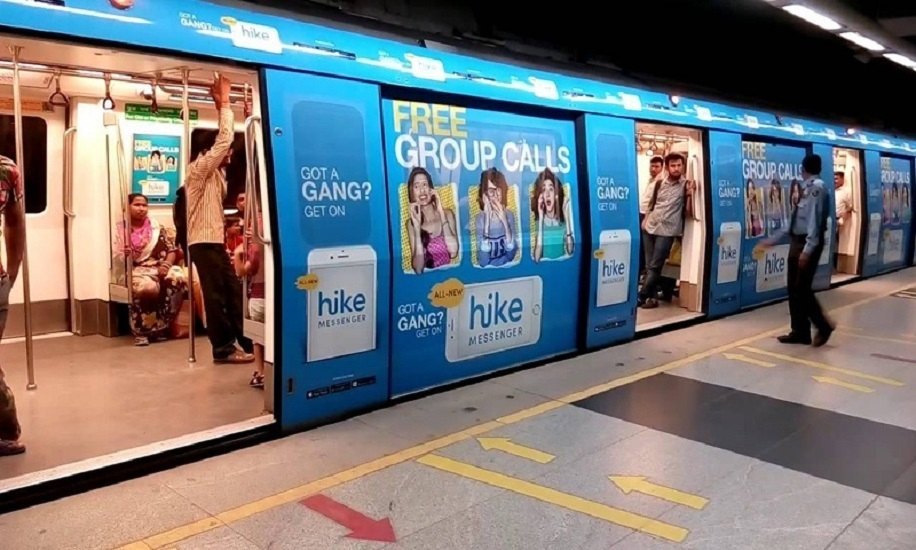
How Data Signals Like Weather, Traffic, and Time Improve Programmatic Media Performance is no longer a theoretical discussion in media planning. Instead, it has become a practical advantage for brands that want higher relevance, better engagement, and smarter ad spends. As advertising shifts from broad exposure to precision targeting, data signals are playing a critical role in shaping programmatic strategies across digital, DOOH, and omnichannel campaigns.
Traditionally, programmatic media relied heavily on audience demographics and historical performance. However, today’s media environment demands contextual intelligence. Therefore, real-time signals such as weather conditions, traffic movement, and time of day are being actively used to trigger, pause, or modify ad delivery. As a result, brands can align messaging with real-world situations that consumers are experiencing at that exact moment.
How Data Signals Improve Programmatic Media Performance in Real Time
Programmatic platforms thrive on automation. However, automation becomes truly powerful only when it responds to live inputs. This is where data signals add value. By integrating external data feeds, advertisers can ensure their creatives appear when they are most relevant.
Moreover, contextual triggers reduce wastage. Instead of running ads uniformly throughout the day, campaigns activate only when predefined conditions are met. Consequently, performance metrics such as CTR, dwell time, and recall improve significantly.
How Weather Data Signals Improve Programmatic Media Performance
Weather is one of the most impactful real-time data signals in programmatic advertising. Consumer behaviour often changes with climate conditions. For instance, demand for cold beverages spikes during heatwaves, while rain increases interest in food delivery and ride-hailing services.

Therefore, programmatic platforms use live weather APIs to trigger creative variations. When temperatures rise above a set threshold, summer-focused messaging appears automatically. Similarly, rain-based creatives can be activated only during rainfall windows.
As a result, brands communicate with consumers when the message feels intuitive rather than intrusive. This contextual relevance significantly improves campaign efficiency and brand perception.
How Traffic Data Signals Improve Programmatic Media Performance
Traffic data plays a crucial role, especially in programmatic DOOH and location-based advertising. Congestion, vehicle speed, and commuter density offer valuable insights into audience availability and attention span.
For example, when traffic slows down on major corridors, DOOH screens can activate longer-format or high-impact creatives. On the other hand, fast-moving traffic zones may trigger bold, minimal messaging for quick comprehension.
Additionally, ride-hailing, automotive, and fuel brands benefit heavily from traffic-triggered ads. Since messages appear when consumers are already thinking about mobility, relevance increases. Consequently, ad recall improves without increasing media costs.
How Time-Based Data Signals Improve Programmatic Media Performance
Time is one of the simplest yet most effective data signals in programmatic media. Consumer intent varies drastically by hour, day, and even season. Morning commuters behave differently from late-night audiences.
Therefore, programmatic systems use time-based rules to align creatives with audience mindset. Breakfast offers run in the morning, while entertainment or food delivery ads dominate evening hours. Similarly, weekday messaging differs from weekend creatives.
Furthermore, time-based optimisation prevents fatigue. Instead of repeating the same message, advertisers rotate creatives based on time slots. As a result, campaigns remain fresh and engaging throughout their lifecycle.
Combining Weather, Traffic, and Time for Smarter Programmatic Media
While individual data signals are powerful, their real strength emerges when combined. For example, a food delivery brand can activate rain-based creatives only during evening hours in high-traffic residential zones. This layered targeting ensures maximum relevance.
Moreover, combining multiple signals allows media planners to shift from reactive buying to predictive optimisation. Campaigns no longer wait for performance reports. Instead, they adapt continuously based on real-world conditions.
As a result, brands achieve higher ROI, lower CPM wastage, and stronger contextual resonance.
Why Data-Driven Context Is the Future of Programmatic Advertising
Consumers today are more aware of advertising than ever before. Therefore, relevance has become non-negotiable. Data signals bridge the gap between automation and human context.
Programmatic advertising powered by weather, traffic, and time does not just target audiences. Instead, it targets moments. This shift transforms media buying from impression-driven planning to experience-driven storytelling.
Consequently, brands that adopt signal-based programmatic strategies will stay ahead in an increasingly competitive attention economy.
Conclusion
How Data Signals Like Weather, Traffic, and Time Improve Programmatic Media Performance is not about adding complexity. Instead, it is about adding intelligence. By aligning ads with real-world conditions, advertisers make their messaging timely, relevant, and effective.
As programmatic ecosystems mature, data signals will move from optional enhancements to core planning inputs. Therefore, brands that embrace contextual automation today will define the next phase of media effectiveness.