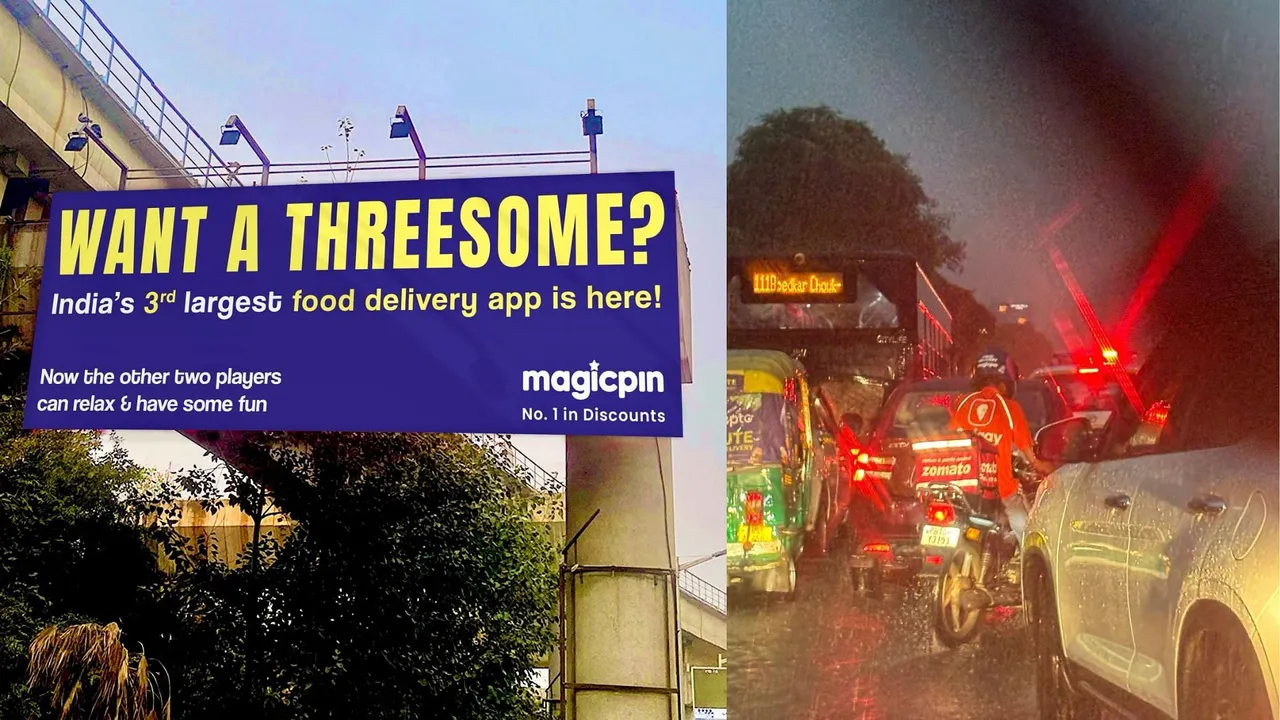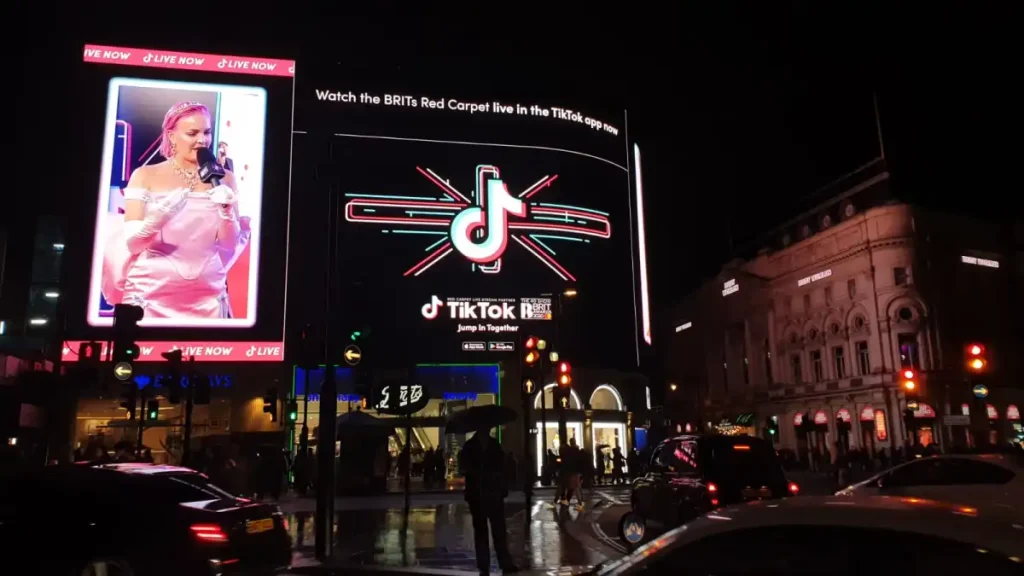
Digital out-of-home advertising has moved far beyond being a screen-based visibility medium. Today, DOOH is a performance-driven channel, shaped by relevance, timing, and behavioural understanding.
As Gautam Bhirani, Founder of Eyetalk Media Ventures, rightly puts it, “DOOH creativity works best when audiences are treated not just as viewers, but as contributors.”
This perspective captures the core shift underway. In modern DOOH, attention is no longer assumed. Instead, it must be earned — moment by moment, screen by screen.
Why Attention in DOOH Must Be Earned
Unlike mobile phones or personal devices, outdoor screens do not come with guaranteed engagement.
People encounter DOOH while living their lives. They are commuting, shopping, waiting, or socialising. Their focus constantly shifts.
Therefore, visibility alone does not ensure impact.

In DOOH, attention competes with real-world movement, distractions, and priorities. This reality makes the medium challenging — but also powerful.
When attention is earned rather than forced, it becomes more meaningful.
That is what defines effective DOOH today.
Designing Creativity for Real-World Behaviour
Because attention is not automatic, creativity in DOOH must be intentional.
Visual appeal still matters. However, visuals alone cannot drive results.
High-performing DOOH campaigns consistently align three factors:
-
Where the screen is placed
-
When the message appears
-
Why the message matters in that moment
When these elements come together, the screen feels natural within the environment.
Instead of interrupting people, the message integrates into their routine.
As a result, engagement feels voluntary rather than imposed.
This is where DOOH differs fundamentally from most digital channels. Frequency cannot fix poor context. Only relevance can.
From Presence to Participation Through UGC
One of the strongest creative shifts in DOOH has been the rise of user-generated content (UGC).
Earlier, screens acted as final destinations. Now, they act as triggers.
UGC-led campaigns encourage people to respond through their own devices. Offline exposure seamlessly extends into online behaviour.
People take photos. They scan. They post. AThey share.
In this model, the DOOH screen initiates attention, but participation sustains it.
Creativity no longer ends at the screen. Instead, it continues through social interaction and earned amplification.

This evolution proves one essential truth — DOOH performs best when audiences participate rather than observe.
Point-of-Sale DOOH: Where Attention Turns into Action
However, attention alone is not the final goal.
Real ROI begins when attention leads to behaviour.
This is where near-retail and point-of-sale DOOH plays a crucial role.
When messaging appears close to consumption or purchase moments, relevance increases sharply.
In categories like FMCG and beverages, such placements often influence consideration instantly.
Here, creativity is measured not by how impressive it looks, but by whether it moves action.
As a result, DOOH shifts from a branding tool to a contributor to business outcomes.
API Triggers Make Timing a Creative Advantage
Another important evolution lies in real-time triggers.
Live sports scores, weather updates, festival cues, or moment-based messaging allow DOOH to feel responsive.
When creatives reflect what people already care about emotionally, attention arrives naturally.
Often, a simple line delivered at the right moment outperforms complex visuals shown at the wrong time.
This reinforces a critical industry insight — timing matters more than technology.
In DOOH, relevance beats sophistication every time.
Designing Interactions That Feel Natural
Tools such as QR codes further highlight the importance of context.
When placed in environments with high dwell time — cafés, lounges, gyms, and entertainment zones — QR-led DOOH campaigns can drive strong engagement.
Users scan because it feels appropriate in that moment.
However, when the same tools appear in rushed or mismatched environments, they fail.
The difference lies not in technology, but in understanding behaviour.
Creativity that respects how people pause, move, and think in physical spaces converts better.
Redefining What Creative Success Means in DOOH
As the medium matures, the industry must also evolve its definition of success.
For brands, success means measurable impact.
But, For agencies, it means context-led strategy rather than visual spectacle.
For media owners, it means long-term value creation rather than short-term exposure.
When creativity is guided by context and supported by technology, ROI becomes a shared outcome — not a post-campaign argument.
Where DOOH Truly Wins
DOOH’s greatest strength lies in its ability to merge physical presence with digital behaviour.
It does not depend on passive consumption.
Instead, it earns attention in the real world — where decisions are actually made.
That is what makes DOOH uniquely powerful.
And that is why, when creativity meets context, DOOH delivers real ROI.