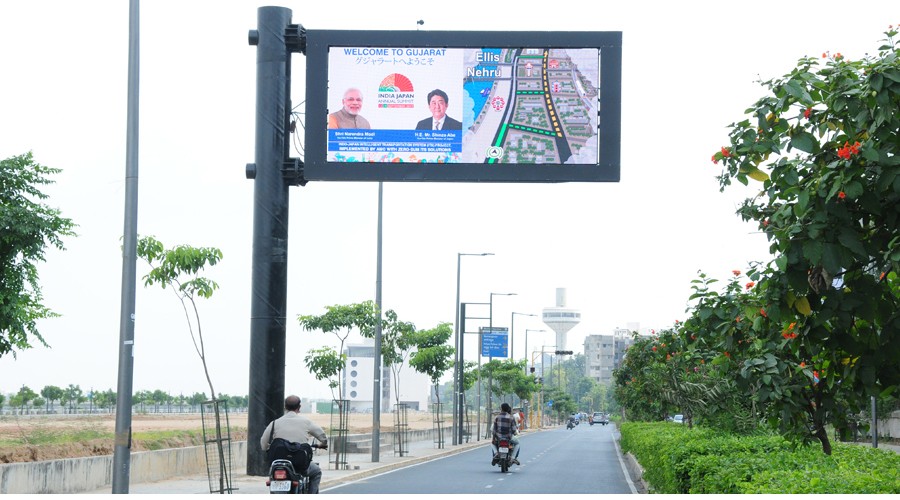
India’s rapid digital transformation is reshaping how cities operate and how brands communicate with audiences. With the growth of smart urban infrastructure, advanced connectivity, data-driven systems, and intelligent public utilities, smart cities and IoT devices are fueling the growth of DOOH advertising in India. This evolution has transformed outdoor advertising from static hoardings into real-time, responsive, and highly interactive digital media. As a result, DOOH has become a powerful tool for brands seeking visibility in modern urban environments.
Smart Cities Building a Strong Foundation for DOOH Growth
Smart cities across India are actively developing digital-ready infrastructure, and this has created an ideal foundation for DOOH advertising. Features such as digital display networks, smart poles, intelligent traffic systems, public Wi-Fi zones, and sensor-driven utilities make it easier to install and operate digital screens. Because of this infrastructure, DOOH displays are now placed in high-engagement locations such as metro stations, airports, bus shelters, smart parking zones, and busy junctions. These placements significantly increase visibility and enhance audience interaction, leading to stronger brand recall.
IoT Devices Enabling Real-Time, Data-Driven Advertising
IoT devices play a major role by constantly supplying real-time data that powers dynamic DOOH advertising. Sensors connected to smart city systems collect information such as footfall counts, traffic density, weather conditions, pollution levels, and mobility patterns. This data is fed directly into DOOH networks, allowing screens to automatically adjust content based on live conditions. A beverage brand can display chilled drink ads during high temperatures, while a cab service can promote peak-hour offers when traffic slows down. This contextual content delivery keeps ads relevant and highly engaging.
Programmatic DOOH Expanding Through IoT Integration
IoT integration has greatly accelerated the adoption of programmatic DOOH in India. Programmatic platforms can now use real-time triggers such as audience movement, weather changes, traffic conditions, and event timings to activate campaigns automatically. This automated buying process increases targeting accuracy, eliminates dependency on manual scheduling, and improves both efficiency and performance. Brands benefit from stronger ROI because ads appear only when the conditions are ideal for capturing attention.
Smart Cities Enhancing DOOH Measurement and Analytics
One of the biggest advantages smart cities offer is the ability to measure DOOH performance with high accuracy. Traditional OOH faced challenges in tracking viewer impact, but IoT-enabled DOOH solves this problem by providing detailed insights. These include impression counts, average dwell time, audience demographics, screen uptime, and real-time playback verification. With these analytics, brands can make informed decisions, optimize future campaigns, and confidently allocate budgets.
Interactive DOOH Experiences Enabled Through IoT Technology
IoT-enabled DOOH also supports engaging and interactive content formats. Modern smart city screens can integrate QR codes, NFC touchpoints, Bluetooth beacons, motion-tracking sensors, and mobile-device connectivity. These features allow users to engage directly with outdoor ads. Brands can create immersive experiences such as product demos, instant downloads, live polls, or interactive games, resulting in deeper audience engagement.
Energy-Efficient and Sustainable DOOH Installations
Smart cities emphasize sustainability, and IoT-powered systems contribute by optimizing energy consumption and improving overall efficiency. IoT tools help monitor brightness levels, screen temperature, power usage, and maintenance needs. These automated adjustments reduce energy waste and extend the lifespan of digital screens. As a result, DOOH becomes greener, more reliable, and cost-efficient.
Conclusion
Smart cities and IoT devices are transforming DOOH advertising across India by enabling real-time targeting, automated content delivery, detailed analytics, interactive experiences, and sustainable operations. With expanding digital infrastructure and rising demand for intelligent urban solutions, it is poised to become one of the most impactful advertising mediums in modern India. As cities continue to evolve, brands will gain even more opportunities to connect with audiences through smarter, data-driven outdoor campaigns.