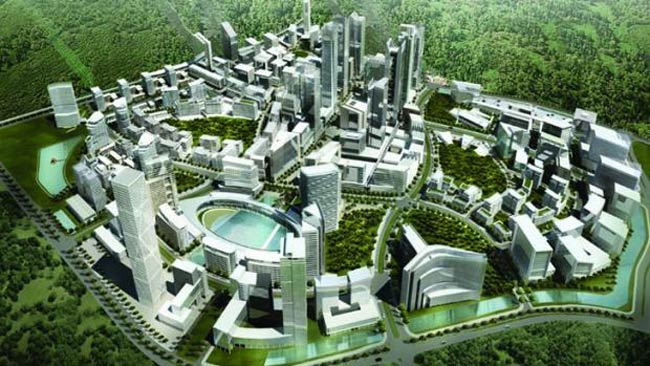
India’s smart-city projects and urban infrastructure upgrades are transforming the outdoor advertising landscape. As cities modernize streets, public transit systems, and urban facilities, they create high-visibility, premium real estate for brands. These initiatives not only enhance urban experiences but also open new avenues for advertisers to reach affluent, urban audiences more effectively.
1. Smart Infrastructure Creating High-Impact Locations
Modern urban planning under the Smart Cities Mission includes:
-
Digitally enabled bus shelters and metro stations
-
Integrated transport hubs with LED screens and digital panels
-
Pedestrian-friendly zones with premium OOH spaces
These upgrades transform previously overlooked spaces into prime advertising locations, enabling brands to capture attention in high-traffic, high-dwell areas.
Brand Opportunity: Luxury goods, automotive, and lifestyle brands can place premium campaigns in transit hubs and high-footfall areas, ensuring maximum visibility to urban professionals and daily commuters.
2. Enhanced Data and Analytics for Smarter Media Buying
Smart-city infrastructure often integrates IoT sensors, traffic monitoring, and digital audience insights, which allow advertisers to:
-
Track pedestrian and vehicular flow in real time
-
Optimize ad placements based on audience density
-
Measure engagement via digital screens with interactive features
This shift from static OOH to data-driven premium media buying enables more precise targeting, higher ROI, and better campaign accountability.
3. Digitally Enabled DOOH Opportunities
Infrastructure upgrades encourage digital out-of-home (DOOH) proliferation:
-
Interactive LED panels in metro stations or shopping zones
-
Dynamic content in high-traffic intersections
-
Real-time content updates synced with events, weather, or time of day
Such installations allow brands to tell richer stories and deliver contextually relevant messaging that resonates with urban audiences.
4. Integration with Transit and Mobility Solutions
Smart cities often revamp public transportation with metro expansion, BRT corridors, and electric buses. These developments create:
-
Mobile advertising surfaces (bus wraps, metro panels)
-
Digital screens in transit corridors
-
Interactive kiosks at transit points
Brands can leverage these premium spaces for campaigns that combine reach, frequency, and engagement, particularly for audiences with higher disposable incomes.
5. Opportunities for Experiential and Hyperlocal Campaigns
Smart-city upgrades also facilitate experiential activations:
-
Pop-up events in upgraded plazas
-
Interactive brand experiences at pedestrian zones
-
AR/VR-enabled displays in digital hubs
By connecting physical infrastructure with immersive experiences, advertisers can drive higher recall, social sharing, and footfall.
6. Regulatory and Operational Advantages
Cities adopting smart infrastructure often streamline advertising permissions, digital signage policies, and public-private partnerships, allowing brands to:
-
Secure premium locations more easily
-
Run dynamic campaigns with flexible durations
-
Experiment with innovative ad formats like 3D or interactive displays
This makes premium outdoor advertising more accessible and scalable.
Conclusion
India’s smart-city initiatives and urban infrastructure upgrades are reshaping the outdoor advertising ecosystem. By creating high-traffic, digitally enabled, and data-driven premium locations, cities allow brands to engage urban audiences in innovative ways. Advertisers who leverage smart transit hubs, DOOH panels, and experiential installations can maximize visibility, recall, and ROI while capitalizing on India’s rapidly modernizing urban landscape.