Outdoor advertising in India has traditionally relied on long-term bookings, fixed locations, and manual negotiations. However, with the rapid growth of data-driven marketing, programmatic buying is increasingly influencing how brands plan and execute media campaigns. While programmatic is commonly associated with digital screens, its integration with traditional outdoor media is now reshaping the Indian OOH ecosystem. This article explains how programmatic buying can work alongside conventional outdoor formats and why this hybrid approach is gaining momentum.
Understanding Programmatic Buying in the OOH Context
Programmatic buying refers to the automated purchase of advertising inventory using data, algorithms, and real-time decision-making. In the OOH space, programmatic systems use audience data, time slots, and contextual triggers to decide when and where ads appear.
Although traditional outdoor media such as static hoardings cannot be bought in real time, programmatic logic can still influence planning, scheduling, and optimization. Therefore, integration does not mean replacing traditional OOH but enhancing it with data intelligence.
Using Data to Inform Traditional Outdoor Media Planning
One of the most effective ways to integrate programmatic buying with traditional outdoor media in India is through data-led site selection. Programmatic platforms analyze mobility data, audience behavior, and location intelligence.

As a result, brands can:
-
Select hoarding locations based on real audience movement
-
Align outdoor placements with high-performing digital zones
-
Reduce wastage by focusing on demand-rich micro-markets
Even though the booking remains manual, the planning becomes programmatic in nature.
Dayparting and Time-Based Optimization for Static OOH
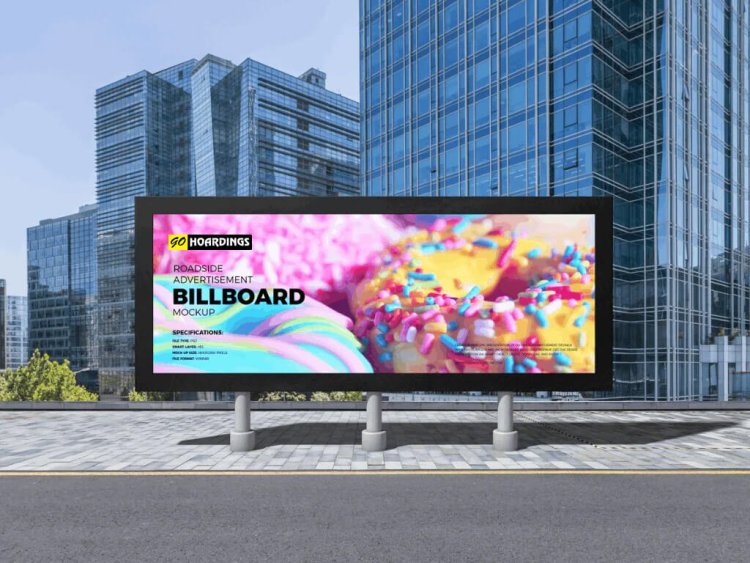
Programmatic thinking enables daypart-based planning for traditional outdoor media. While static hoardings display creatives continuously, brands can plan creative messaging around specific time slots.
For example, morning commuters may see office-focused messaging, while evening traffic may view lifestyle creatives. Although the medium is static, the strategy mirrors programmatic logic. Consequently, brands improve relevance without changing the physical asset.
Creative Synchronization Between DOOH and Traditional OOH
Another integration method involves syncing traditional outdoor creatives with programmatic digital campaigns. Brands often use digital OOH (DOOH) screens programmatically while surrounding them with static hoardings.
This creates a layered impact where:
-
DOOH delivers time-sensitive messages
-
Static hoardings reinforce brand recall
-
Digital campaigns retarget exposed audiences
Because of this synchronization, traditional OOH gains measurable support from programmatic channels.
Geo-Targeting and Audience Mapping for Outdoor Media
Programmatic buying relies heavily on geo-targeting. This approach can guide traditional outdoor campaigns by mapping high-value audience clusters.
Brands can use programmatic insights to:
-
Identify high-conversion pin codes
-
Match hoarding locations with retail catchments
-
Align outdoor media with hyperlocal digital ads
Therefore, traditional outdoor media becomes part of a larger, data-connected ecosystem.
Measurement and Attribution Through Programmatic Signals
One major limitation of traditional outdoor advertising has been measurement. However, programmatic integration improves attribution through mobile data and location analytics.
By using exposure-based modeling, brands can track:
-
Store visits after hoarding exposure
-
App installs in high-OOH zones
-
Lift in search activity near outdoor locations
As a result, traditional OOH becomes more accountable and performance-driven.

Role of Programmatic Marketplaces in Indian OOH
In India, programmatic OOH marketplaces are gradually expanding, especially in metro cities. While digital screens dominate these platforms, traditional outdoor media benefits indirectly.
Media owners increasingly use programmatic demand data to:
-
Price premium hoardings more accurately
-
Package static and digital assets together
-
Offer flexible campaign durations
This shift improves inventory utilization and advertiser confidence.
Challenges in Integrating Programmatic with Traditional OOH
Despite its benefits, integration is not without challenges. Fragmented ownership, inconsistent data standards, and regulatory constraints slow adoption.
However, as standardization improves and more cities adopt smart infrastructure, these challenges will gradually reduce. Brands that adapt early will gain a competitive edge.
Why Hybrid OOH Strategies Are the Future in India
Programmatic buying will not replace traditional outdoor media in India. Instead, it will enhance planning, targeting, and measurement. By combining automation with physical visibility, brands achieve both scale and precision.
Therefore, hybrid OOH strategies that blend programmatic intelligence with traditional formats represent the future of outdoor advertising in India.