Outdoor advertising in India operates within a complex regulatory framework. With multiple municipal bodies, transport authorities, and state-level regulations involved, the risk of unauthorized or illegal hoardings remains a serious concern. Therefore, understanding how agencies handle unauthorized or illegal hoardings and regulatory risk is critical for brands planning OOH campaigns.
Professional agencies play a vital role in safeguarding advertisers from financial penalties, campaign disruptions, and reputational damage.
Why Unauthorized Hoardings Are a Major Risk
Unauthorized hoardings are displays installed without valid municipal permission, expired licenses, or structural approvals. These hoardings may appear attractive due to lower costs or prime-looking locations, but they expose brands to significant risk.
Common consequences include:
-
Immediate removal by authorities
-
Financial penalties
-
Negative public attention
-
Campaign discontinuity
-
Legal notices issued to brands
As a result, compliance is not optional—it is essential.
How Agencies Identify Unauthorized Hoardings
Verification of Municipal Permissions
Reputed agencies verify every site against:
-
Municipal corporation licenses
-
Location-wise permit numbers
-
Display validity periods
-
Approved format specifications
Only hoardings with active and traceable permissions are shortlisted.
Cross-Checking with Approved Vendor Lists
Most cities maintain empanelled media owner lists. Agencies cross-check whether vendors are officially authorised to operate OOH sites within that jurisdiction.
Non-empanelled vendors are excluded regardless of cost advantages.
Site Documentation Audit
Agencies request and review:
-
Permission letters
-
Structural safety certificates
-
Site photographs with GPS data
-
License renewal records
This documentation confirms legality before booking.
Due Diligence Before Campaign Execution
Location-Level Compliance Checks
Even authorised vendors may have restricted locations. Agencies evaluate whether the site falls under:
-
Heritage zones
-
No-advertising corridors
-
Traffic-sensitive intersections
-
Government property boundaries
Sites violating zoning rules are rejected.
Format and Size Validation
Authorities often approve specific sizes and formats only. Agencies ensure that creatives and installations strictly match approved dimensions.
Any deviation increases takedown risk.
Regulatory Safeguards Built Into Agency Processes
Pre-Approval of Creatives
Agencies submit creatives for:
-
Municipal review
-
Transit authority approval
-
Content compliance checks
This prevents last-minute objections.
Contractual Risk Protection
Agency agreements with media owners include:
-
Indemnity clauses
-
Liability sharing for removals
-
Refund or replacement guarantees
These clauses protect brands financially.
On-Ground Inspection Before Installation
Agencies conduct physical site verification prior to installation to ensure:
-
Structural safety
-
Visibility conditions
-
Absence of obstructions
-
Compliance with approved layout
This step reduces execution surprises.

Handling Mid-Campaign Regulatory Interventions
Even compliant hoardings can face sudden government action due to policy changes, elections, or civic drives.
Agencies respond by:
-
Coordinating immediate takedown
-
Activating alternate approved sites
-
Extending campaign duration where possible
-
Issuing compliance documentation to authorities
This ensures continuity with minimal disruption.
Managing Election and Policy-Related Risks
During elections, the Model Code of Conduct can halt new outdoor permissions.
Agencies mitigate this risk by:
-
Monitoring election notifications
-
Freezing new installations proactively
-
Advising brands on safe continuation zones
-
Planning buffer periods in campaign timelines
Proactive monitoring prevents legal exposure.
Role of Insurance and Liability Planning
Some agencies and media owners maintain:
-
Third-party liability insurance
-
Structural damage coverage
-
Installation safety insurance
These measures further reduce risk exposure for advertisers.
Why Brands Should Avoid Direct Vendor Deals
Direct booking from unknown local vendors increases risk because:
-
Permissions may be invalid or expired
-
Documentation may be incomplete
-
Liability often shifts entirely to the brand
Agencies act as regulatory filters, shielding brands from such exposure.
Best Practices Agencies Follow to Minimise Risk
-
Work only with authorised media owners
-
Maintain updated city-wise regulation checklists
-
Keep approval documentation on record
-
Monitor site validity throughout campaign
-
Build contingency inventory plans
These practices form the backbone of compliant OOH execution.
How Regulatory Compliance Protects Brand Reputation
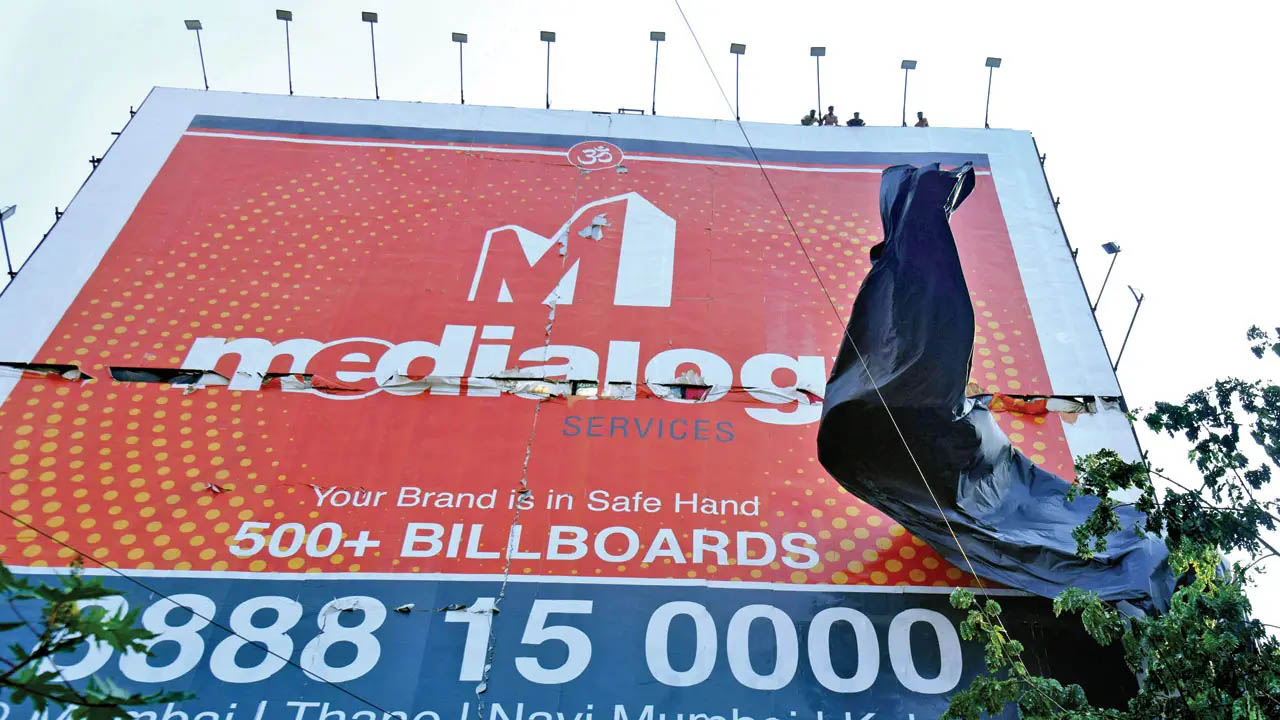
Illegal hoardings are often removed publicly and sometimes highlighted by local media or civic drives. Brands associated with such displays risk reputational damage.
Compliance ensures brands are perceived as responsible and trustworthy participants in public spaces.
Conclusion
Understanding how agencies handle unauthorized or illegal hoardings and regulatory risk highlights the importance of structured due diligence in outdoor advertising.
Through documentation audits, vendor verification, creative approvals, and contingency planning, professional agencies protect brands from legal exposure and campaign disruption.
In India’s highly regulated OOH ecosystem, regulatory compliance is not merely operational hygiene—it is a strategic necessity.