In India’s metro markets, brands have access to a wide range of media, from traditional OOH (Out-of-Home) and DOOH (Digital Out-of-Home) to digital/display advertising online. While both serve to drive awareness and engagement, their strategies, execution, and measurement differ significantly. Understanding these differences is key to designing campaigns that maximize ROI.
1. Audience Reach and Targeting
OOH and DOOH
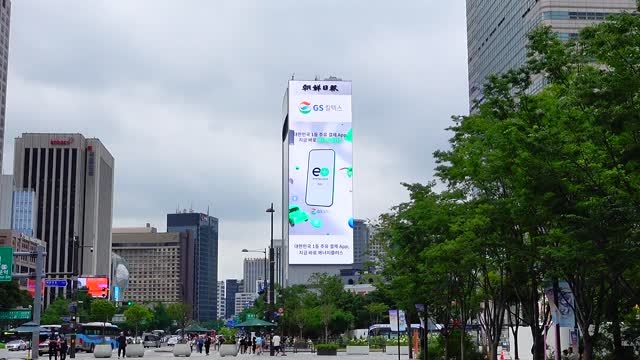
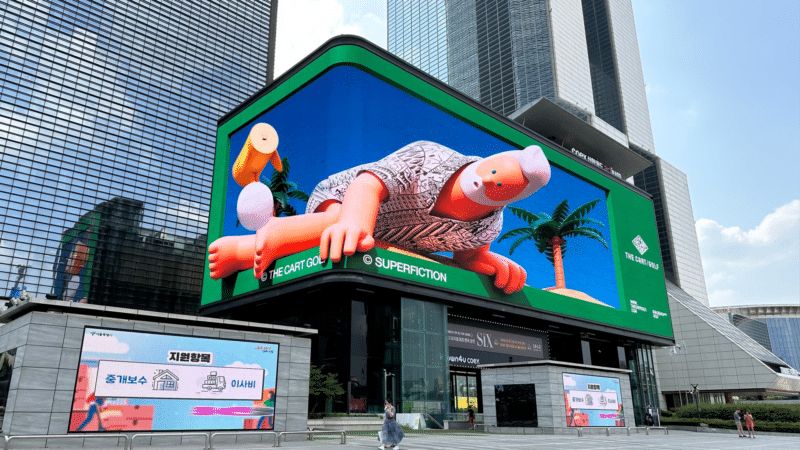
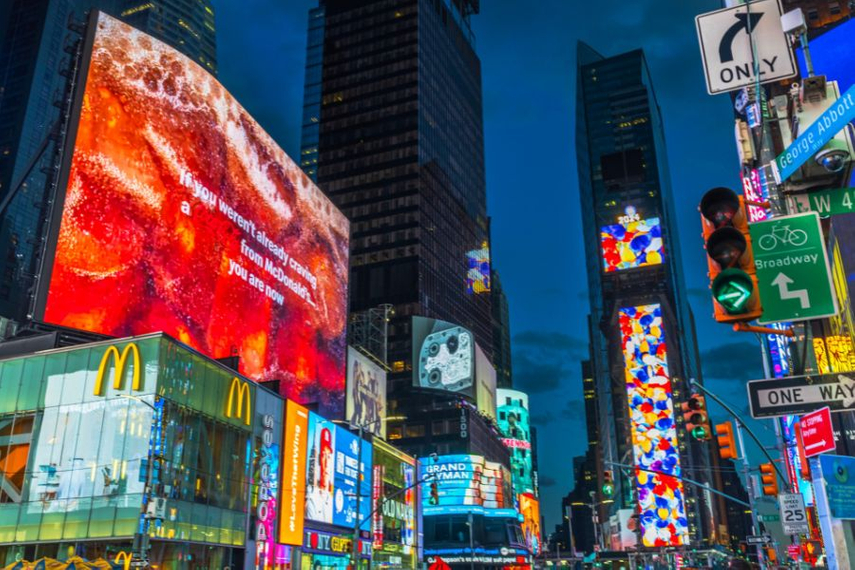
OOH and DOOH campaigns rely on location-based reach. Premium placements in metro hubs, transit areas, malls, and high-footfall streets help brands capture mass attention. DOOH adds interactivity and dynamic content, enabling real-time updates and time-of-day targeting.
Digital/Display Media
Digital media enables micro-targeting using demographic, behavioral, and interest-based data. Brands can reach specific segments repeatedly and track performance down to clicks, conversions, and engagement rates.
Key Difference: OOH/DOOH is great for broad, high-impact visibility, whereas digital display is ideal for precision targeting and retargeting.
2. Creative Execution
OOH/DOOH
OOH campaigns focus on bold visuals, minimal text, and high recall designs. DOOH allows motion graphics, animations, and interactivity to capture attention in crowded urban spaces. Campaigns must convey the message quickly, as passersby engage for seconds.
Digital/Display
Digital campaigns can be messier but richer, incorporating storytelling, sequential ad experiences, videos, and interactive elements. Users can spend more time interacting, clicking, or learning about the product.
3. Engagement and Interactivity
-
OOH/DOOH: Engagement is often passive, but can be enhanced via QR codes, AR, gamification, or social tie-ins.
-
Digital/Display: Engagement is direct and measurable, allowing instant conversions like sign-ups, downloads, and purchases.
Strategy Implication: Brands must design OOH to drive awareness and curiosity, and digital to convert curiosity into action.
4. Measurement and ROI Tracking
-
OOH/DOOH: Metrics include footfall impressions, dwell time, location analytics, and indirect attribution through sales or promo code usage.
-
Digital/Display: ROI is measured with granular metrics like CPM, CTR, CPC, conversions, and engagement rate.
In metro markets, integrated campaigns often combine OOH for visibility and digital for measurable action.
5. Optimal Integration Strategies
-
Sequential Storytelling: Launch OOH to introduce the brand or campaign theme, followed by digital campaigns to reinforce and convert.
-
Location-Based Retargeting: Use OOH placements to drive awareness in specific zones, then retarget nearby users digitally.
-
Cross-Media Synergy: Align visuals, messaging, and hashtags across Occupational Outlook Handbook and digital for consistent recall.
-
Event Tie-Ins: Use metro Occupational Outlook Handbook for event or store promotions, supported by real-time social or display campaigns.
Conclusion
Brand-promotion strategies in metro Indian markets must balance the mass visibility of OOH/DOOH with the precision and measurable engagement of digital/display media. While it creates awareness and builds aspirational appeal, digital channels allow brands to drive interactions and conversions. The most effective campaigns leverage the synergy between both media, combining scale, creativity, and performance to optimize impact in metro cities.