Outdoor advertising in India is evolving fast. Brands now evaluate both static and dynamic formats before building their media plans. Traditional sites offer reach and familiarity. Meanwhile, digital screens offer flexibility and precise targeting. As a result, marketers must analyse each option through a strategic lens. This article explains how static vs dynamic OOH decision making works and which factors matter most.
1. Cost Drives Static vs Dynamic OOH Decision Making
Cost remains the first consideration for most brands.
Static OOH is usually more affordable. It has lower production fees and predictable rental rates. Because of this, brands with limited budgets prefer static formats, especially for long-duration campaigns.
However, DOOH can be cost-effective in short bursts. Brands avoid printing costs and can run multiple creatives on the same screen.
Moreover, DOOH allows day-parting. This means brands pay only for the hours or days that matter. Therefore, DOOH often delivers a better cost-to-impact ratio when brands need short-term visibility.
2. Flexibility Makes DOOH Attractive for Fast-Moving Categories
Flexibility is one of DOOH’s biggest strengths.
Brands can update creatives instantly. For example, e-commerce players can run new offers every few hours. Food brands can change menus by time of day.
In contrast, static OOH cannot be changed quickly. Printing, transporting and mounting take time.
Because of this, categories that rely on real-time marketing—tech, BFSI, grocery apps, travel and retail—prefer DOOH.
The ability to test multiple messages also reduces risk and improves campaign optimisation.
3. Targeting Precision Shapes Static vs Dynamic OOH Decision Making
Targeting has become essential in outdoor planning.
Static OOH offers geographic targeting but lacks behavioural insights. Brands choose it when they want mass reach across highways, city-centres or high-traffic junctions.
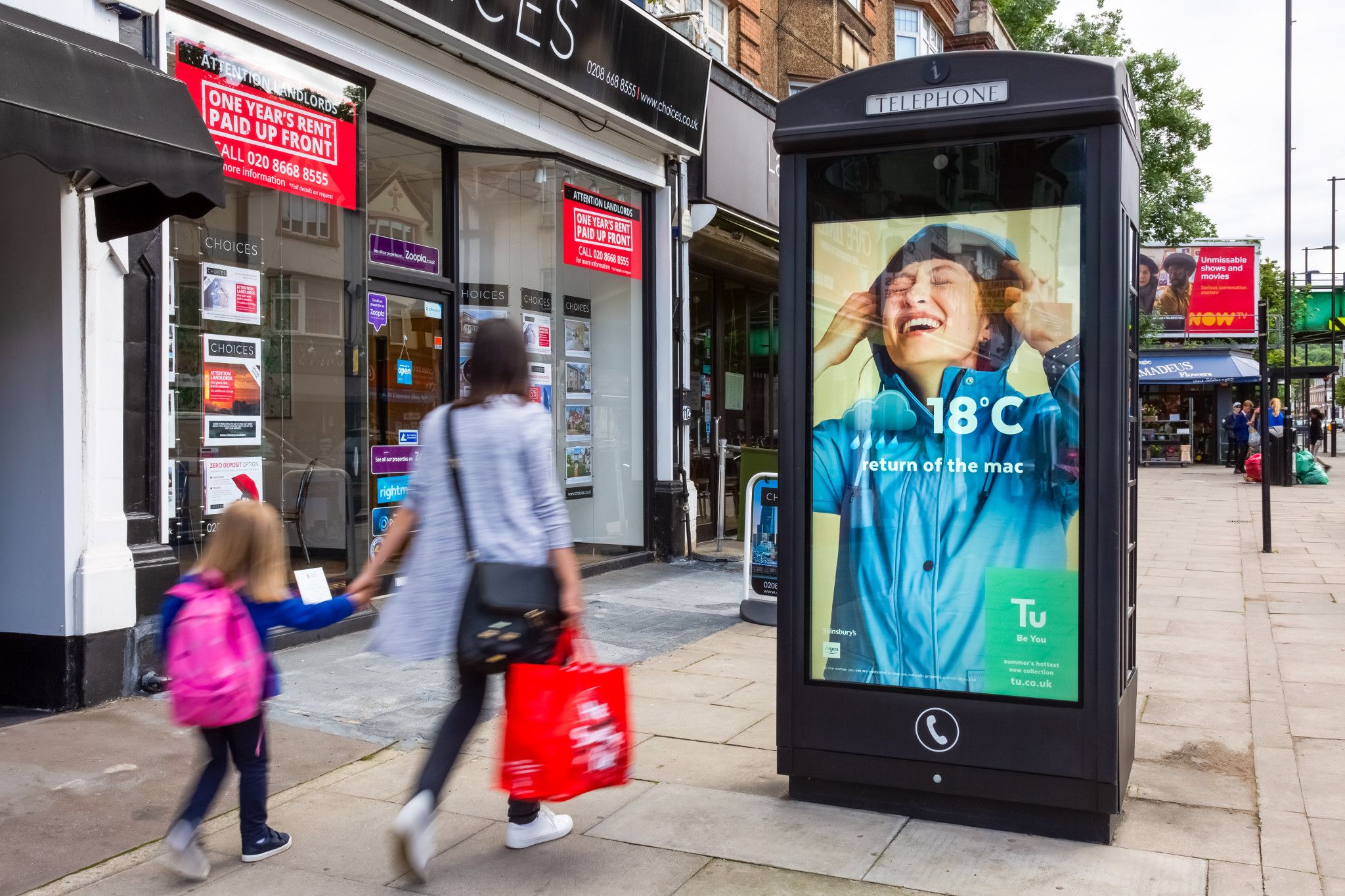
Meanwhile, DOOH uses data-driven targeting. It integrates with mobility data, footfall heat maps and time-based behaviour patterns.
For example:
-
Airport DOOH reaches premium travellers.
-
Mall DOOH targets shoppers.
-
Metro DOOH captures daily commuters.
This precision helps brands deliver the right message at the right moment. Consequently, DOOH becomes more efficient for performance-led campaigns.
4. Creative Needs Influence the Final Choice
Some brands need high-impact creative storytelling.
Static formats are great for iconic large-format billboards, building wraps or bridge panels. These placements offer scale that DOOH screens cannot always match.
However, DOOH supports animated visuals, motion graphics and dynamic storytelling.
As a result, entertainment, tech and lifestyle brands use DOOH to create high recall with movement-led creativity.
5. Campaign Objective Determines Which Format Wins
Presence campaigns focus on awareness. These campaigns need long-duration visibility, which makes static formats ideal.
Performance campaigns focus on real-time triggers. They need agility and relevance, so DOOH becomes the stronger choice.
Many brands mix both formats. Static builds reach. DOOH adds contextual sharpness. This combination maximises impact.
6. Compliance, Weather and Execution Timelines Also Matter
Execution challenges often shape static vs dynamic OOH decision making.
Static sites face delays due to permissions, weather issues or installation time.
DOOH avoids these delays. However, DOOH depends on power stability and screen health.
Brands weigh these risks before finalising plans.
Conclusion
Brands in India weigh cost, flexibility, targeting precision and execution speed before choosing between static OOH and dynamic DOOH. Static delivers scale and long-term presence. DOOH provides agility, personalisation and higher optimisation.
Often, the best strategy uses both formats to build a balanced and effective outdoor campaign.