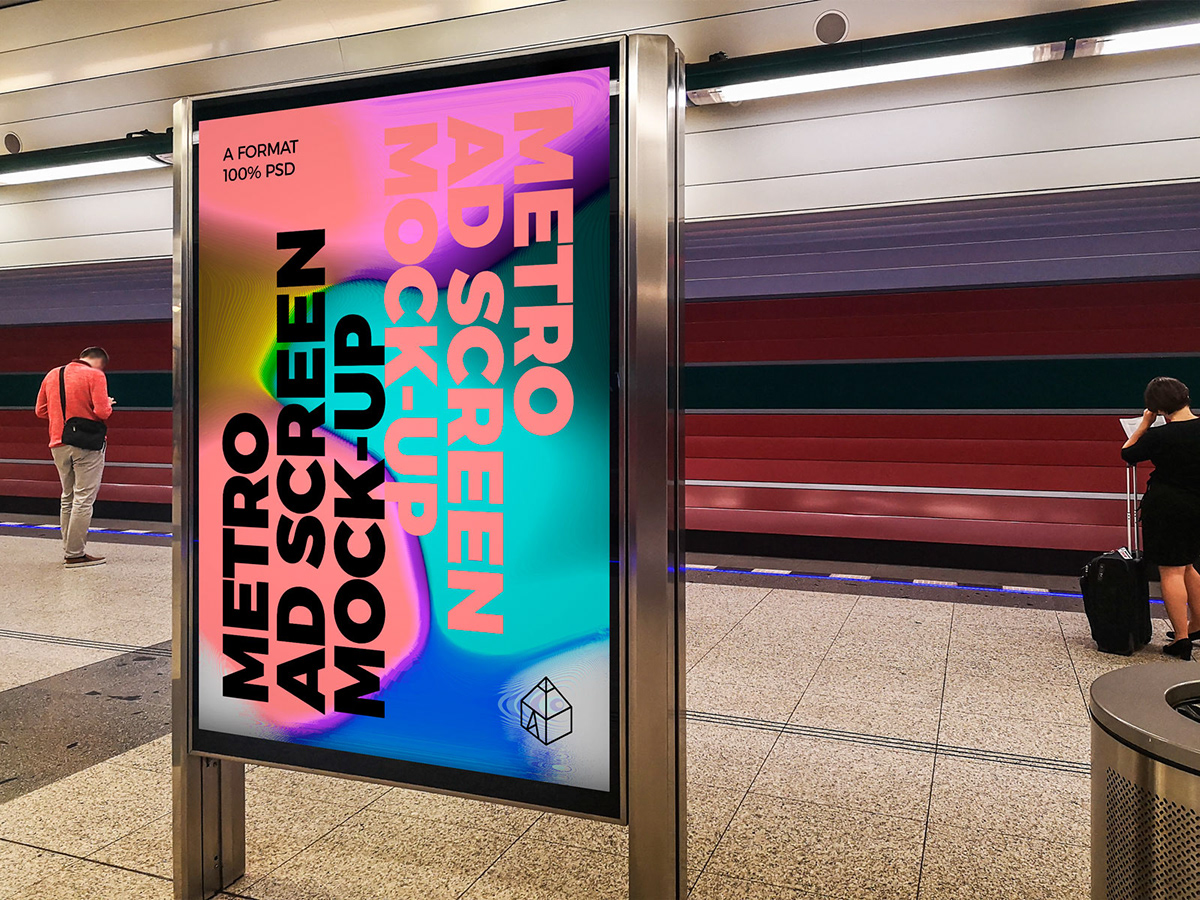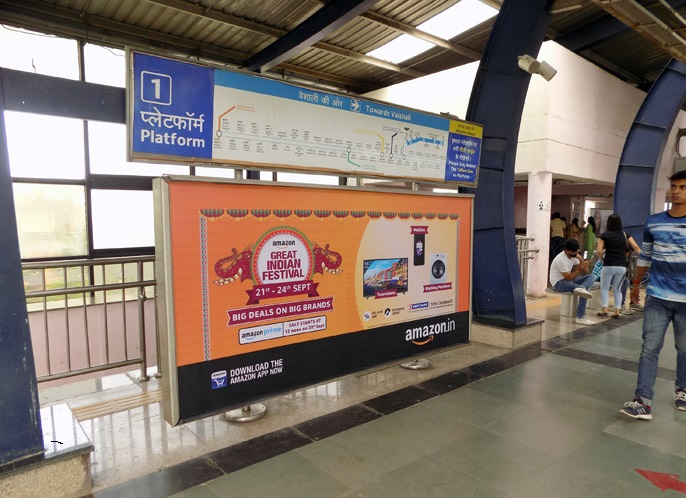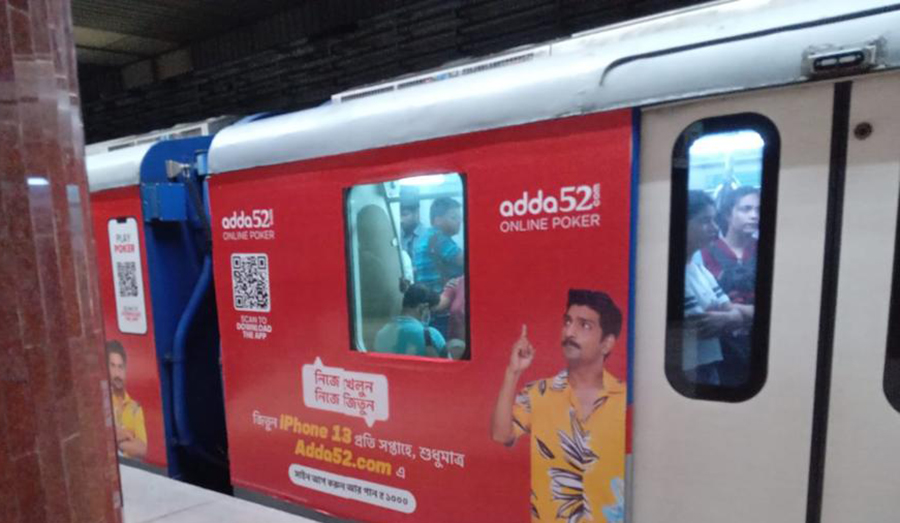
India’s advertising landscape has evolved significantly as urban mobility networks expand and consumer behavior shifts toward daily mass transit. With metros now operating in cities such as Delhi, Mumbai, Chennai, Bengaluru, Hyderabad, Pune, and Kolkata, inside-train advertising has become a highly effective medium for brands. However, many marketers still rely heavily on traditional outdoor media such as hoardings, bus shelters, unipoles, gantries, and road medians.
To understand which format delivers better engagement, it is essential to compare metro inside-train advertising with traditional outdoor media across key performance parameters such as visibility, targeting, dwell time, cost efficiency, and brand impact.
Inside-Train Advertising Provides a Captive and Focused Audience
The biggest strength of metro inside advertising is the captive environment. Commuters spend 10–45 minutes inside a metro coach, depending on the route. During this time, they often sit or stand facing panels, digital screens, overhead displays, and grab-rail ads.
Traditional outdoor media offers high reach but not a captive audience. People often pass hoardings within seconds, especially on highways and busy roads. As a result, inside-train advertising delivers longer exposure and better message retention.

Higher Dwell Time Translates into Stronger Brand Recall
Inside a metro coach, dwell time is significantly higher because the audience cannot avoid their surroundings. They may not consciously look for ads, but they naturally notice them due to proximity and repetition.
In comparison, traditional outdoor media depends on drive-by or walk-by exposure. Although hoardings are large and visually attractive, the viewer engages for only a few seconds. Therefore, metro inside ads excel in creating stronger recall because the message stays in front of the commuter for a longer period.
Better Targeting and Demographic Precision
Metro trains attract urban professionals, office-goers, students, tourists, and middle- to upper-middle-income groups. This demographic is highly suitable for brands in:
-
Technology
-
Finance
-
FMCG
-
Education
-
Healthcare
-
E-commerce
-
Entertainment
Traditional outdoor media reaches a broader but less-defined audience. While this works for mass-market categories, brands looking for specific segmentation find metro advertising more efficient.
Consistent Visibility in All Weather and Lighting Conditions
Inside-train advertising remains effective regardless of weather or time of day. Rain, sunlight, fog, or nighttime do not affect visibility.
Traditional outdoor media often struggles with weather disruptions, poor lighting, and obstruction from buildings or trees. Metro interiors eliminate these challenges, making them more reliable for continuous brand exposure.
More Touchpoints and Creative Flexibility
Metro trains offer multiple areas for branding:
-
Overhead panels
-
Grab handles
-
Seatback branding
-
Door panels
-
LED screens
-
Full interior coach wraps
This variety allows brands to design immersive campaigns that surround commuters from all sides.
Traditional outdoor formats have limited layout flexibility, typically relying on large hoardings or static panels.

Cost Efficiency and Better ROI for Urban Markets
Inside-train advertising often offers lower CPM (cost per thousand impressions) compared to premium outdoor hoardings in busy Indian cities. Hoardings in areas like Connaught Place, Bandra, Koramangala, or T. Nagar are extremely expensive and may not guarantee engaged viewers.
Metro inside advertising, with its captive audience and repeated exposure, often delivers better ROI, especially when brands aim for deeper engagement rather than just visibility.
However, Traditional OOH Still Has Unique Strengths
Despite the advantages of metro ads, traditional outdoor media remains unmatched for:
-
City-wide dominance
-
Large-format impact
-
Long-distance visibility
-
Mass-market targeting
-
Regional penetration in non-metro cities
Therefore, the best strategy often combines both formats for a balanced omnichannel campaign.
Conclusion
Metro inside-train advertising stands out for its focused audience, longer dwell time, high brand recall, and superior engagement. Traditional outdoor media remains essential for large-scale visibility and mass targeting. Together, they form a powerful combination. However, for brands targeting urban, mobile, high-intent consumers, inside-train advertising offers a smarter and more efficient alternative to traditional OOH.