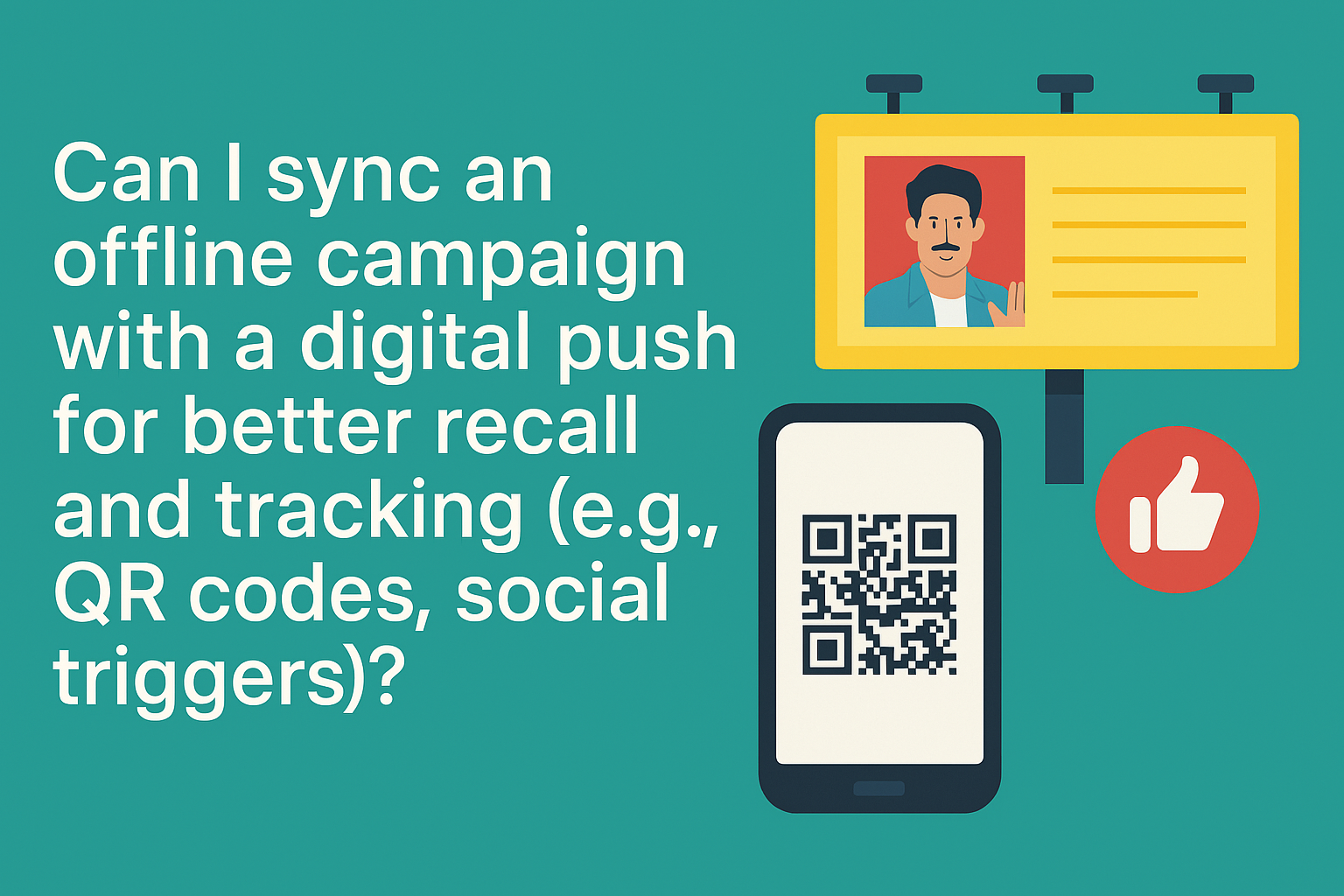
For decades, billboards have been the default choice for outdoor advertising. They are big, bold, and hard to miss. However, consumer attention has changed dramatically. In cluttered urban environments, people often see billboards but rarely notice them. This shift has paved the way for newer formats like Sunpack advertising, where brands integrate into everyday utility rather than competing for visual dominance.
In today’s attention-scarce world, utility-driven media consistently outperforms traditional billboards in recall, engagement, and brand goodwill. Instead of interrupting consumers, Sunpack advertising becomes part of their daily routine—and that changes everything.
What Is Sunpack Advertising?
Sunpack advertising refers to branding on useful, take-home, or functional items distributed at high-footfall locations. These items serve a real purpose in the consumer’s life while carrying brand visibility.
Common Sunpack advertising formats include:
-
Newspaper sleeves and packaging wraps
-
Food delivery and takeaway packs
-
Grocery carry bags
-
Event utility kits and pouches
-
Transit and doorstep-distributed utility packs
Unlike billboards, Sunpack advertising stays with the consumer long after first contact. Therefore, exposure is repeated, personal, and far more meaningful.

Why Billboards Are Losing Attention Value
Billboards still deliver reach, but attention quality has declined.
Key limitations of billboard advertising include:
-
Extremely short exposure time
-
High visual clutter at junctions
-
Passive, non-interactive consumption
-
No physical engagement or takeaway
As a result, many billboard impressions remain glances, not memories. In contrast, Sunpack advertising delivers attention through touch, use, and repetition, which are far stronger memory triggers.
Utility Creates Forced and Willing Attention
One of the biggest advantages of Sunpack advertising is forced attention without irritation.
When a consumer:
-
Opens a newspaper
-
Carries groceries home
-
Uses a delivery pack
-
Keeps a utility pouch
They inevitably interact with the branded surface. This interaction is not avoidable like a billboard glance—but it is also not intrusive. Therefore, utility-driven media achieves what most advertising struggles with: willing attention.
Repetition Without Media Fatigue
Billboards rely on frequency through location repetition. Sunpack advertising relies on usage repetition.
A single Sunpack unit can:
-
Be seen multiple times a day
-
Be used across several days
-
Be shared within households or offices
This natural repetition dramatically increases brand recall. Moreover, because the exposure is linked to usefulness, it does not trigger ad fatigue.
Closer Distance = Higher Recall
Billboards are viewed from a distance. Sunpack advertising is viewed at arm’s length.
Close-proximity exposure leads to:
-
Better logo recognition
-
Higher message comprehension
-
Stronger memory encoding
Research consistently shows that ads seen at close range for longer durations outperform large-format distant media on recall metrics. Sunpack advertising benefits directly from this psychological advantage.
Contextual Relevance Beats Visual Dominance
Sunpack advertising often appears in high-relevance moments:
-
Morning newspaper reading
-
Grocery shopping
-
Food consumption
-
Daily commuting or doorstep delivery
In these moments, the consumer is relaxed and receptive. Billboards, on the other hand, often compete with traffic stress, distractions, and mental overload. Context makes it feel timely and useful rather than promotional.

Stronger Trust and Brand Warmth
Utility-based media builds brand goodwill.
When a brand provides something useful—even indirectly—it creates a subtle sense of gratitude. This emotional response improves:
-
Brand likability
-
Trust perception
-
Willingness to consider the brand later
Billboards rarely generate this emotional lift because they demand attention without offering value. It flips this equation.
Cost Efficiency Beyond CPM
Billboards are often evaluated on CPM.It performs better when evaluated on:
-
Cost per meaningful exposure
-
Cost per household reached
-
Cost per day of visibility

Although the upfront unit cost may seem higher than a single billboard impression, the lifetime exposure value per consumer is significantly higher. This makes it more ROI-positive, especially for FMCG, BFSI, education, retail, and service brands.
Ideal Categories for Sunpack Advertising
Sunpack advertising works especially well for:
-
FMCG and food brands
-
Retail and e-commerce platforms
-
Banks, fintech, and insurance
-
Education and coaching institutes
-
Healthcare and wellness brands
These categories benefit from repeated, trust-based exposure rather than one-time visual impact.
Billboards vs Sunpack Advertising: A Reality Check
| Factor | Billboards | Sunpack Advertising |
|---|---|---|
| Attention Quality | Low–Moderate | High |
| Exposure Time | Seconds | Minutes to Days |
| Interaction | None | Physical & repeated |
| Recall | Short-term | Long-term |
| Brand Warmth | Neutral | Positive |
This is why many brands now use billboards for announcement visibility for memory building.
How Smart Brands Use Sunpack Advertising Strategically
High-performing brands do not replace billboards entirely. Instead, they:
-
Use billboards for scale and launch visibility
-
Use it for depth and recall
-
Layer utility media around events, launches, and city campaigns
This combination ensures both reach and relevance.
Conclusion: Utility Is the New Attention Currency
In conclusion, Sunpack advertising proves that usefulness beats loudness in modern media environments. While billboards still deliver scale, utility-driven media delivers attention, recall, and trust—three outcomes brands struggle to achieve today.
As consumers become more selective about what they notice, advertising that helps rather than interrupts will always win. it succeeds not because it is bigger, but because it is smarter. In the battle for attention, utility is no longer optional—it is the advantage.