Selecting the right media mix is one of the most important decisions you’ll make when planning an advertising strategy. With countless channels—digital, print, TV, radio, out-of-home, and more—spreading your budget too thin can weaken results, while concentrating on the wrong platforms can waste valuable spend.
Below is a step-by-step guide to help you determine the best media mix for your advertising budget, ensuring every dollar works harder toward your goals.
1. Know Your Audience First
Before choosing channels, understand:
-
Who your audience is
-
Where they spend time
-
How they prefer to consume information
Use audience research, analytics, and customer insights to map out the platforms where they are most active and engaged.
2. Define Clear Campaign Goals
Your media mix should match your objective:
-
Brand awareness: TV, online video, social ads, display
-
Lead generation: Search ads, paid social, landing pages, email
-
Sales: Retargeting, eCommerce ads, influencer collaborations
-
Local presence: Radio, out-of-home, geotargeted ads
Define measurable KPIs like CPC, CPM, conversions, or ROAS.
3. Analyze the Strength of Each Channel
Different media serve different purposes:
-
Digital: Precise targeting, measurable, scalable
-
TV/CTV: High reach and emotional storytelling
-
Radio/Audio: Cost-effective, great for local targeting
-
Print: Strong for credibility in niche audiences
-
OOH: High visibility in high-traffic areas
Choose channels that complement each other and support your campaign goals.
4. Evaluate Budget Requirements
Some channels require higher minimum investment:
-
TV and premium publishers often demand larger budgets
-
Social ads, search ads, and influencer marketing allow smaller spend to scale
Match your channels to what your budget can realistically support while still achieving frequency and reach.
5. Combine Channels for Maximum Impact
A powerful media mix blends:
-
Upper-funnel awareness channels (TV, video, social reach ads)
-
Mid-funnel engagement channels (content marketing, search)
-
Lower-funnel conversion channels (retargeting, email)
Using channels together increases message repetition and boosts conversion rates.
6. Test, Measure, and Optimize
A media mix is never “set and forget.”
Use:
-
A/B tests
-
Attribution models
-
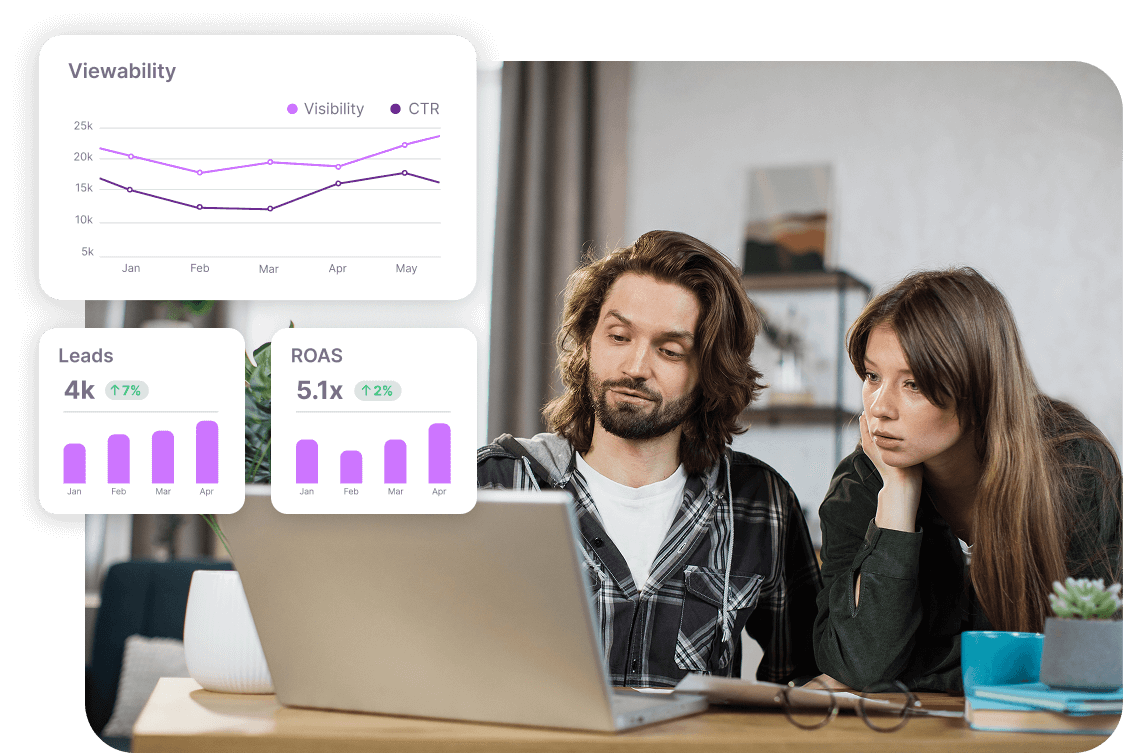
Performance dashboards
-
Incrementality testing
-
Marketing mix modeling (MMM)
Shift budget toward the highest-performing channels and away from underperforming ones.
7. Stay Agile and Adjust for Trends
The media landscape evolves quickly.
Monitor:
-
New platforms (threads, emerging social apps)
-
Shifts in consumer behavior
-
Seasonal changes
-
Competitor activity
Agility allows you to capitalize on opportunities and avoid wasted spend.
Conclusion
Choosing the right media mix for your advertising budget requires a balance of strategy, research, and ongoing optimization. By aligning your audience, goals, channel strengths, and budget considerations, you can build a media plan that maximizes ROI and drives consistent, measurable growth.