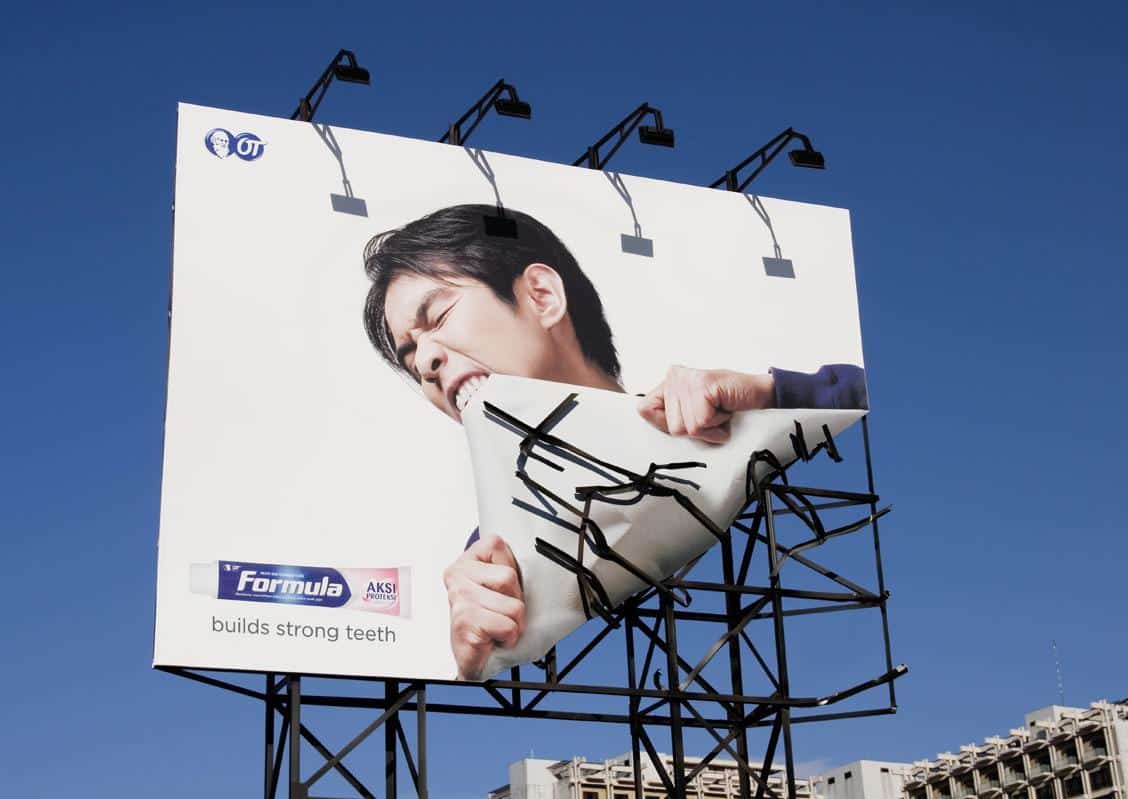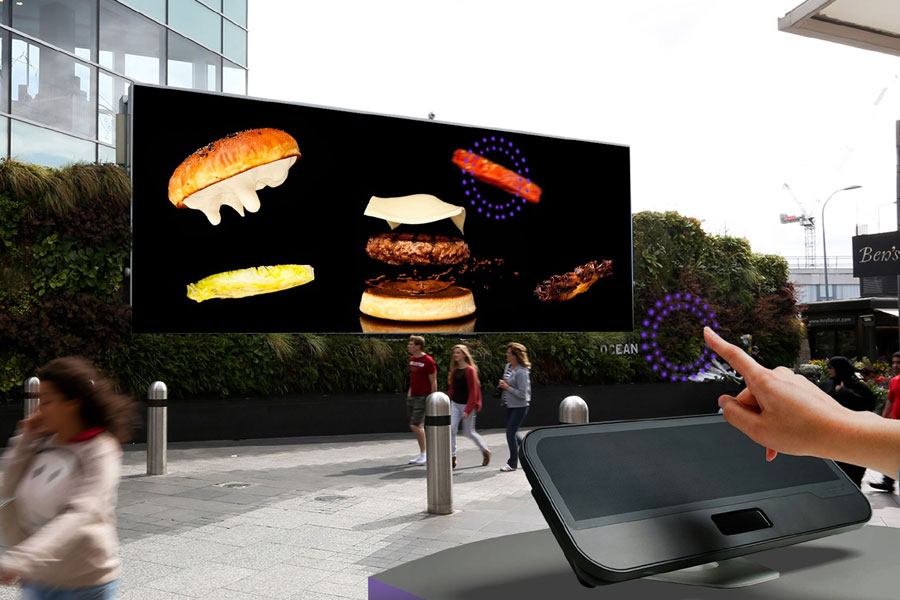
Digital Out-of-Home (DOOH) advertising has transformed traditional outdoor media into a data-driven channel. Unlike static hoardings, digital screens offer measurable performance indicators. As brands increasingly demand accountability, understanding how impressions, dwell time, and attention metrics work for digital OOH screens has become essential for effective media planning.
These metrics help advertisers evaluate not just visibility, but actual exposure quality—making DOOH a strategic component of omnichannel campaigns.
Understanding Measurement in Digital OOH
DOOH measurement differs from digital media metrics such as clicks or views. Since DOOH operates in physical environments, metrics rely on audience movement, visibility probability, and behavioural modelling.
Measurement systems typically combine:
-
Location intelligence
-
Footfall data
-
Traffic flow analysis
-
Screen visibility zones
-
Sensor and camera inputs
Together, these elements estimate audience exposure accurately.

What Are Impressions in Digital OOH?
Definition of Impressions
In DOOH, an impression represents the estimated number of people who had an opportunity to see the screen during a specific time period.
Unlike online impressions, DOOH impressions are opportunity-based rather than action-based.
How DOOH Impressions Are Calculated
Impressions are calculated using:
-
Footfall or traffic count near the screen
-
Average viewing distance and angle
-
Screen size and orientation
-
Ad loop duration and frequency
-
Operating hours
For example, if a screen faces 10,000 daily commuters and an ad appears every 2 minutes, impression estimates are modelled accordingly.
Key Point
Impressions reflect potential visibility, not guaranteed attention. Therefore, additional metrics are required to assess engagement quality.

What Is Dwell Time in DOOH Advertising?
Meaning of Dwell Time
Dwell time refers to the average duration a person remains within the screen’s viewing zone.
This metric is critical in environments such as:
-
Metro stations
-
Airports
-
Mall entrances
-
Lift lobbies
-
Waiting areas
Longer dwell time increases the likelihood of message absorption.
Why Dwell Time Matters
When dwell time exceeds the ad loop length, viewers may see the same creative multiple times. This repetition significantly improves brand recall.
For instance, a 90-second dwell time combined with a 15-second creative results in multiple exposures per viewer.
What Are Attention Metrics in Digital OOH?
Understanding Attention Measurement
Attention metrics estimate how many people actually look at the screen, not just pass by it.
These metrics go beyond impressions and dwell time by evaluating visual engagement.
How Attention Is Measured
Attention is measured using:
-
Computer vision technology
-
Anonymous camera-based gaze detection
-
Eye-tracking modelling
-
Motion and orientation analysis
These systems do not identify individuals but assess viewing behaviour patterns.
Attention-Based Metrics Include
-
Attention seconds
-
Average gaze duration
-
Percentage of attentive audience
-
Opportunity-to-see ratio
These indicators provide deeper insight into campaign effectiveness.
Difference Between Impressions, Dwell Time, and Attention
| Metric | Measures | Purpose |
|---|---|---|
| Impressions | Opportunity to see | Reach estimation |
| Dwell Time | Time spent near screen | Exposure quality |
| Attention | Actual viewing behaviour | Engagement depth |
Together, these metrics provide a complete performance framework.
Why Attention Metrics Matter More Today
In cluttered media environments, visibility alone is insufficient. Brands increasingly seek attention quality rather than audience quantity.
DOOH attention metrics allow planners to:
-
Compare screen performance
-
Optimise creative length
-
Select high-engagement locations
-
Improve ROI forecasting
As a result, attention-based planning is becoming the new standard.
Role of Programmatic DOOH in Measurement
Programmatic DOOH platforms integrate real-time data to optimise delivery.
They enable:
-
Time-based targeting
-
Peak-hour optimisation
-
Contextual messaging
-
Performance-led scheduling
This ensures ads appear when attention probability is highest.
How Brands Use These Metrics for Campaign Planning
Brands leverage DOOH metrics to:
-
Select high-dwell transit environments
-
Adjust creative durations
-
Improve frequency planning
-
Align DOOH with mobile retargeting
-
Measure uplift across channels
This data-driven approach enhances accountability.
Limitations and Considerations
While DOOH measurement is advanced, it remains model-based.
Factors such as weather, crowd behaviour, and urban movement can influence outcomes. Therefore, metrics should be interpreted as probabilistic rather than absolute.
However, standardisation frameworks continue improving reliability.
The Future of DOOH Measurement
The industry is steadily moving toward attention-based currency models. Integration with mobile data, AI modelling, and privacy-safe sensors will further enhance precision.
As a result, DOOH will increasingly align with digital performance expectations while retaining physical-world impact.
Conclusion
Understanding how impressions, dwell time, and attention metrics work for digital OOH screens enables brands to plan smarter, measure better, and optimise continuously.
By combining reach, exposure quality, and engagement indicators, DOOH offers a transparent and accountable advertising environment—bridging the gap between physical visibility and measurable impact.