📰 How Does In-Movie Brand Marketing Influence Consumer Perception and Buying Behavior?
🎬 The Subtle Power of In-Movie Brand Marketing
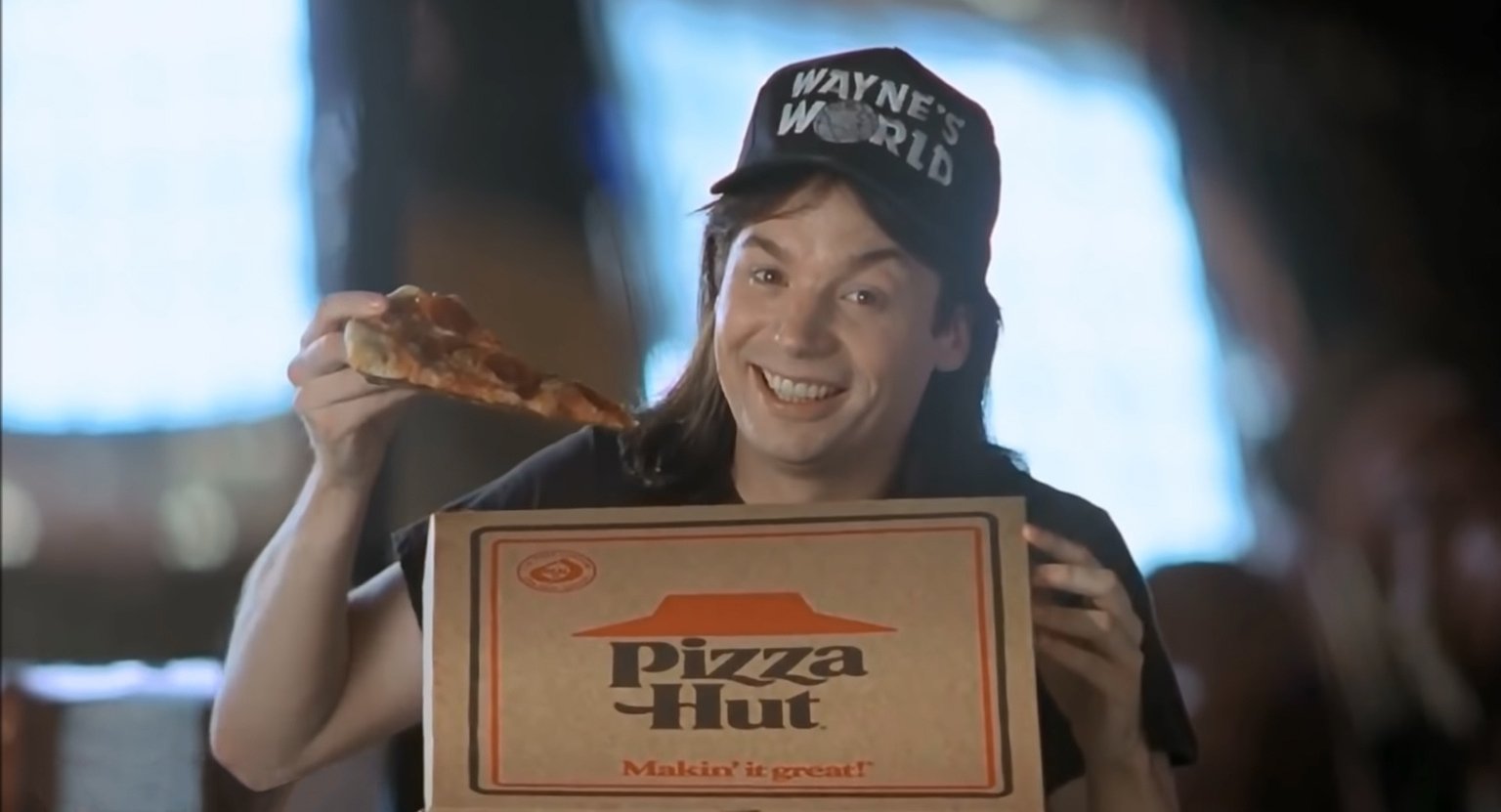
When you watch your favorite movie and see a character sipping a Coca-Cola, driving a BMW, or using an Apple iPhone, you’re witnessing one of the most effective marketing tools of our time — in-movie brand marketing. Unlike traditional advertising that directly calls for attention, product placement blends brands seamlessly into storytelling, influencing how audiences perceive them without even realizing it.
💡 How Product Placement Shapes Consumer Perception
In-movie brand marketing works because of association and emotion. When a brand becomes part of a memorable scene or a beloved character’s lifestyle, it subconsciously gains credibility, desirability, and relevance.
- Emotional Association: Viewers begin to link the brand with the emotions they feel during that moment — excitement, love, or success.
- Authenticity Boost: When integrated naturally into a film’s narrative, the brand appears more authentic and relatable, not forced.
- Aspirational Value: Seeing a favorite star use a particular product often drives aspirational buying behavior, especially among younger audiences.

🧠 Storytelling That Drives Brand Loyalty
A successful product placement is more than just visibility — it’s about context and character connection. For instance, when Tony Stark uses an Audi in Iron Man, it’s not random — it reinforces Audi’s image as futuristic, sleek, and powerful. This kind of storytelling can transform casual viewers into brand advocates.
Moreover, brands that align their on-screen appearances with the movie’s themes and audience psyche tend to build long-term brand loyalty. The audience doesn’t just remember the product — they remember how it made them feel.
🎯 The Buying Behavior Impact
Studies show that audiences exposed to product placements are:
- 43% more likely to recall the brand post-viewing
- 28% more likely to make a purchase decision influenced by their favorite movie moments
- Highly responsive when the brand message aligns with their entertainment experience
Essentially, cinematic storytelling acts as emotional advertising, turning screen moments into real-world buying cues.
🚀 The Future of Film-Based Brand Integration
With OTT platforms and AI-driven analytics, in-movie marketing is becoming more data-driven and personalized. Brands can now measure engagement, recall, and even post-viewing purchase actions with precision. Expect to see interactive and shoppable product placements in the near future — where a viewer can buy what they see on screen with a single click.

🌟 Final Takeaway
In-movie brand marketing is no longer just background advertising — it’s a storytelling art that influences perception, sparks desire, and drives action. When done right, it turns a simple product into part of a cinematic legacy.