Marketing teams often struggle to balance long-term brand presence with short-term performance goals. The challenge grows when they must divide budgets across radio, TV and DOOH. Each medium plays a different role in the consumer journey. Yet, when used together, they can deliver powerful results.
Below is a clear guide on how marketers can build smarter budget splits for both presence and performance.
1. Start With the Brand’s Growth Stage
A brand’s stage influences its ideal budget mix.
New brands need stronger presence because consumers do not recognise them yet. As a result, they should invest heavily in radio, TV and high-traffic DOOH to build familiarity.
However, established brands can shift a larger share toward performance channels. Their awareness is already strong, so consumers respond faster to direct calls-to-action.
2. Define the Objective for Each Medium
Different media channels create different outcomes.
TV builds emotional connection and mass reach. It works best for presence.
Radio boosts frequency and recall, especially during commute hours. Although it helps with presence, it can support performance through tactical messaging.
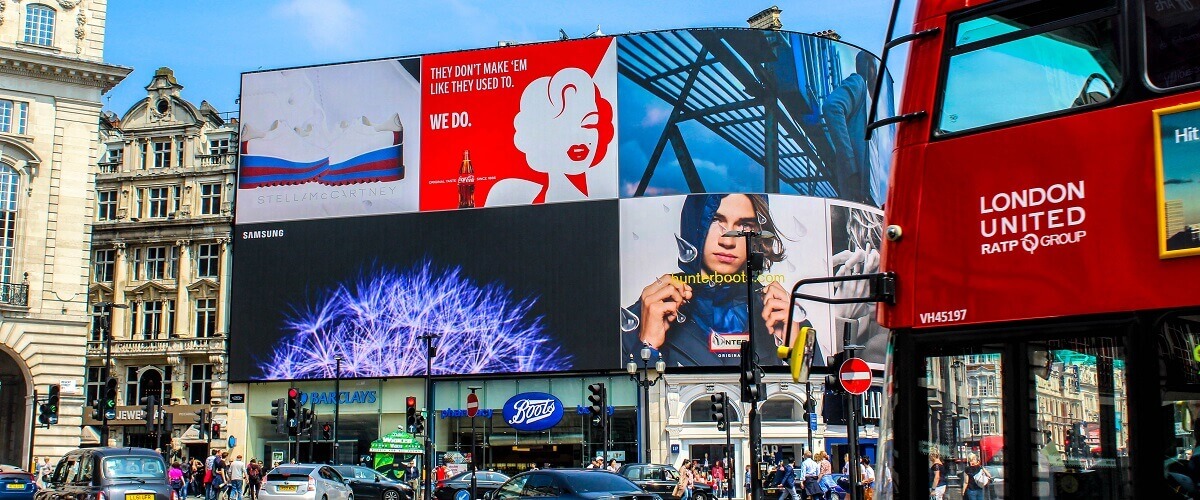
DOOH offers high visibility and dynamic targeting. It performs well for both presence and performance, especially in high-dwell zones.
Because each medium behaves differently, marketers should assign budgets based on the expected output—not on equal splits.
3. Ideal Budget Split Framework
Although every brand is unique, marketers can use a simple guideline:
For new or growing brands:
-
Presence: 70%
-
Performance: 30%
TV receives the biggest presence share. Radio and DOOH support recall. DOOH also handles some performance messaging.
For mid-stage brands:
-
Presence: 60%
-
Performance: 40%
Invest in TV for story-building, radio for repetition and DOOH for context-sensitive triggers.
For well-known or mature brands:
-
Presence: 50%
-
Performance: 50%
Here, DOOH becomes important because its data-driven targeting can prompt immediate action. TV takes a lighter share, while radio amplifies local reach.
This framework helps marketers match spending with brand maturity.
4. Use Data to Optimise Each Medium
Data closes the gap between presence and performance.
Marketers should use TV viewership data, radio listenership patterns and DOOH footfall analytics. These inputs reveal how consumers move across touchpoints.
With this insight, brands can shift budgets based on actual impact rather than assumptions. For example, high-impact DOOH at airports may deliver both presence and performance. Because of this, marketers can increase spending there without affecting TV budgets.
5. Match Creative Messages With the Objective
Presence and performance need different creative styles.
Presence content focuses on brand story, values and trust. TV and radio excel at this.
Performance content demands clarity, urgency and a direct ask. Dynamic DOOH and short radio spots work well here.
When both creative types align with the media plan, budgets perform better.
6. Rebalance Budgets Every Quarter
Consumer behaviour changes fast. Therefore, budget splits need frequent reviews.
Marketers should track reach, recall, footfall uplift and conversions. If a medium performs better than expected, they can reallocate budgets quickly. This flexible approach protects ROI in uncertain conditions.
Final Word
Balancing presence and performance is not a fixed formula. It is a continuous optimisation cycle. When marketers define objectives clearly and use TV, radio and DOOH smartly, they can build stronger brands while driving measurable results.