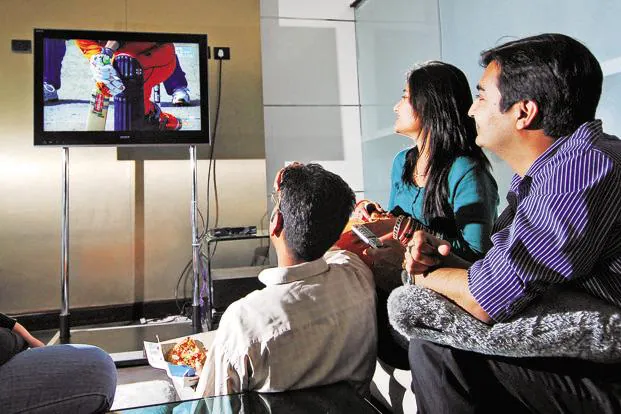
The media landscape in India is rapidly shifting. With streaming platforms, mobile apps, and on-demand video services capturing increasing attention, traditional TV advertising is being challenged to adapt, integrate, and innovate. Yet, for Indian brands, TV remains a powerful tool for mass reach, storytelling, and brand credibility—especially when combined with digital strategies.
1. TV as a Mass-Reach Medium
Despite the growth of digital platforms, TV continues to command significant viewership across urban and rural India.
-
National channels offer broad audience coverage, reaching millions simultaneously during prime-time shows and events.
-
Regional channels help brands connect with local audiences in vernacular languages, maintaining relevance across tier-2 and tier-3 cities.
Implication: TV advertising remains essential for brands seeking scale and unified messaging, complementing niche digital targeting.
2. Integrating TV and Digital for Omnichannel Impact
TV is no longer a standalone medium. Successful campaigns integrate TV with digital touchpoints:
-
Synchronized campaigns: Run TV ads alongside YouTube, social media, or OTT ads for reinforced messaging.
-
Second-screen engagement: Encourage viewers to interact with content or promotions via mobile apps while watching TV.
-
Cross-platform analytics: Track viewer response online to gauge TV ad effectiveness in real time.
Result: Brands achieve higher recall, engagement, and conversion rates by blending traditional TV and mobile/digital strategies.
3. Storytelling and Emotional Engagement
TV allows brands to deliver longer narratives that build emotional connections.
-
Story-driven campaigns leverage high-quality production, music, and visuals to enhance brand recall.
-
Prime-time slots during events like IPL, award shows, or popular serials enable advertisers to create cultural moments.
-
Emotional storytelling encourages social sharing, extending TV’s impact into digital conversations.
Takeaway: TV remains the medium of choice for creating aspirational, memorable brand stories.
4. Data-Driven Targeting and Personalization
With the rise of addressable TV and hybrid broadcast-broadband models, brands can now:
-
Deliver targeted ads to specific households based on demographics, location, and viewer behavior.
-
Optimize campaigns in real time by monitoring TRPs, engagement, and incremental sales metrics.
-
Test different creative versions to determine which resonates best with urban versus rural audiences.
This evolution allows TV advertising to match the precision of digital campaigns without losing its mass-reach advantage.
5. Leveraging TV for Brand Credibility
In India, TV continues to be seen as a credible and trusted medium, especially for FMCG, automotive, and lifestyle brands. Being on TV:
-
Signals brand legitimacy and quality, influencing purchase decisions.
-
Supports multi-channel campaigns, reinforcing brand presence across digital, retail, and OOH touchpoints.
Insight: TV helps brands anchor their marketing ecosystem, providing credibility that complements digital campaigns.
Conclusion
The role of TV advertising in India is evolving, not declining. While streaming and mobile platforms capture fragmented attention, TV offers scale, storytelling, credibility, and integration opportunities. For Indian brands, the most effective strategy is a hybrid approach, combining the mass reach of TV with the precision and interactivity of digital platforms. By leveraging these strengths, brands can remain relevant, drive engagement, and sustain market impact in a rapidly changing media environment.