Influencer Marketing for BFSI, Healthcare, and Education: What Changes and Why is a crucial topic as influencer-led campaigns expand into high-trust and regulated industries. While influencer marketing originally thrived in lifestyle, fashion, and entertainment categories, its role has evolved significantly in sectors where credibility directly impacts decision-making.
BFSI, healthcare, and education brands deal with sensitive consumer choices. Therefore, influencer strategies in these sectors focus less on popularity and more on authority, accuracy, and long-term trust. As a result, brands must rethink creator selection, content formats, and success metrics to ensure sustainable ROI.
Why Influencer Marketing Needs a Different Approach in Regulated Sectors
Influencer marketing in BFSI, healthcare, and education operates under stricter scrutiny. Unlike FMCG campaigns that thrive on impulse, these categories involve high-involvement decisions. Consequently, consumers expect clarity, honesty, and proof rather than hype.
Moreover, regulatory oversight further limits exaggerated claims. Therefore, influencers act as educators and facilitators rather than brand promoters. This shift fundamentally changes how campaigns are planned, executed, and evaluated.
Influencer Marketing for BFSI: Education Over Endorsement
Influencer marketing for BFSI prioritises financial literacy, transparency, and risk awareness. Banks, NBFCs, insurance companies, and fintech platforms prefer influencers who can explain complex products in simple language.
Typically, BFSI influencers include:
-
Personal finance educators
-
Investment analysts
-
Fintech reviewers
-
Chartered professionals
Instead of promotional messaging, content focuses on concepts such as credit scores, loan planning, insurance coverage, and digital banking safety. As a result, audiences perceive the brand as a trusted advisor rather than a seller.

Furthermore, BFSI brands often opt for long-term collaborations. Repeated exposure builds familiarity, which strengthens trust and improves conversion quality over time.
Influencer Marketing for Healthcare: Responsibility and Credibility First
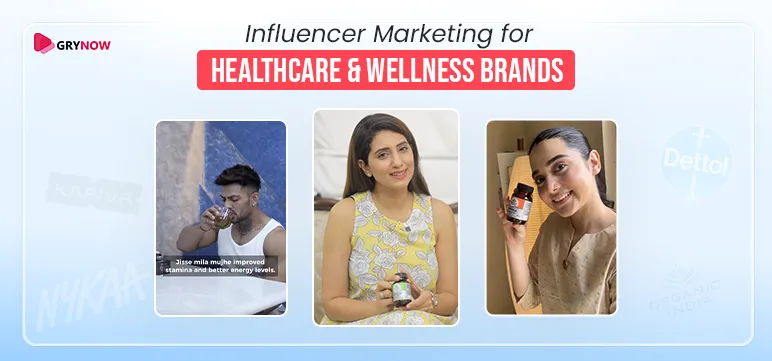
Influencer marketing for healthcare demands the highest level of accuracy and ethical responsibility. Health-related misinformation can damage both consumers and brands. Therefore, influencer selection is tightly controlled.
Healthcare influencers usually include:
-
Doctors and medical professionals
-
Certified fitness and wellness experts
-
Patient advocates with lived experience
Content emphasises awareness, prevention, and informed decision-making rather than product promotion. For instance, hospitals and healthcare brands focus on symptom education, treatment journeys, and wellness tips.
Additionally, healthcare influencer campaigns rely heavily on disclaimers and compliance checks. As a result, credibility outweighs creativity, ensuring messaging remains trustworthy and compliant.
Influencer Marketing for Education: Authority Meets Aspiration
Influencer marketing for education blends subject authority with aspirational storytelling. Students and parents seek outcomes, guidance, and relatability. Therefore, brands collaborate with educators who can demonstrate real learning value.
Common education influencers include:
-
Teachers and exam mentors
-
EdTech educators
-
Career coaches
-
Student achievers
Content formats often include tutorials, exam strategies, career advice, and success stories. Consequently, educational influencer content remains relevant for long periods, delivering consistent organic engagement.

Moreover, education brands benefit from community-driven influence, where trust grows through repeated interactions rather than one-off campaigns.
How Content Strategy Changes Across BFSI, Healthcare, and Education
One major shift in influencer marketing for BFSI, healthcare, and education is tone. Messaging becomes informative and reassuring rather than promotional. Instead of urgency, brands focus on clarity and outcomes.
Additionally, preferred content formats include:
-
Explainer videos
-
Educational reels
-
Long-form YouTube content
-
Q&A and live sessions
Therefore, influencers are encouraged to simplify rather than sensationalise. This approach enhances credibility and long-term brand recall.
Platform Selection and Channel Priorities
Platform strategy also evolves for these sectors. While Instagram supports awareness, long-form platforms drive deeper engagement.
For example:
-
YouTube performs well for BFSI explainers and education tutorials
-
LinkedIn suits BFSI thought leadership and healthcare credibility
-
Instagram works for simplified awareness content

As a result, omnichannel influencer strategies deliver better performance than single-platform campaigns.
Why ROI Measurement Looks Different in These Categories
ROI in regulated sectors is rarely immediate. Instead of instant sales, brands track trust-based indicators.
Key metrics include:
-
Lead quality and intent
-
Consultation or enquiry rates
-
Content watch time
-
Repeat engagement
Therefore, influencer marketing success is measured over months rather than days. This long-term view aligns better with the customer decision cycle in BFSI, healthcare, and education.
Conclusion
Influencer Marketing for BFSI, Healthcare, and Education: What Changes and Why highlights the evolution of influencer strategies in trust-driven industries. These sectors demand expertise, responsibility, and sustained credibility.
By focusing on authority over popularity and education over promotion, brands can unlock meaningful, long-term influencer ROI. Consequently, marketers who adapt their approach to category realities will outperform those using generic influencer playbooks.