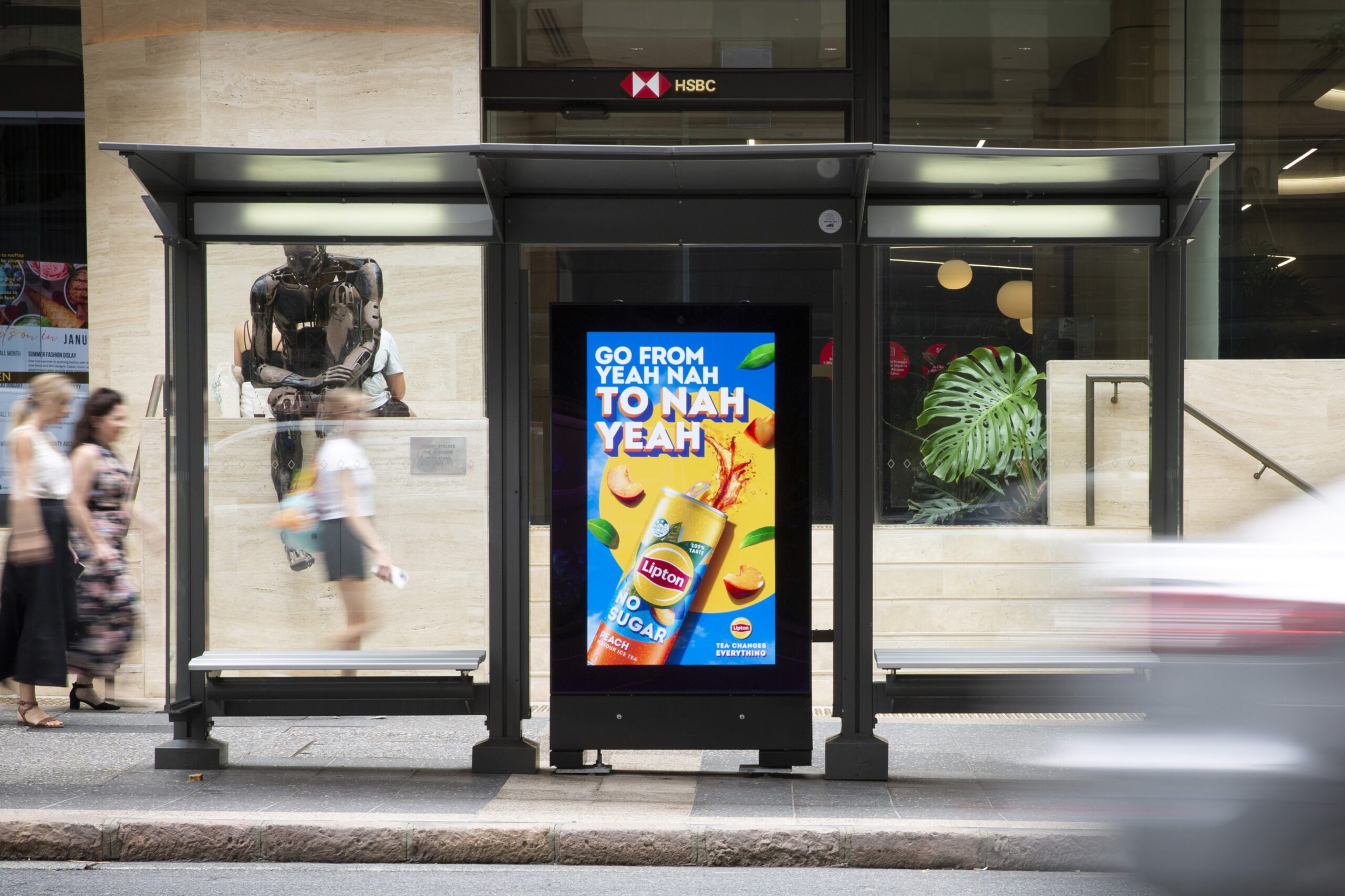
In recent years, Interactive Bus Shelter Installs have emerged as a powerful format in out-of-home (OOH) advertising. As brands compete for consumer attention in cluttered urban spaces, bus shelters have evolved from passive waiting zones into immersive brand experiences. By combining creativity, technology, and dwell-time engagement, advertisers are turning everyday commuter moments into memorable interactions.
In 2024, this trend gained global momentum. Brands increasingly leveraged touchscreens, motion sensors, augmented reality, gamification, and live interactions to create campaigns that were not only seen but actively experienced. As a result, bus shelters became high-impact micro-environments for storytelling and engagement.
Why Bus Shelters Are Ideal for Interactive Advertising
Bus shelters offer a unique advantage: guaranteed dwell time. Commuters typically spend several minutes waiting, making this environment ideal for interaction-based campaigns. Unlike billboards viewed in passing, bus shelter advertising allows brands to hold attention longer and encourage participation.

Moreover, these shelters are located in high-footfall urban areas, ensuring consistent exposure. When enhanced with interactive elements, they shift consumer behavior from passive viewing to active involvement. Consequently, brands can create stronger recall and emotional connection.
Because of this, Interactive Bus Shelter Installs are now viewed as premium OOH assets rather than basic transit media.
Types of Interactive Bus Shelter Installations
Interactive bus shelter campaigns vary widely in execution, depending on the brand’s objective and target audience. Some common formats include:
-
Touchscreen Experiences: Allowing users to browse products, play games, or explore content while waiting.
-
Motion and Gesture-Based Interactions: Screens respond to body movement, creating surprise and delight.
-
Augmented Reality (AR): Shelters simulate virtual environments or overlays, transporting commuters into branded worlds.
-
Gamified Engagement: Simple games or challenges that reward participation with coupons or social media shares.
-
Utility-Based Interactions: Installations offering real-time information, charging points, or weather updates while subtly integrating brand messaging.
Each format increases dwell time and encourages social sharing, thereby extending campaign reach beyond the physical location.
Creativity Meets Technology in Experiential Transit Media
The success of Interactive Bus Shelter Installs lies in the seamless integration of creativity and technology. While technology enables interactivity, creativity ensures the experience feels intuitive and enjoyable. For example, brands have transformed shelters into virtual fitting rooms, immersive storytelling zones, or playful environments that react to commuter actions. These experiences often blur the line between advertising and entertainment. As a result, audiences willingly engage rather than avoid the message.

Furthermore, interactive shelters often collect anonymized engagement data. This helps advertisers measure interaction rates, dwell time, and engagement patterns, making experiential OOH more accountable than ever before.
Global Adoption and Campaign Innovation
Globally, cities such as London, Paris, New York, Singapore, and Dubai have seen a surge in interactive bus shelter campaigns. Brands across FMCG, entertainment, automotive, and technology sectors have adopted this format to create buzz-worthy activations.
In many cases, these campaigns extended beyond the shelter itself. Social media amplification played a key role, as commuters recorded and shared their experiences online. Therefore, a localized bus shelter install often delivered national or even global visibility.
As urban infrastructure modernizes, municipalities and advertisers are increasingly open to innovative transit advertising formats. This openness has accelerated the adoption of experiential bus shelter campaigns worldwide.
Benefits of Interactive Bus Shelter Installs for Brands
The impact of Interactive Bus Shelter Installs goes beyond visibility. Key benefits include:
-
Higher engagement compared to static transit ads
-
Stronger brand recall due to experiential involvement
-
Increased dwell time and message absorption
-
Social media amplification through user-generated content
-
Measurable interaction and performance metrics
Because of these advantages, interactive bus shelters are becoming an essential part of integrated OOH and experiential marketing strategies.
The Future of Interactive Bus Shelter Advertising
Looking ahead, the future of interactive bus shelter advertising lies in smarter, more personalized experiences. With advancements in AI, sensors, and programmatic DOOH, shelters will soon adapt content based on time, audience density, or contextual triggers.
Additionally, sustainability and smart-city integration will play a growing role. Interactive shelters may double as information hubs, mobility touchpoints, or community engagement platforms—while still delivering impactful brand messaging.
As consumer expectations evolve, Interactive Bus Shelter Installs will continue to redefine how brands engage audiences in public spaces.
Conclusion
Interactive Bus Shelter Installs have transformed transit advertising into an engaging, experience-led medium. By leveraging dwell time, creativity, and technology, brands can create meaningful interactions that resonate far beyond the bus stop. In an era where attention is the most valuable currency, these experiential touchpoints prove that outdoor advertising can be both innovative and deeply engaging.