As Indian cities become smarter, faster, and more connected, brands are constantly evaluating which advertising mediums deliver the strongest impact. Two of the most influential urban platforms today are metro platform advertising and digital billboards (DOOH) placed along highways, malls, and city centres. While both are powerful, their impact differs based on audience behaviour, dwell time, visual environment, and commuter mindset.
To help marketers choose smarter, here is a detailed comparison of both mediums—and why metro platform advertising often delivers stronger engagement for urban commuters.
Metro Platforms Provide High Dwell Time and Captive Attention
One of the biggest advantages metro platforms offer is longer dwell time. Commuters typically wait 5–15 minutes for trains, giving them extended exposure to nearby ads. In contrast, digital billboards outdoors are often viewed for 3–5 seconds as people walk or drive past.
This prolonged exposure in metro stations leads to:
-
Better message recall
-
Higher brand memorability
-
Stronger emotional connection
-
More time for detailed storytelling
For brands launching new products or explaining services, metro platforms provide a much richer engagement window.
Zero Distraction Environment Improves Ad Effectiveness
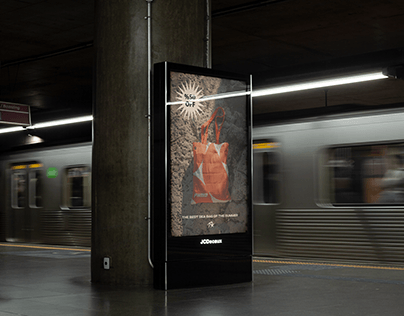
Metro platforms offer a controlled, clutter-free environment. With clean walls, structured lighting, and focused movement patterns, commuters naturally notice brand messages.
Digital billboards outdoors compete with:
-
Traffic movement
-
Street vendors
-
Buildings and environmental clutter
-
Multiple signboards
Inside metro stations, the visual environment is simplified, which boosts ad visibility and reduces distractions.
Better Targeting of Premium, Urban, Tech-Savvy Audiences
Metro commuters in Indian metropolitan cities like Delhi, Mumbai, Bengaluru, Hyderabad, and Chennai usually represent:
-
Working professionals
-
Students
-
Shoppers
-
Office commuters
-
App-first, mobile-heavy consumers
This makes metro platforms ideal for:
-
Fintech
-
E-commerce
-
Fashion & retail
-
EdTech
-
Real estate
-
D2C brands
Digital billboards reach a wider but less refined audience mix, reducing targeting precision.
Higher Frequency Through Daily Repetition
Metro commuters typically travel the same route every day. This repetition reinforces brand memory far more efficiently than outdoor digital billboards, which rely on passing traffic that may not be consistent.
Platform ads benefit from:
-
Same commuter viewing ads twice daily
-
Multi-week repetition
-
City-wide station clusters for cumulative reach
Frequency is one of the strongest contributors to long-term brand recall.
Multiple Creative Format Options Increase Impact
Metro platforms offer unique advertising spaces:
-
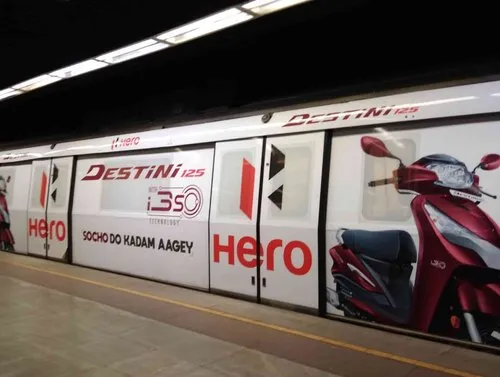
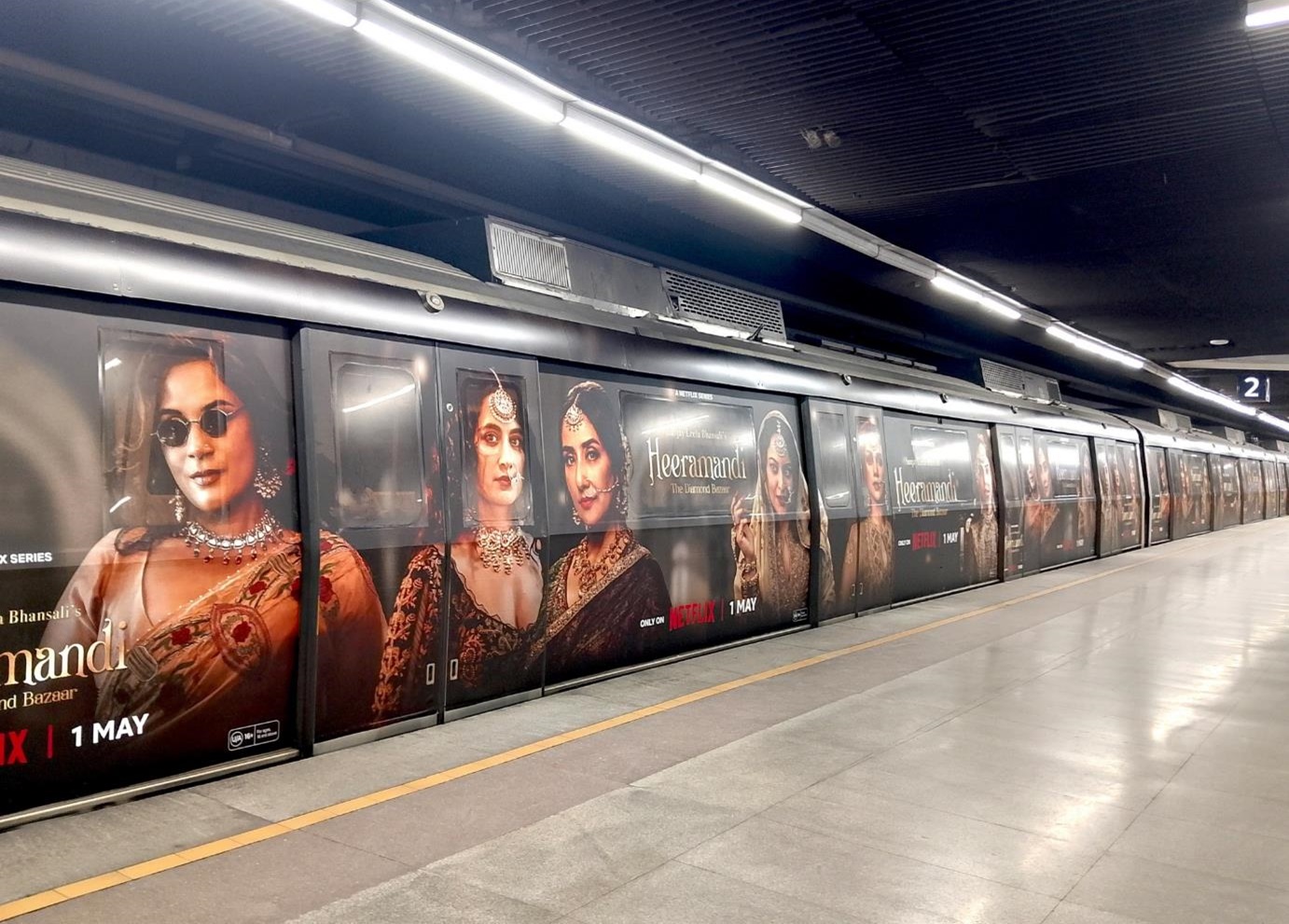
Platform screen doors
-
Backlit panels
-
Digital screens
-
Escalator and stair branding
-
Pillar branding
-
Entry/exit gate panels
-
Full station domination
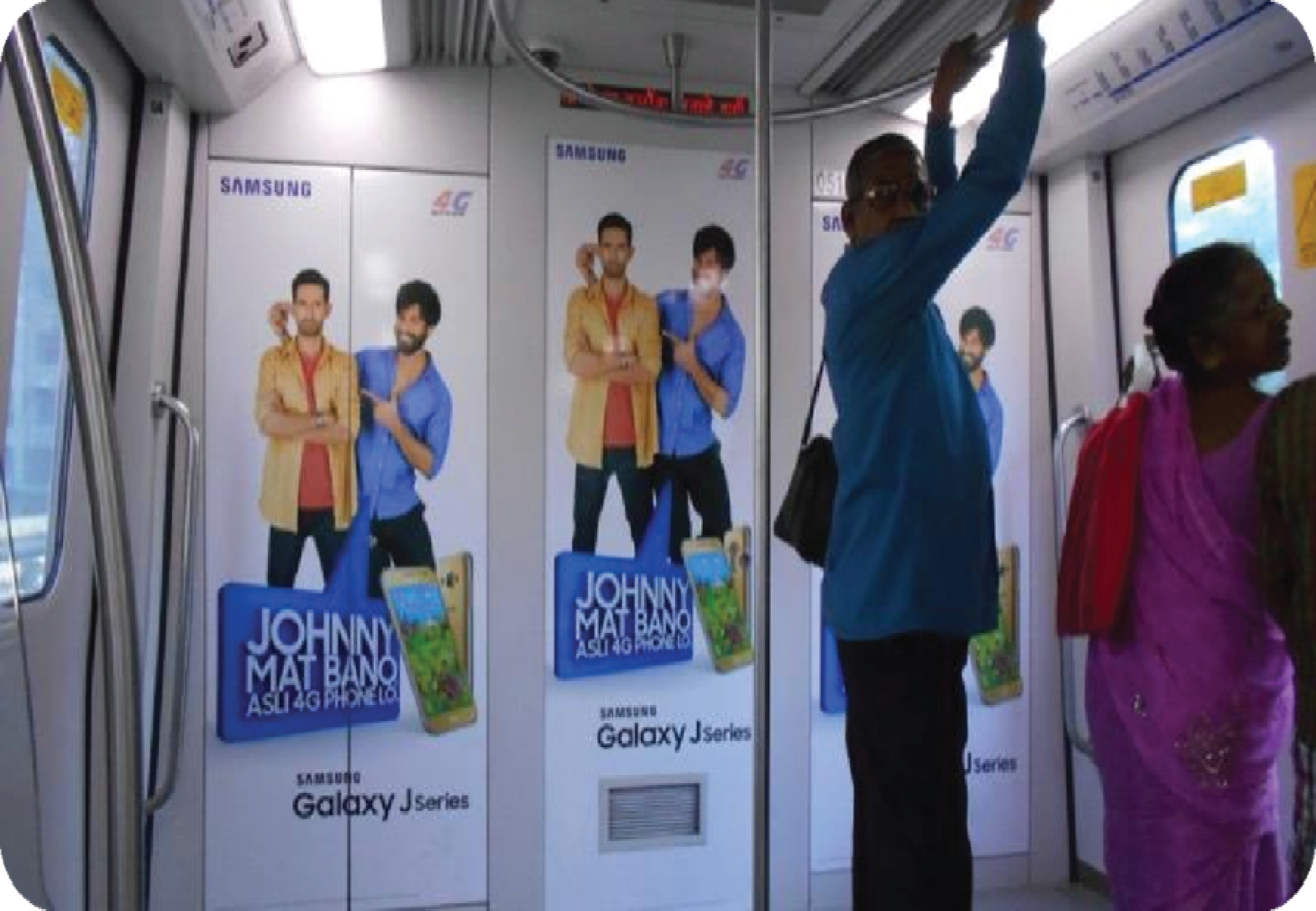
This creative variety makes campaigns visually immersive.
Digital billboards, on the other hand, primarily rely on large LED screens, limiting creative experimentation.
Programmatic DOOH Integration Works in Both—but Metro Delivers Better Engagement
Both metro platforms and digital billboards support programmatic DOOH technology. However, metro DOOH screens offer:
-
Higher dwell time
-
Closer viewing distance
-
Better contextual relevance
-
Controlled lighting for brighter visibility
Outdoor digital screens may suffer from glare, weather impact, or visibility issues during daylight.
Cost Efficiency Trends Favor Metro Platforms for Long-Term Branding
While metro platform advertising can be more expensive per location, it often delivers better cost-per-impression (CPI) due to:
-
High footfall concentration
-
Stronger frequency
-
Precise targeting
-
Minimal wastage
Digital billboards provide massive city-wide visibility but may have lower conversion-to-recall rates.
When Digital Billboards Outperform Metro Platforms
To be fair, digital billboards can outperform metro ads in certain goals:
-
Mass city-wide visibility
-
Short-term awareness
-
High-impact large-screen visuals
-
24/7 outdoor presence
But for urban commuters, metro platforms deliver a more immersive, high-retention experience.
Conclusion: Metro Platform Advertising Wins for Commuter Impact
For the urban commuter category, metro platform advertising is generally more impactful than digital billboards because of:
-
Longer dwell time
-
High-frequency exposure
-
Captive attention
-
Premium audience profile
-
Multiple creative formats
-
Controlled environment
-
Better recall and engagement
Digital billboards remain unmatched for city-wide scale and visibility, but if the goal is to target daily commuters with high precision and maximum retention, metro platforms deliver superior ROI.