How Micro-Influencers Drive Offline Sales Better Than Digital Clicks is becoming a defining insight for brands that rely on physical stores, local services, and on-ground conversions. While digital marketing often prioritises clicks, impressions, and online conversions, real business growth for many categories still happens offline.
Micro-influencers, with their smaller yet highly engaged audiences, are proving more effective at influencing real-world purchasing decisions. Therefore, brands are increasingly recognising that influence does not end at the screen. Instead, it extends into stores, showrooms, clinics, and campuses.
Why Digital Clicks Do Not Always Translate Into Sales
Digital clicks indicate interest, but they do not guarantee intent. Many users click out of curiosity, boredom, or algorithmic nudges. As a result, click-through rates often fail to reflect actual buying behaviour.
Moreover, ad fatigue and banner blindness reduce the effectiveness of traditional digital ads. Consumers may engage online but hesitate to complete purchases, especially in high-involvement categories. Therefore, brands need trust-led nudges that influence real-world decisions.
This is where micro-influencers create a measurable difference.
How Micro-Influencers Build Stronger Local Trust
Micro-influencers usually operate within specific geographies, communities, or interest groups. Their followers often see them as peers rather than aspirational celebrities. Consequently, their recommendations carry higher credibility.
When a micro-influencer talks about a nearby store, clinic, restaurant, or institution, the message feels personal and actionable. As a result, audiences are more likely to visit the location instead of merely clicking a link.
Additionally, repeated exposure within a local context strengthens recall. This trust directly impacts offline footfall.
How Micro-Influencers Drive Offline Sales Through Word-of-Mouth Effect
How micro-influencers drive offline sales better than digital clicks becomes evident through behavioural influence. Micro-influencer content often sparks conversations among friends, family, and colleagues.
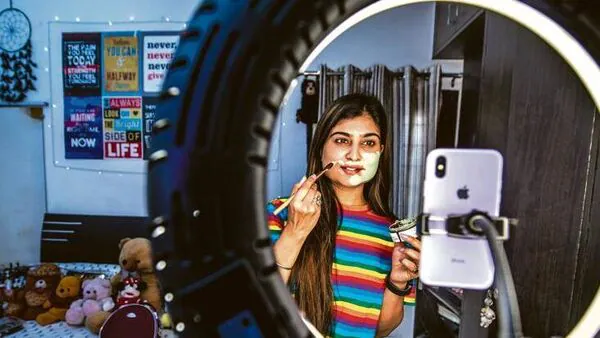
For example, a local food blogger recommending a café influences group dining decisions. Similarly, a neighbourhood fitness creator promoting a gym encourages trial visits. Therefore, influence multiplies beyond the original post.
Unlike digital ads, this word-of-mouth effect continues offline, increasing store visits and enquiry rates.
Why Micro-Influencer Audiences Are Closer to Purchase Intent
Micro-influencers attract followers who share common interests or needs. Therefore, their audience is already aligned with the category being promoted.
For instance:
-
Parenting influencers influence school visits
-
Finance micro-creators drive bank enquiries
-
Fitness creators generate gym walk-ins

Because the audience trusts the influencer’s expertise, they act faster. Consequently, brands experience higher offline conversions even without trackable digital clicks.
How Offline Sales Attribution Works With Micro-Influencers
Although offline sales are harder to track, micro-influencer campaigns offer multiple attribution signals. Brands often use:
-
Store-specific promo codes
-
Verbal references at point of sale
-
QR codes linked to offline offers
-
Geo-based footfall spikes after campaigns
Therefore, success measurement extends beyond dashboards. Instead, it reflects real consumer movement and behaviour.
Micro-Influencers Enable Hyperlocal Market Penetration
One major advantage of micro-influencers is hyperlocal reach. Brands can activate multiple micro-influencers across cities or neighbourhoods instead of relying on one large campaign.
As a result, messaging becomes regionally relevant. Language, cultural context, and local pain points get addressed naturally. This localisation significantly improves offline traction.
Moreover, hyperlocal campaigns allow brands to scale presence store by store rather than city by city.
Why Micro-Influencers Deliver Better Long-Term Offline ROI
Digital ads stop delivering value once the campaign ends. However, micro-influencer content often stays visible and searchable. More importantly, trust built through consistent creator partnerships continues to influence decisions.
Therefore, offline ROI compounds over time. Consumers remember recommendations when they are ready to purchase, even weeks later.

This delayed yet sustained impact explains why micro-influencer marketing outperforms short-term click-driven campaigns.
Conclusion
How Micro-Influencers Drive Offline Sales Better Than Digital Clicks highlights a critical shift in marketing effectiveness. While digital clicks indicate attention, micro-influencers drive action.
By building trust, enabling local relevance, and influencing real-world behaviour, micro-influencers bridge the gap between online content and offline sales. Consequently, brands that prioritise influence over impressions unlock stronger, more sustainable growth.