As consumers grow resistant to intrusive advertising, utility-based media has emerged as a powerful alternative. Formats that offer real value—rather than demand attention—consistently outperform traditional ads on recall and brand affinity. Two of the most commonly used utility formats today are Sunpack advertising and product sampling.
While both promise engagement, they work very differently in how they create memory. Therefore, understanding Sunpack vs sampling is critical for brands that want not just interaction, but long-term brand recall. The key question is not which is more popular—but which actually stays in the consumer’s mind.
Understanding the Two Formats Clearly
What Is Sunpack Advertising?
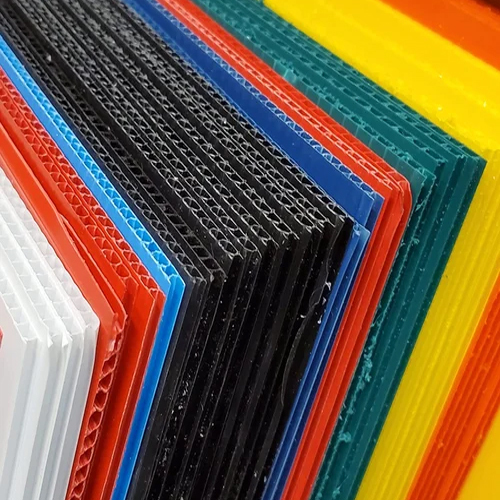
Sunpack advertising involves branding on functional, reusable utility items distributed to consumers. These items are used repeatedly over time.
Common examples include:
-
Carry pouches and utility kits
-
Grocery and newspaper carry bags
-
Travel kits and transit pouches
-
Event utility packs
The brand remains visible every time the item is used, often over several days or weeks.
What Is Product Sampling?
Sampling involves giving consumers a free product trial, usually consumable in nature.
Typical sampling formats include:
-
FMCG sachets
-
Beverage samples
-
Skincare or food trials
-
Demo-size products
Sampling focuses on immediate experience rather than long-term exposure.
Core Difference: Duration of Exposure
The biggest distinction in Sunpack vs sampling lies in how long the brand stays visible.
-
Sampling exposure usually lasts minutes or hours until the product is consumed.
-
Sunpack exposure lasts days, weeks, or even months, depending on usage.
Brand memory is strongly influenced by repetition over time, not just initial interaction. Therefore, Sunpack advertising has a structural advantage in recall-building.
Why Sunpack Advertising Drives Stronger Brand Memory
Repetition Without Fatigue
Sunpack items are used naturally—without reminding the consumer they are seeing an ad.
Each reuse reinforces:
-
Brand logo recognition
-
Colour and visual identity
-
Brand familiarity
This repeated, low-effort exposure strengthens memory without causing irritation, something sampling cannot deliver once the product is consumed.
Close-Range, Personal Interaction
Sunpack advertising is viewed at arm’s length. The consumer touches, carries, and stores the item.
Psychologically, physical interaction:
-
Improves memory encoding
-
Builds subconscious brand familiarity
-
Increases trust through ownership
Sampling provides sensory experience, but Sunpack creates personal association, which lasts longer.
Where Sampling Still Has an Advantage
Trial and Taste Validation
Sampling performs exceptionally well when:
-
Taste or efficacy is the key barrier
-
The category is new or unfamiliar
-
Immediate product experience drives conversion
In such cases, sampling accelerates product acceptance, but not necessarily long-term brand recall—unless supported by follow-up media.
High Impact, Short-Term Recall
Sampling creates a strong momentary impression, especially for food, beverages, and personal care. However, without repeated exposure, memory decays quickly.
This makes sampling effective for:
-
Launch trials
-
Short-term promotions
-
Conversion nudges
But less effective for sustained memory-building on its own.
Sunpack vs Sampling: Memory Impact Comparison
| Factor | Sunpack Advertising | Product Sampling |
|---|---|---|
| Exposure Duration | Long-term | Short-term |
| Repetition | High (daily use) | None after use |
| Physical Interaction | High | Moderate |
| Memory Retention | Strong | Moderate |
| Trust Building | Gradual, consistent | Immediate, limited |
| Fatigue Risk | Low | Not applicable |
| Best For | Brand recall & familiarity | Product trial & conversion |
From a brand memory perspective, Sunpack advertising clearly outperforms sampling.
Context Matters: Environment Shapes Effectiveness
Sunpack advertising works best in:
-
Outdoor events
-
Transit zones
-
Beaches and tourist locations
-
Residential and community distribution
Sampling works best in:
-
Retail stores
-
Food courts
-
Events with tasting/demo intent
Choosing the wrong environment can reduce effectiveness for both formats.
Smart Brands Don’t Choose—They Sequence
The most effective campaigns do not treat Sunpack vs sampling as an either–or decision.
High-performing brands:
-
Use sampling to trigger trial and acceptance
-
Follow with Sunpack advertising to reinforce memory and familiarity
This sequencing mirrors how human memory works—experience first, repetition later.
Cost Efficiency Through the Memory Lens
Sampling often looks cheaper per interaction, but expensive per retained memory.
Sunpack advertising may cost more per unit, but delivers:
-
Multiple impressions per consumer
-
Household or peer sharing
-
Longer recall lifespan
When evaluated on cost per remembered impression, Sunpack advertising is often more efficient.
Ideal Categories for Each Format
Sunpack Advertising Works Best For:
-
BFSI and fintech
-
Education and services
-
FMCG brand-building (not just trial)
-
Retail and e-commerce platforms

Sampling Works Best For:
-
Food and beverages
-
Skincare and personal care
-
New product launches
Conclusion: Memory Favors Repetition Over Experience
In conclusion, Sunpack vs sampling is a question of memory vs moment. Sampling excels at immediate experience and trial, but its impact fades quickly. Sunpack advertising, through repetition, proximity, and utility, builds stronger and longer-lasting brand memory.
For brands focused on recall, familiarity, and trust, Sunpack advertising clearly delivers superior results. For brands focused purely on trial, sampling has its place. However, when the objective is to stay remembered—not just noticed—utility that stays wins every time.