Outdoor | Transit | DOOH Ads Metro Pillar Advertising The Platform-to-Passage Effect: Why Metro Pillar Branding Captures Audiences Between Movement and Attention??

The Platform-to-Passage Effect: Why Metro Pillar Branding Captures Audiences Between Movement and Attention??

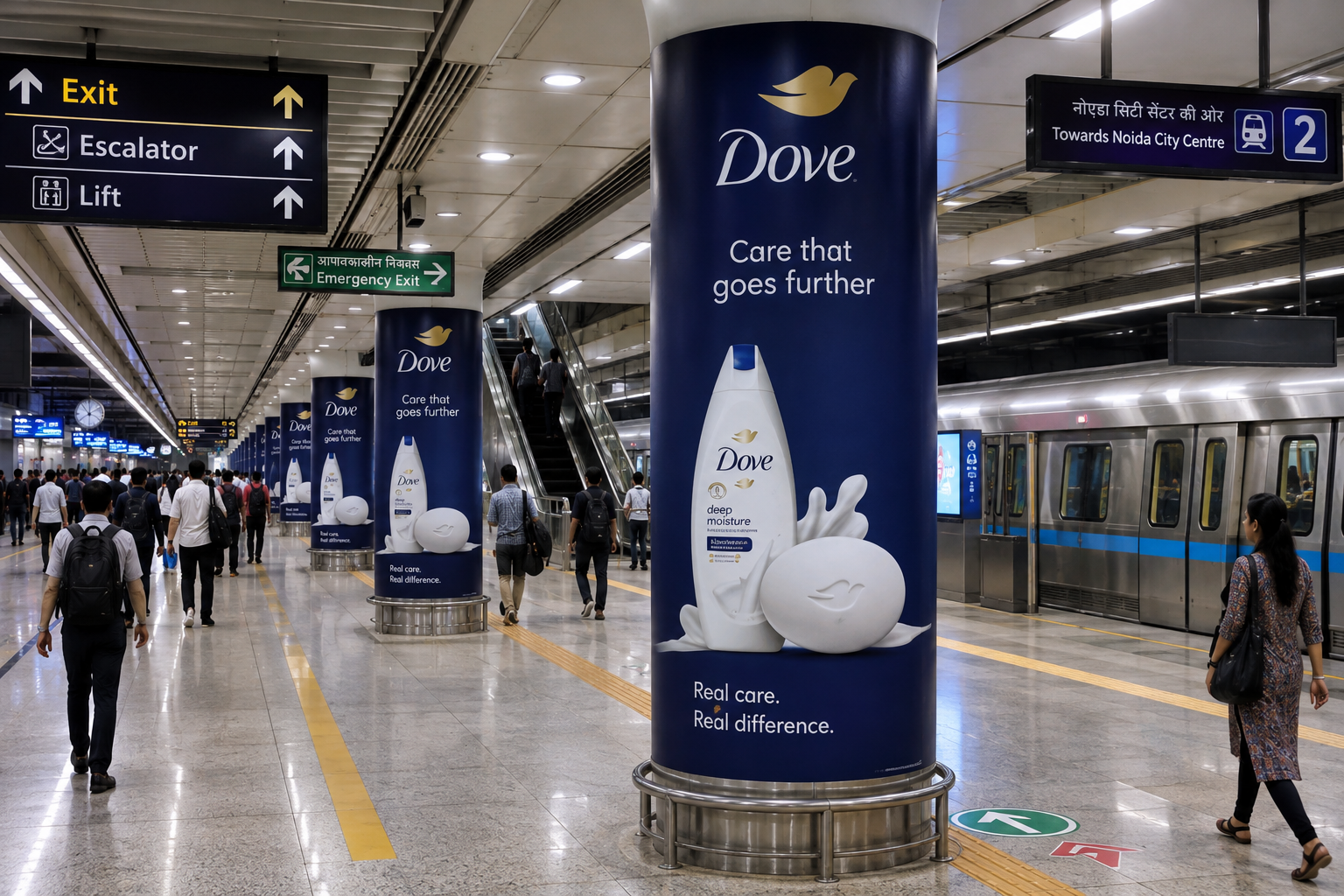
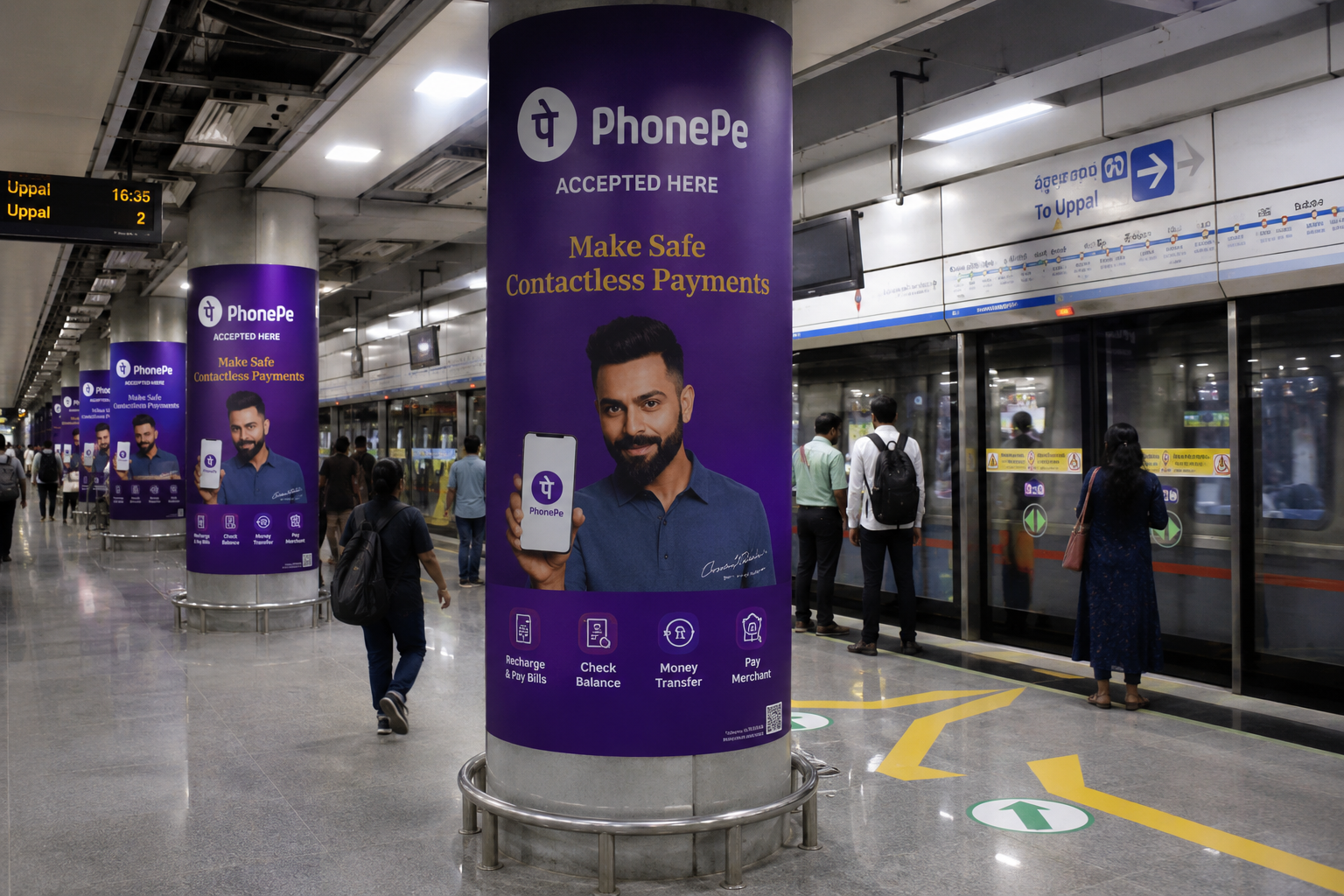
Metro stations are filled with moments where commuters pause, walk, wait, and change directions. This innovative OOH campaign uses strategically branded metro pillars to place the brand directly within these high-movement zones. Consistent creative across multiple pillars creates a visual journey that commuters encounter from platform to passage. By becoming part of the daily commute, the campaign transforms ordinary movement into repeated brand exposure and stronger recall.

How Metro Pillar Branding Captures Attention

Metro advertising is most effective when it fits naturally into the commuter journey. Unlike traditional advertising that depends on a single viewing moment, pillar branding can surround commuters across different parts of a station.

Pillars positioned near platforms, entry points, corridors, escalators, and passageways can create multiple opportunities for consumers to notice the same brand. The combination of location, repetition, and large-format creative helps the campaign remain visible even when commuters are constantly moving.

OOH Advertising

From Platform to Passage

The commuter journey does not stop at the platform. People move through ticketing areas, corridors, stairways, escalators, and connecting passages before reaching their final destination.

A strategically planned pillar campaign can follow this movement.

When similar branding appears across multiple touchpoints, individual advertisements begin to work together as one campaign. The first pillar creates awareness, the next reinforces recognition, and subsequent exposures can strengthen recall.

This creates what can be called the Platform-to-Passage Effect—the ability of OOH advertising to remain connected to consumers as they move through different parts of the metro environment.

Turning Movement Into Brand Recall

Commuters may not consciously stop to study every advertisement they pass. However, repeated visual exposure can help distinctive colours, logos, products, and campaign imagery become familiar.

Creative consistency is therefore important. Using a recognizable visual identity across pillars allows commuters to connect separate exposures to the same brand.

Over time, the brand can become associated with a familiar part of the daily journey. This is especially valuable for brands targeting regular metro users who travel through the same stations repeatedly.

The Creative Advantage of Pillar Advertising

Metro pillars provide a vertical canvas that can support bold and visually engaging executions. Brands can use product-focused imagery, large logos, creative storytelling, or sequential designs to make each pillar stand out.

A campaign can also use multiple pillars as chapters of a single visual story. As commuters move through the station, each exposure can reveal another part of the campaign.

Why Brands Should Own the Commuter Journey

The strongest OOH campaigns do more than occupy advertising space. They become part of the environment consumers already use.

Metro Pillar Branding provides brands with the opportunity to build visibility at multiple stages of a commuter’s journey while maintaining a consistent visual presence.

The result is a powerful combination of movement, repetition, visibility, and recall.
Related Post

Metro journeys are built around repetition. Commuters often travel through the same stations, corridors, platforms, and entry points every day. This makes Metro Pillar Advertising a valuable format for brands looking to build familiarity over time. Unlike a conventional advertisement that may be viewed for only a few seconds, a creatively designed pillar can remain within the commuter’s visual environment throughout the journey. The large vertical surface provides enough space for bold branding, product visuals, campaign messaging, and distinctive creative elements. The result is more than advertising—it becomes part of the environment. Turning Metro Pillars Into Brand Landmarks A strong OOH campaign should not simply occupy space; it should make the space memorable. Metro pillar branding can achieve this by transforming structural elements into recognizable visual assets. When multiple pillars follow a consistent creative identity, they can create a visual trail across a station. A commuter may encounter the same brand at different points during the journey, gradually strengthening recognition. This approach is particularly effective for brands seeking visibility in competitive urban markets. The campaign can make the brand feel present, established, and closely connected to the everyday rhythm of the city. The Power of Repeated Commuter Exposure One of the biggest advantages of Metro Pillar Advertising is frequency. Regular metro users may encounter the campaign repeatedly during their daily commute. Morning travel, evening return journeys, weekend trips, and regular station transfers can all contribute to cumulative exposure. Each individual interaction may be brief, but repeated encounters can help build stronger brand familiarity. This makes metro advertising especially useful for campaigns focused on awareness, product launches, retail promotions, and city-level brand building. Creative Design Makes the Difference The effectiveness of pillar advertising depends heavily on creative execution. Vertical spaces offer opportunities to experiment with oversized product imagery, bold typography, sequential storytelling, and visually distinctive brand elements. Instead of treating every pillar as an individual advertisement, brands can design a connected visual experience. Different pillars can reveal different parts of a message, creating curiosity as commuters move through the station. A memorable design can turn a functional metro structure into something commuters instinctively associate with the brand. Why Metro Pillar Advertising Works for Modern Brands Metro environments combine high footfall, repeated journeys, strong visibility, and proximity to urban consumers. This creates an environment where brands can achieve both reach and frequency. For marketers, the opportunity goes beyond impressions. Metro Pillar Advertising allows brands to become part of the physical surroundings where consumers spend time every day. That is the real power of the Vertical Visibility Effect: when advertising becomes part of the journey, the journey itself can become part of the brand memory??Metro journeys are built around repetition. Commuters often travel through the same stations, corridors, platforms, and entry points every day. This makes Metro Pillar Advertising a valuable format for brands looking to build familiarity over time. Unlike a conventional advertisement that may be viewed for only a few seconds, a creatively designed pillar can remain within the commuter’s visual environment throughout the journey. The large vertical surface provides enough space for bold branding, product visuals, campaign messaging, and distinctive creative elements. The result is more than advertising—it becomes part of the environment. Turning Metro Pillars Into Brand Landmarks A strong OOH campaign should not simply occupy space; it should make the space memorable. Metro pillar branding can achieve this by transforming structural elements into recognizable visual assets. When multiple pillars follow a consistent creative identity, they can create a visual trail across a station. A commuter may encounter the same brand at different points during the journey, gradually strengthening recognition. This approach is particularly effective for brands seeking visibility in competitive urban markets. The campaign can make the brand feel present, established, and closely connected to the everyday rhythm of the city. The Power of Repeated Commuter Exposure One of the biggest advantages of Metro Pillar Advertising is frequency. Regular metro users may encounter the campaign repeatedly during their daily commute. Morning travel, evening return journeys, weekend trips, and regular station transfers can all contribute to cumulative exposure. Each individual interaction may be brief, but repeated encounters can help build stronger brand familiarity. This makes metro advertising especially useful for campaigns focused on awareness, product launches, retail promotions, and city-level brand building. Creative Design Makes the Difference The effectiveness of pillar advertising depends heavily on creative execution. Vertical spaces offer opportunities to experiment with oversized product imagery, bold typography, sequential storytelling, and visually distinctive brand elements. Instead of treating every pillar as an individual advertisement, brands can design a connected visual experience. Different pillars can reveal different parts of a message, creating curiosity as commuters move through the station. A memorable design can turn a functional metro structure into something commuters instinctively associate with the brand. Why Metro Pillar Advertising Works for Modern Brands Metro environments combine high footfall, repeated journeys, strong visibility, and proximity to urban consumers. This creates an environment where brands can achieve both reach and frequency. For marketers, the opportunity goes beyond impressions. Metro Pillar Advertising allows brands to become part of the physical surroundings where consumers spend time every day. That is the real power of the Vertical Visibility Effect: when advertising becomes part of the journey, the journey itself can become part of the brand memory??

Metro journeys are built around repetition. Commuters often travel through the same stations, corridors, platforms, and entry points every day. This makes Metro Pillar Advertising a valuable format for brands