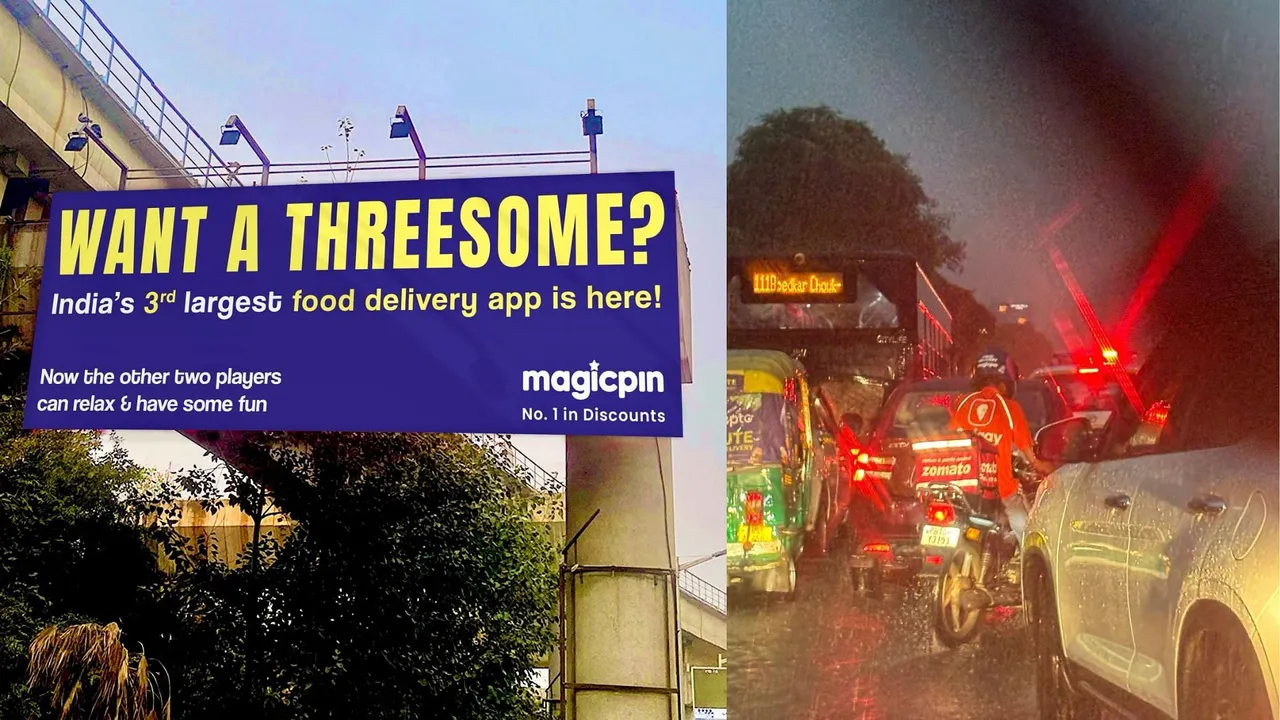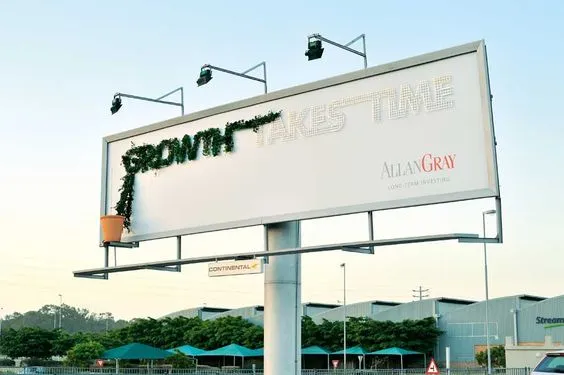
Billboard performance depends on more than just size and location. In outdoor advertising, traffic sightlines play a decisive role in determining whether an advertisement is actually noticed. Even a premium site can underperform if the viewing angle, obstruction, or traffic flow restricts visibility. Therefore, understanding how traffic sightlines affect billboard visibility and engagement is essential for advertisers aiming to maximize return on outdoor media investments.
As urban roads become denser and more complex, proper sightline evaluation has become a critical planning parameter for both static hoardings and digital DOOH screens.
What Are Traffic Sightlines in Outdoor Advertising?
Traffic sightlines refer to the clear, uninterrupted visual path between a moving commuter and a billboard.
This line of sight depends on several road and environmental factors, including:
-
Direction of traffic flow
-
Viewing angle of the billboard
-
Distance from the road
-
Speed of vehicles
-
Presence of physical obstructions
When sightlines remain clear, the probability of visual contact increases significantly.
Why Traffic Sightlines Matter for Billboard Performance
Outdoor advertising operates within very short attention windows. Commuters often have only 2–6 seconds to register a message. Therefore, if a billboard does not fall naturally within the driver’s or pedestrian’s field of vision, engagement drops sharply.
Strong sightlines ensure:
-
Faster visual recognition
-
Better message recall
-
Higher brand memorability
-
Improved engagement metrics
As a result, sightlines directly influence campaign effectiveness.

Key Traffic Sightline Factors That Impact Visibility
1. Viewing Angle and Orientation
Billboards positioned perpendicular to traffic deliver weaker exposure. In contrast, displays angled toward oncoming vehicles create stronger frontal visibility.
Optimal orientation allows:
-
Early detection
-
Longer viewing duration
-
Easier message processing
Therefore, angle alignment remains one of the most critical planning elements.
2. Distance from the Roadway
Billboards placed too far from the road reduce text legibility. Conversely, extremely close placements may fall outside natural eye movement.
An ideal setback distance ensures:
-
Comfortable reading range
-
Balanced visual scale
-
Reduced neck or head movement
Hence, distance directly influences message comprehension.
3. Speed of Traffic Flow
Vehicle speed determines exposure time.
-
High-speed corridors offer shorter viewing windows
-
Slow-moving traffic increases dwell time
Therefore, creatives on highways must remain simple, while urban signal zones allow more detailed messaging.
4. Road Curvature and Alignment
Curved roads significantly affect sightlines.
Billboards placed along curves often gain:
-
Extended exposure time
-
Progressive visibility
-
Natural eye tracking
However, poor placement after sharp turns may reduce noticeability entirely.
5. Obstructions Along the Sightline
Common obstructions include:
-
Trees and foliage
-
Electric poles and cables
-
Flyover pillars
-
Metro infrastructure
-
Other hoardings
Even partial obstruction can reduce engagement dramatically. Consequently, regular site audits are essential.
Sightlines and Engagement: The Direct Relationship
Visibility does not guarantee engagement, but engagement cannot occur without visibility.
Clear sightlines lead to:
-
Longer eye contact duration
-
Higher message recall
-
Better brand association
-
Improved response actions
When sightlines are compromised, even high-traffic locations fail to perform.
Impact of Sightlines on Static Hoardings
For static billboards, sightlines determine:
-
Readability of headline
-
Logo recognition
-
Brand color recall
Since static media lacks motion, uninterrupted visual access becomes even more critical. Therefore, poor sightlines severely weaken static hoarding performance.
Impact of Sightlines on Digital DOOH Screens
Digital screens attract attention through motion and brightness. However, sightline limitations still apply.
If screens fall outside natural eye level or face side traffic, animation loses effectiveness. Thus, DOOH planning must still prioritize line-of-sight optimization.
Additionally, glare and excessive brightness can negatively impact engagement if not aligned with traffic direction.
Sightlines in High-Dwell Environments
Locations with natural dwell time offer stronger engagement when sightlines are optimized.
Examples include:
-
Traffic signals
-
Bus shelters
-
Toll plazas
-
Metro platforms
-
Airport approach roads
In these zones, sustained visibility enhances message absorption and brand impact.
How Brands Evaluate Traffic Sightlines
Modern outdoor planning includes multiple evaluation methods:
-
Line-of-sight mapping
-
On-ground visual audits
-
Driver-eye perspective checks
-
Geo-visual simulation tools
-
Visibility scoring models
These assessments help determine whether a billboard genuinely falls within a commuter’s viewing cone.

Sightline Planning Best Practices for Advertisers
To maximize billboard visibility and engagement, brands should:
-
Prioritize forward-facing orientations
-
Avoid cluttered media clusters
-
Ensure consistent obstruction clearance
-
Align creative size with viewing distance
-
Match creative complexity to traffic speed
Strategic planning at this stage prevents media wastage.
Role of Sightlines in Media Buying Decisions
Advanced advertisers now evaluate locations based on:
-
Reach potential
-
Viewability score
-
Sightline clarity
As a result, sightline quality increasingly influences pricing and site valuation.
Final Thoughts
Understanding how traffic sightlines affect billboard visibility and engagement is fundamental to successful outdoor advertising. While traffic volume determines how many people pass a site, sightlines determine whether those people actually notice the message. Clear, unobstructed, and well-aligned sightlines significantly improve attention, recall, and campaign effectiveness.
In modern outdoor planning, visibility quality matters just as much as audience quantity. Brands that prioritize sightline analysis consistently achieve stronger results from their OOH investments.