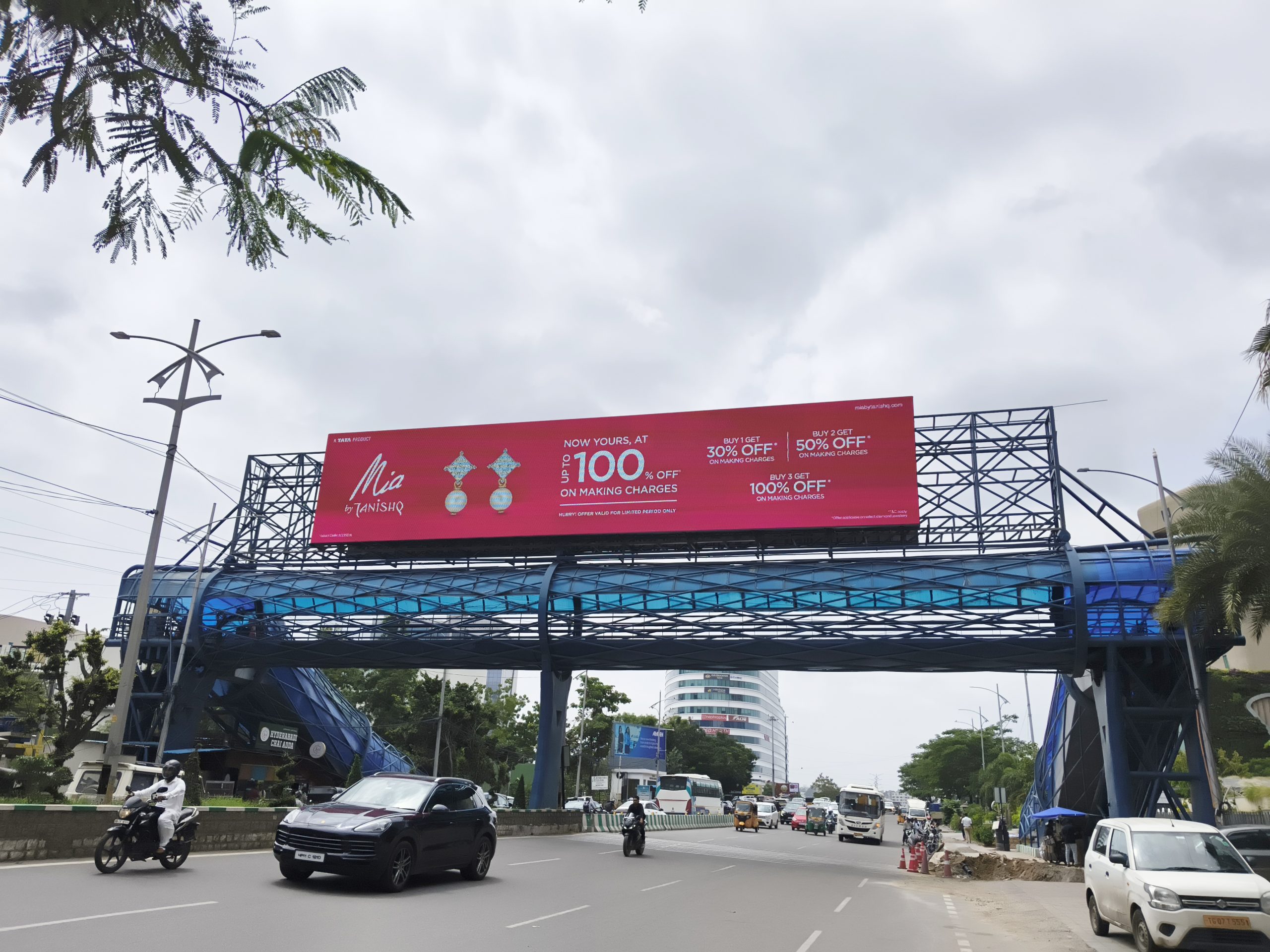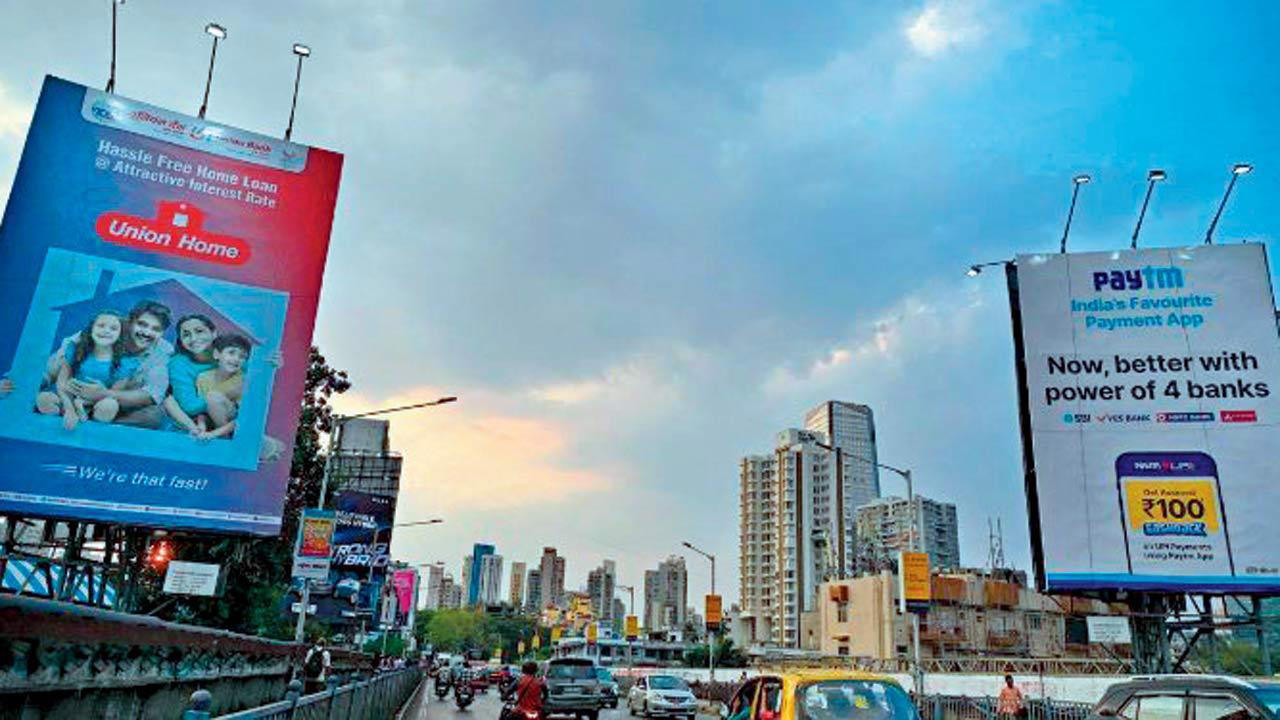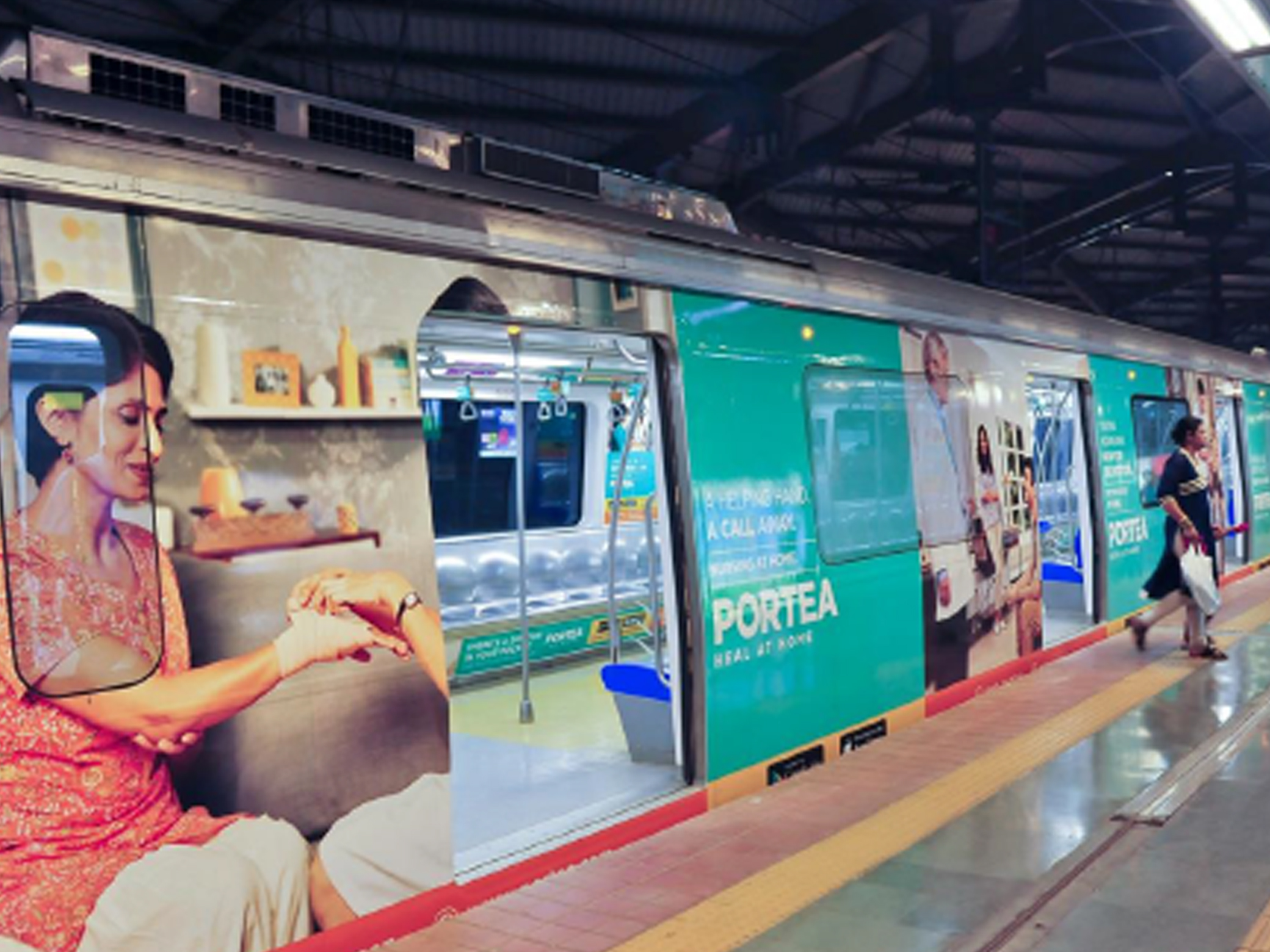
Transit and metro advertising has emerged as one of the most effective media formats in urban India. With millions of daily commuters, metro trains, stations, and buses offer high-frequency brand exposure. However, these environments operate under strict regulatory control. Therefore, understanding transit and metro advertising restrictions in Indian cities is essential for marketers before planning campaigns.
Each city follows different rules governed by transport authorities, making compliance a critical success factor.
Why Transit and Metro Advertising Is Highly Regulated
Transit infrastructure is classified as public utility space. Authorities prioritise passenger safety, navigation clarity, and infrastructure protection above commercial messaging.
As a result, advertising restrictions focus on:
-
Passenger movement safety
-
Visibility of wayfinding signage
-
Structural integrity
-
Emergency access and security protocols
Marketers must align campaigns with these priorities.
Common Transit Advertising Restrictions Across India
While rules vary by city, several restrictions apply nationwide.
Coverage Limitations
Authorities restrict how much surface area can be branded.
-
Partial wraps preferred over full wraps
-
Windows must remain clear
-
Driver visibility zones cannot be obstructed
These rules ensure operational safety.
Content Restrictions
Most transit authorities prohibit:
-
Political messaging
-
Religious or sensitive imagery
-
Alcohol and tobacco advertising
-
Surrogate or misleading claims
Additionally, healthcare and financial ads often require mandatory disclaimers.
Design and Colour Guidelines
High-contrast colours that resemble safety signage are restricted.
Reflective materials, flashing visuals, or overly bright illumination are typically disallowed, particularly in underground stations.
Metro Advertising Restrictions: City-Level Considerations
Delhi Metro (DMRC)
-
No obstruction of passenger movement
-
Platform screen doors branding allowed only within defined zones
-
Audio advertising strictly regulated
-
Creative approval mandatory before installation
DMRC enforces some of the strictest guidelines in India.
Mumbai Metro and Suburban Rail
-
Train wraps permitted with strict coverage rules
-
Station branding allowed only in non-operational areas
-
No advertising near emergency equipment
-
Approval timelines can be extended
Suburban rail advertising also follows Railway Board guidelines.

Bengaluru Metro (Namma Metro)
-
Limited interior branding zones
-
Strong restrictions on pillar and staircase advertising
-
Digital screens approved only at select locations
-
Creative changes require fresh approval
Chennai Metro
-
Premium focus on digital screens
-
Static formats preferred in paid areas
-
Strict illumination norms
-
Strong emphasis on aesthetic uniformity
Hyderabad Metro
-
Allows station domination formats
-
Content and size guidelines strictly enforced
-
Multilingual creatives may be required
-
Approval cycle varies by zone
Bus Advertising Restrictions Across Cities
Exterior Bus Branding
-
Partial wraps allowed; full wraps restricted in many cities
-
No coverage near mirrors, lights, or registration numbers
-
Colour palettes must not resemble official transport colours
Interior Bus Advertising
-
Panels allowed only in designated areas
-
Hanging creatives restricted in some cities
-
QR codes permitted with size limitations

Digital Transit Advertising Restrictions
Digital OOH formats face additional scrutiny.
Common rules include:
-
Brightness limitations
-
No flashing or high-frame animations
-
Time-bound content rotation
-
Emergency override capability
Authorities reserve the right to replace content during emergencies.
Approval and Documentation Requirements
Marketers must prepare:
-
High-resolution creatives
-
Format-specific artwork dimensions
-
Content declarations
-
Legal disclaimers (where applicable)
-
Brand authorisation letters
Incomplete documentation often leads to delays.
Typical Approval Timelines
Approval timelines vary widely:
-
Metro cities: 10–20 working days
-
Tier-1 cities: 7–14 days
-
Digital formats: additional 3–5 days
Marketers should plan sufficient buffers.
Common Mistakes Marketers Should Avoid
-
Finalising creatives before guideline checks
-
Assuming rules are uniform across cities
-
Overbranding safety-sensitive areas
-
Missing disclaimer compliance
-
Ignoring multilingual requirements
Avoiding these errors prevents costly rework.
Best Practices for Compliance-Led Planning
To ensure smooth execution, brands should:
-
Conduct city-wise regulation audits
-
Work with authorised transit media partners
-
Submit creatives early for review
-
Maintain flexibility in artwork adaptation
-
Keep alternative format options ready
Compliance-driven planning saves time and cost.
Why Compliance Enhances Brand Credibility
Advertising within regulated transit environments enhances trust. When brands respect public infrastructure norms, they benefit from association with safety, order, and reliability.
Compliance is not a constraint—it is a credibility enhancer.
Conclusion
Understanding transit and metro advertising restrictions in Indian cities is critical for executing successful campaigns without disruption.
With varying city-level rules, marketers must adopt a structured, regulation-first approach. When compliance, creativity, and planning align, transit media becomes one of the most powerful and premium advertising platforms in India.