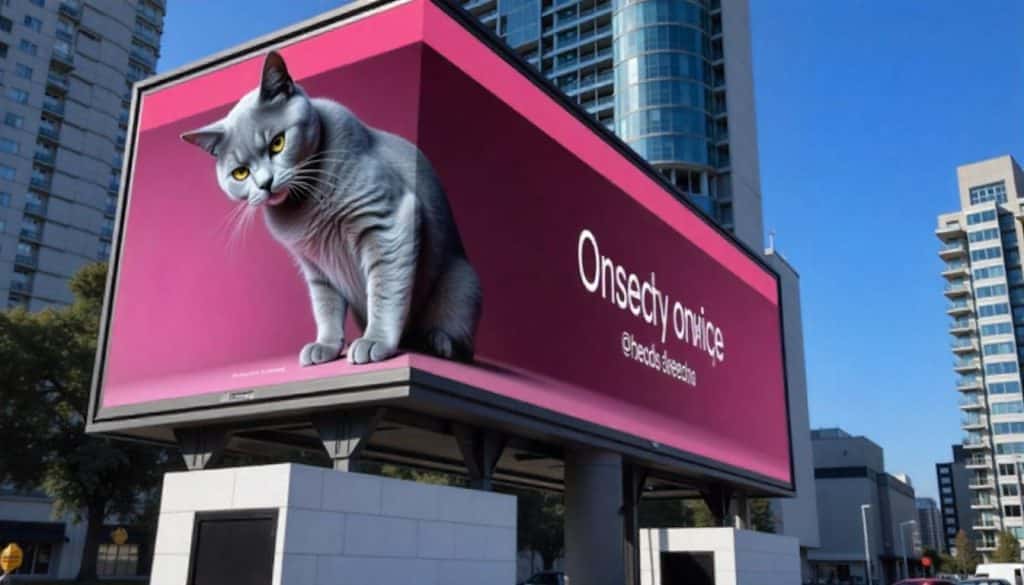
Anamorphic display ads are revolutionizing outdoor advertising by creating 3D illusions and motion realness, transforming public spaces into immersive brand experiences. However, deploying anamorphic ads outdoors requires careful creative and technical planning to ensure maximum visual impact and audience engagement.
1. Understanding the Viewing Perspective
Anamorphic ads rely on optical illusion, meaning the 3D effect is only visible from specific vantage points. Key considerations include:
-
Primary Audience Path: Identify where most viewers will be located—pedestrian walkways, transit hubs, or vehicle lanes.
-
Viewing Angle: Ensure the illusion works from the majority of angles, particularly in crowded urban spaces.
-
Distance Scaling: Adjust the size and perspective of elements to maintain visual integrity across distances.
Creative Implication: Misalignment can distort the illusion, reducing engagement and brand recall.
2. High-Impact Creative Design
Anamorphic ads demand striking visuals:
-
Bold Colors & Contrasts: Enhance clarity and depth perception outdoors, even in bright sunlight.
-
Simplified Visuals: Reduce clutter; focus on the core product or message.
-
Motion Elements: Incorporate subtle animations to increase realism and draw attention.
Brand Tip: Use 3D characters or objects that appear to “interact” with the surrounding environment for memorable storytelling.
3. Technical Considerations
Outdoor anamorphic displays require careful technical planning:
-
Screen Resolution: High-resolution displays prevent pixelation when viewed from different distances.
-
Brightness and Anti-Glare: Ensure visibility in direct sunlight or varying weather conditions.
-
Structural Integration: Align screens with existing surfaces (buildings, streets, plazas) to support optical illusions.
-
Content Orientation & Calibration: Precise calibration is necessary so visuals maintain correct proportions from the intended viewpoint.
Advanced Tip: Use 3D mapping and CAD modeling to pre-visualize how the ad interacts with physical structures.
4. Environmental and Safety Factors
Outdoor anamorphic installations must consider:
-
Weather Resistance: Waterproofing, heat management, and UV protection for electronic displays.
-
Pedestrian & Traffic Safety: Ads should not distract drivers or obstruct visibility.
-
Maintenance Access: Ensure screens are accessible for updates and repairs.
Brand Opportunity: When done correctly, outdoor anamorphic ads can generate viral social media content without compromising safety.
5. Measurement and Optimization
Track performance using:
-
Footfall analytics and dwell time
-
Engagement metrics like QR code scans or social media interactions
-
Location-based targeting to assess ad impact in high-traffic zones
Optimizing placement, perspective, and creative content ensures maximum ROI for premium outdoor campaigns.
Conclusion
Deploying anamorphic display ads in outdoor environments is a blend of creative artistry and technical precision. Brands must carefully consider viewer perspective, high-impact visuals, display technology, environmental factors, and safety. By integrating these considerations, advertisers can create immersive, memorable experiences that captivate audiences and amplify brand impact in high-traffic urban spaces.