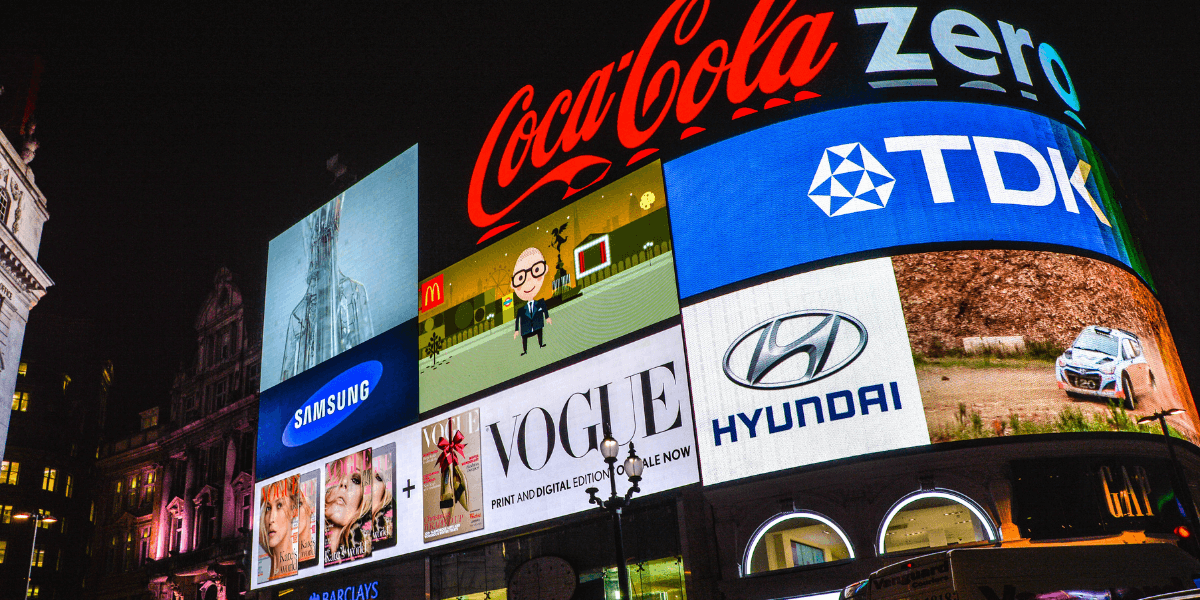
Large-format digital displays have rapidly transformed digital and outdoor advertising in Indian cities. From high-impact roadside LED billboards to massive digital facades on commercial buildings, these screens offer unmatched visibility and dynamic communication. However, because they involve heavy structures, high electrical loads, and intense luminance, authorities regulate them under strict safety and compliance frameworks.
Therefore, understanding the safety and compliance norms for large-format digital displays in India is essential for advertisers, media owners, and property stakeholders. Failure to comply can result in immediate shutdowns, penalties, or permanent cancellation of advertising rights.
What Is Considered a Large-Format Digital Display?
Large-format digital displays generally include:
-
Digital unipoles and monopoles
-
Building-mounted LED screens
-
Large DOOH video walls
-
Exterior mall and airport digital facades
These displays exceed conventional static hoardings in size and power consumption, which places them under enhanced regulatory scrutiny.
Why Safety and Compliance Norms Are Mandatory
Digital displays interact directly with public spaces. As a result, authorities enforce norms to prevent:

-
Structural collapse during storms
-
Electrical short circuits and fire hazards
-
Driver distraction and visual glare
-
Public injury and property damage
Hence, safety compliance is treated as a public-interest obligation rather than a procedural formality.
Structural Safety Norms for Digital Displays
Structural Stability Certification
Every large-format digital display must obtain a structural stability certificate issued by a licensed structural engineer.
This certification confirms:
-
Load-bearing strength
-
Foundation integrity
-
Wind-load resistance
-
Compliance with local building standards
Most municipal bodies require annual renewal of this certificate.
Wind Load and Weather Resistance
India’s climatic diversity makes wind-load compliance critical. Digital structures must be designed according to regional wind zones to withstand:
-
High wind speeds
-
Heavy rainfall
-
Dust and temperature variations
Failure to meet wind-load norms often leads to rejection of permissions.
Mounting and Support Structure Compliance
Authorities mandate:
-
Approved steel grades for frames
-
Certified anchoring systems
-
Proper welding and joint inspection
Any modification without re-approval is treated as a serious violation.
Electrical Safety Compliance Norms
Electrical Load Sanction
Large LED displays require high power capacity. Therefore, media owners must obtain:
-
Approved electrical load sanction
-
Dedicated power connection
-
Independent metering system
Illegal power tapping results in immediate disconnection and penalties.
Earthing and Surge Protection
Mandatory electrical safeguards include:
-
Dual earthing systems
-
Surge protection devices
-
Lightning arrestors for tall structures
These measures protect both equipment and surrounding public areas.
Fire Safety Clearance
Fire department NOCs are compulsory, especially in dense urban locations.
Key requirements include:
-
Flame-retardant panel materials
-
Heat-resistant cabling
-
Emergency shutdown access
Regular fire safety inspections are often mandated.

Brightness and Luminance Control Norms
Excessive screen brightness can cause glare and accidents. Hence, authorities regulate luminance levels.
Compliance typically requires:
-
Automatic brightness sensors
-
Day and night luminance adjustment
-
Controlled contrast ratios
Night-time brightness restrictions are particularly strict near residential zones and traffic corridors.
Content and Operational Safety Guidelines
Motion and Animation Restrictions
Digital displays facing roads must avoid:
-
Rapid flashing visuals
-
High-frequency transitions
-
Sudden brightness changes
Such content may distract drivers and increase accident risk.
Emergency Override Capability
In several smart cities, authorities require DOOH screens to support:
-
Emergency alerts
-
Disaster warnings
-
Civic announcements
This requirement strengthens public safety integration.
Mandatory Permissions and Approvals
To operate legally, large-format digital displays require approvals from:
-
Municipal corporation advertising department
-
Urban development authority
-
Traffic police (No-Objection Certificate)
-
Fire department
-
Electrical inspectorate
All approvals must remain valid throughout the operational period.
Advertisement Licensing and Tax Compliance
Authorities levy:
-
Advertisement license fees
-
Annual renewal charges
-
Digital display–specific taxes
Non-renewal often results in screen shutdown without notice.
Inspection, Monitoring, and Audit Requirements
Government agencies conduct periodic audits covering:
-
Structural stability
-
Electrical safety compliance
-
Brightness regulation adherence
-
License and NOC validity
Any deviation can trigger immediate enforcement action.
Penalties for Non-Compliance
Non-compliance may lead to:
-
Forced dismantling of structures
-
Power disconnection
-
Heavy monetary fines
-
Blacklisting of media owners
-
Cancellation of future advertising rights
Therefore, continuous compliance monitoring is essential.
Best Practices for Media Owners and Advertisers
To maintain uninterrupted operations, stakeholders should:
-
Conduct routine structural audits
-
Maintain updated safety documentation
-
Monitor brightness remotely
-
Use certified LED components only
-
Engage licensed installers and engineers
Proactive compliance reduces regulatory risk significantly.
Final Thoughts
Understanding the safety and compliance norms for large-format digital displays in India is fundamental for sustainable outdoor advertising operations.
As Indian cities expand their digital infrastructure, regulatory oversight continues to intensify. Brands and media owners who prioritize safety, documentation, and operational discipline not only avoid penalties but also build long-term credibility with civic authorities.
In today’s outdoor ecosystem, compliance is not a limitation—it is a competitive advantage.