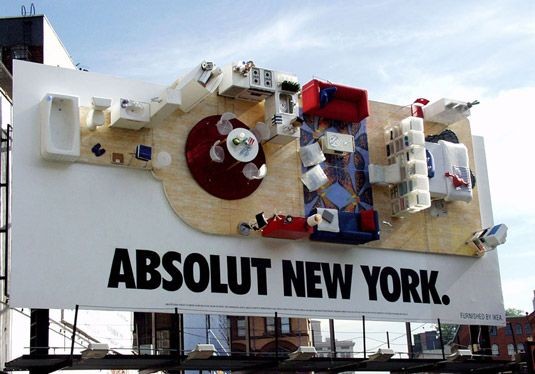
Outdoor advertising delivers massive visibility, but visibility alone does not guarantee brand recall. In high-clutter urban environments, consumers are exposed to hundreds of messages daily. Therefore, creative best practices in outdoor advertising play a decisive role in determining whether a brand is remembered or ignored. When executed correctly, strong outdoor creatives can build long-term memory structures, reinforce brand identity, and drive action. This article explains the creative principles that genuinely improve brand recall in outdoor advertising.
Simplicity Is the Foundation of High Brand Recall
One of the most proven creative best practices for outdoor advertising is simplicity. Outdoor ads are consumed quickly, often within a few seconds. As a result, complex visuals or excessive text reduce comprehension.
Effective outdoor creatives typically include:
-
One clear message
-
One strong visual
-
One brand cue
By reducing cognitive load, brands allow audiences to process and remember the message effortlessly. Simpler ads consistently outperform cluttered designs in recall studies.
Strong Brand Presence from the First Glance
To improve brand recall, the brand must be instantly recognizable. Logos, brand colors, and distinctive fonts should appear clearly and prominently. Many advertisers make the mistake of prioritizing visuals while minimizing brand presence.

Instead, creative best practices suggest placing brand cues where the eye naturally lands. When branding is integrated rather than appended, recall increases significantly. Consequently, audiences remember not just the message but also the brand behind it.
High-Contrast Visuals Improve Memory Retention
Contrast plays a crucial role in outdoor advertising effectiveness. High-contrast color combinations improve legibility from a distance and across varying light conditions. Whether the ad appears on a hoarding, bus shelter, or digital screen, contrast ensures clarity.
Moreover, bold typography and clean backgrounds prevent visual fatigue. When the message stands out against its environment, it becomes easier to remember. Therefore, contrast is not just a design choice but a recall driver.
Fewer Words, Stronger Impact
Outdoor advertising is not the place for long copy. Research consistently shows that ads with six to eight words perform better in recall metrics. Short, punchy headlines allow viewers to grasp the message instantly.

Additionally, using conversational language improves emotional connection. When people relate to the message quickly, they are more likely to remember it later. Thus, brevity directly supports brand recall.
Contextual Relevance Strengthens Recall
Contextual relevance is another creative best practice that significantly improves brand recall. Ads that align with location, time, or audience mindset feel more meaningful.
For example, fitness messaging near parks or productivity messaging near office districts increases memorability. When creatives feel situationally relevant, the brain assigns higher importance to the message. As a result, recall improves naturally without increasing media spend.
Consistency Across Outdoor Formats Builds Memory
Consistency is essential for long-term brand recall. When brands use consistent colors, fonts, taglines, and visual styles across multiple outdoor formats, memory reinforcement occurs.
Repeated exposure to consistent creatives helps audiences recognize the brand faster over time. Even when people do not consciously notice the ad, familiarity builds. Therefore, consistency across hoardings, transit media, and digital screens strengthens recall exponentially.
Visual Storytelling Enhances Emotional Connection
While simplicity matters, storytelling still plays a role in outdoor advertising. Visual storytelling works best when executed in sequences or clusters. Instead of telling everything in one frame, brands can use multiple locations to build a narrative.
Emotional visuals trigger stronger memory encoding than informational content. Consequently, ads that evoke humor, curiosity, or emotion are recalled more easily than purely functional messages.
Motion and Dynamic Elements in DOOH
In digital outdoor advertising, motion can improve brand recall when used strategically. Subtle animation attracts attention without overwhelming the viewer. However, excessive movement reduces clarity.
Best practices suggest using motion to highlight key elements such as brand logos or calls to action. When motion supports the message rather than distracting from it, recall improves substantially.
Clear Hierarchy Guides Viewer Attention
Creative hierarchy ensures that viewers know where to look first. Effective outdoor ads guide attention from the main visual to the message and finally to the brand.
This visual flow helps the brain process information efficiently. When hierarchy is unclear, viewers disengage quickly. Therefore, structured layouts directly contribute to stronger recall.
Testing and Optimization Improve Creative Performance
Brands that test multiple creative versions often achieve higher recall rates. A/B testing different headlines, colors, or visuals helps identify what resonates best with audiences.
Moreover, performance data from digital outdoor screens enables real-time optimization. As a result, creatives evolve based on actual viewer response rather than assumptions.