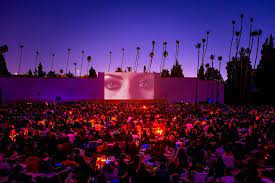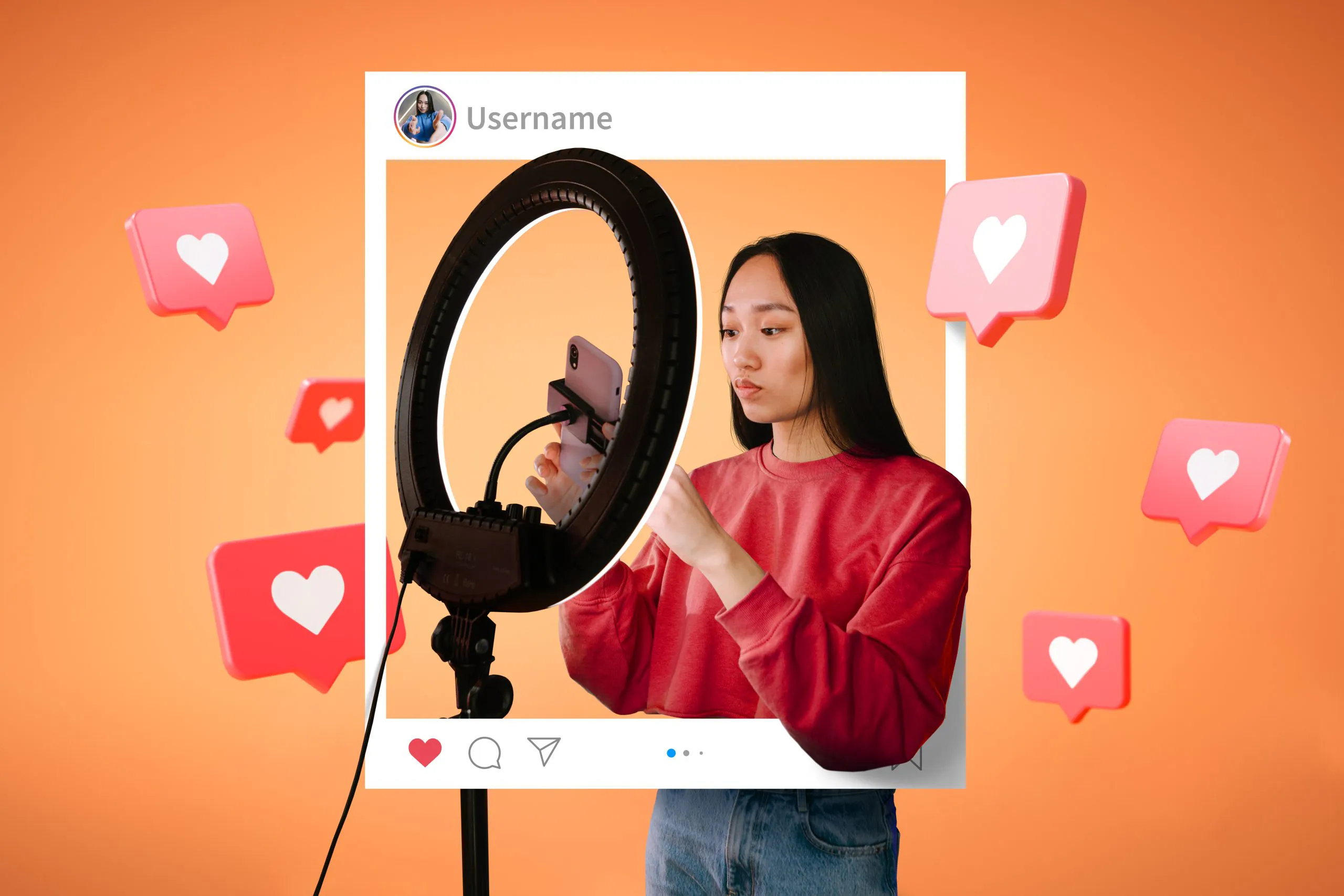
Influencer marketing dominates the digital world, while on-ground activations continue to be one of the strongest ways to engage consumers in real life. When brands integrate influencer marketing with on-ground activations, they create powerful hybrid campaigns that deliver both visibility and trust. This combination boosts recall, participation, and conversions—making it one of the most effective modern marketing strategies.
Below is a detailed guide explaining how brands can merge both channels for maximum impact.
1. Use Influencers to Build Buzz and Drive Event Footfall
Influencers can organically pull audiences to on-ground events through their pre-event content.
How It Helps
-
Creates awareness and curiosity
-
Encourages followers to attend the activation
-
Drives targeted footfall based on influencer audience segments
This works especially well for product launches, store openings, mall events, and campus campaigns.
2. Create Real-Time Content at the Activation
On-ground activations provide a rich environment for influencers to produce engaging content.
Ideas for Real-Time Content
-
Live product demos
-
Instagram/Facebook live sessions
-
Reels and Shorts filmed at the venue
-
Behind-the-scenes walkthroughs
-
Customer interactions captured on camera
This integrates the offline experience with online visibility instantly.
3. Use Influencers as Hosts, Panelists, or Experience Anchors
Inviting influencers to physically lead an event makes the activation more credible and exciting.
Examples
-
Fitness influencers conducting workout sessions
-
Beauty influencers doing live makeup demos
-
Tech creators hosting gadget trail zones
-
Food influencers curating tasting events
Fans show up to see them, and brands benefit from organic trust transfer.
4. Co-Created Campaigns: Before, During & After the Event
A fully integrated approach ensures influencer collaboration across all stages:
Pre-Activation
-
Teasers
-
Announcements
-
Invite posts
During Activation
-
Live videos
-
Reels & short content
-
On-ground crowd interaction
Post-Activation
-
Event recap
-
Review-based content
-
Long-form videos
This ensures continuous engagement from start to finish.
5. Leverage Micro-Influencers for Hyperlocal Engagement
For RWAs, campuses, residential clusters, or hyperlocal markets, micro-influencers outperform mega-creators.
Why?
-
Stronger local credibility
-
Better engagement rates
-
Lower collaboration cost
-
More targeted audience
They help bridge the gap between local on-ground activations and community-based online influence.
6. Use QR Codes, Promo Codes & Tracking Links for Measurable Results
To measure the impact of merging digital and offline activities:
Tools
-
QR codes displayed at the activation zone
-
Influencer-specific coupon codes
-
Digital sign-ups
-
UTM tagging for trackable links
This helps brands evaluate ROI, lead quality, and conversion funnels.
7. Turn Influencers into Customer Experience Ambassadors
Influencers can guide visitors through the activation, explaining features and creating personalized experiences.
Benefits
-
Humanizes the brand
-
Builds trust through familiar faces
-
Makes the activation more interactive
This is especially effective for electronics, lifestyle, auto, FMCG, and premium brands.
8. Integrate Paid Media for Wider Amplification
After influencers post content from the activation, brands can amplify it through:
-
Boosted posts
-
Reels ads
-
YouTube ads
-
Facebook campaigns
This ensures the activation reaches a citywide or nationwide audience, not just event attendees.
9. Create Immersive Storytelling Zones for Influencer Content
Brands can design activation spaces specifically for influencers to shoot high-impact content.
Examples
-
Aesthetic photo zones
-
AR/VR storytelling setups
-
Interactive demo corners
-
Challenge or experience zones
This helps generate visually attractive content that travels fast on social media.
Conclusion
When brands integrate influencer marketing with on-ground activations, they unlock a powerful combination of digital influence + physical experience. Consumers not only see the brand online—they touch, feel, and engage with it offline. This hybrid strategy enhances trust, increases participation, and drives measurable business results.