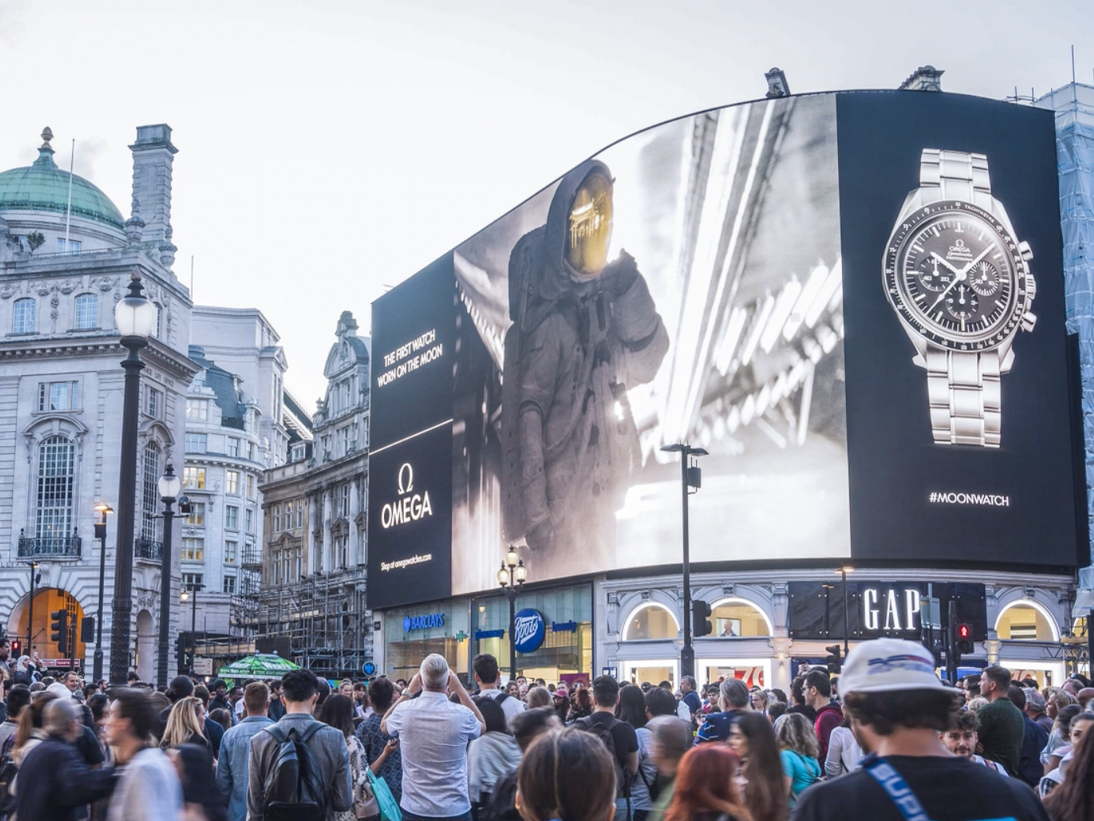
In many modern media plans, visual channels like television and DOOH get most of the attention. These channels offer scale, impact and strong visibility. Yet, audio remains a powerful driver of recall and emotional association. Brands that ignore audio branding lose an important layer of identity.
Below is a detailed look at the role of audio branding even when visual media dominates the mix.
1. Audio Builds Memory Faster Than Visuals Alone
Visuals communicate information, but audio builds memory.
A simple sonic cue, tune or mnemonic helps consumers recognise a brand instantly. Moreover, audio branding works even when the consumer is not watching a screen. Because of this, radio and connected audio platforms strengthen brand familiarity across daily routines.
2. Audio Stays Present in Low-Attention Environments
Consumers multitask all day. They drive, cook, work out, or scroll on their phones. In these moments, visual media cannot reach them.
However, radio and digital audio platforms can. This creates an always-on branding layer that keeps the brand alive between major TV or DOOH bursts.
As a result, brands maintain mental availability without increasing visual clutter.
3. Sonic Branding Creates Emotional Continuity Across Channels
A media plan works best when every channel sounds consistent.
TV shows the story. DOOH displays the impact. Audio expresses emotion.
When all three use the same sonic identity, the brand feels unified.
This continuity improves recall and increases trust. Additionally, it helps consumers recognise the brand even in short or fragmented exposures.
4. Radio Amplifies Local Reach at a Low Cost
TV and DOOH deliver scale in metros. Yet radio brings hyper-local presence at a far lower cost.
Brands can customise messages for cities, regions or even neighbourhoods.
This local flavour makes the brand relatable, especially in multilingual Indian markets. Because of this, radio becomes a strong addition to any visual-heavy media plan.
5. Connected Audio Offers Precision Targeting
Platforms like Spotify, Gaana and YouTube Music provide advanced targeting.
Marketers can reach audiences based on mood, activity or time of day.
For example, fitness brands can target morning workout playlists, while F&B brands can target evening cooking playlists.
This precision helps brands link emotional states with their sonic identity. Consequently, audio improves both awareness and engagement.
6. Audio Increases Frequency Without Fatigue
Consumers can get tired of overexposed visual ads. Audio avoids this problem.
Short sonic elements play naturally throughout the day.
Because audio is subtle and non-intrusive, it increases frequency without irritation.
This balance strengthens brand presence while maintaining comfort.
7. Audio Supports Performance Messaging Too
Although audio is excellent for presence, it can also drive action.
Radio ads with short offers or reminders lead to immediate responses.
Connected audio platforms allow clickable companion banners, which support digital conversions.
Therefore, audio contributes to both upper-funnel and lower-funnel outcomes.
8. Audio Strengthens Brand Identity in Screen-Free Moments
Today’s consumers take screen breaks to reduce fatigue. During these moments, visual ads lose visibility.
Yet audio continues to work. It evokes the brand without demanding attention.
Consequently, audio becomes the missing link that keeps brands relevant even when screens are off.
Final Takeaway
Visual channels may dominate budgets, but audio branding remains essential. It builds memory, enhances emotional impact and extends reach into everyday life. When radio and connected audio platforms complement TV and DOOH, the media plan becomes stronger and more complete.