






Why Radio Advertising Still Works in the Digital Era
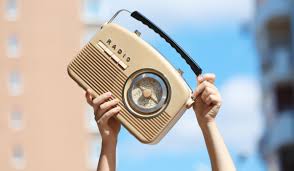
“Radio may not have a screen, but it paints pictures in the mind like no other medium.”
In today’s fast-paced digital-first world, where our screens are flooded with notifications, videos, and banner ads, one may wonder: Does radio advertising still matter? The answer is a resounding yes. Despite the boom of social media platforms, YouTube ads, and influencer collaborations, radio continues to hold a unique space in the advertising ecosystem. It’s personal, local, cost-effective, and still manages to create an emotional connection that many digital formats struggle to replicate.
Let’s explore why radio advertising still works in the digital era and why brands—both global and local—continue to invest in it as a trusted marketing channel.
1. Local Reach with a Personal Touch
Radio has always been the voice of the community. Unlike global digital platforms that scatter messages to audiences worldwide, radio stations are deeply rooted in local culture. They broadcast in regional languages, discuss issues relevant to the city, and host RJ conversations that feel familiar and relatable.
For a business looking to attract nearby customers—be it a restaurant, a retail store, or even a local healthcare clinic—radio provides hyperlocal targeting at scale. While social media ads may reach the right demographic, they often lack the authenticity and cultural nuance that a local RJ brings.
In cities like Delhi, Mumbai, Bengaluru, and even Tier 2 & 3 towns, radio connects emotionally because it feels like a friend talking, not a faceless brand pushing an ad. That’s why small businesses to multinational brands still swear by FM campaigns.

2. Cost-Effectiveness in a Tight Marketing Budget
One of the biggest reasons brands continue to choose radio is its affordable cost structure. Compared to TV ads or high-quality video production for digital platforms, radio requires lower production investment yet delivers high frequency and repetition—a critical factor for recall.
A simple audio jingle, a catchy slogan, or a brief endorsement by a popular RJ can cost far less than a single video campaign. Yet, when played multiple times throughout the day, it leaves a lasting impression on listeners.
Radio also allows for flexibility in budget allocation. Whether a brand wants to run short bursts of ads during festivals or long-term sustained campaigns, the pricing model works for both. This adaptability makes radio especially attractive for startups, SMEs, and regional businesses.
3. Emotional Connect Through Storytelling
Radio is not just about sound—it’s about imagination. Listeners don’t just hear an ad; they visualize it. A voiceover, background music, and a relatable script can build stronger emotional recall than an intrusive digital banner.
Think about iconic jingles that still hum in our minds years later. Radio creates an intimacy that no algorithm-driven ad can replicate. While digital ads often interrupt the user experience, radio blends seamlessly into people’s daily lives—while driving, cooking, working, or relaxing.
Moreover, RJs act as influencers of their own kind. Their endorsements sound like friendly advice, not paid promotions. This trusted voice factor is why many people try out local products or events after hearing them on air.
4. Theater of the Mind: Unlimited Creative Freedom
Unlike TV or digital video ads, where visuals define limits, radio operates in the theater of the mind. With just sound, advertisers can take listeners anywhere—into a bustling market, a fantasy world, or even inside someone’s personal thoughts.
This makes radio ads highly creative and versatile. A simple sound effect—raindrops, laughter, footsteps—can paint vivid mental pictures. Brands leverage this power to tell memorable stories at a fraction of the cost of video production.
For example, automobile ads often simulate the sound of an engine revving, creating excitement without showing the actual car. Food brands use sizzling and pouring sounds to make listeners crave a product instantly.
5. Multi-Tasking Friendly Medium
Unlike video or display ads, radio doesn’t demand your full attention. It allows people to listen while doing other things. This makes radio ads less intrusive and more acceptable compared to digital formats that interrupt scrolling or video watching.
Whether someone is driving, working out, cooking, or just commuting, radio keeps them engaged without distraction. This ensures ads are absorbed naturally into daily routines rather than forcing themselves onto screens.
In today’s multi-screen world, where attention is divided across devices, radio continues to thrive because it fits seamlessly into life’s background.
6. High Frequency = High Recall
One of the golden rules of marketing is repetition breeds recall. Radio excels at this. Because ad slots are relatively inexpensive, brands can repeat messages multiple times a day, ensuring that the listener not only hears the ad but remembers it.
Digital ads, on the other hand, often face ad fatigue—users skip, block, or ignore repetitive content. Radio listeners, however, accept repetition because it becomes part of the programming rhythm. This is why jingles, slogans, and brand mentions stick so well.
7. Trust and Familiarity Through RJs
Radio jockeys (RJs) are more than just presenters—they’re trusted companions. For years, people have started their mornings or ended their workdays with the same RJ’s voice. This creates a sense of authentic trust.
When an RJ casually endorses a brand or product, it feels less like an ad and more like a recommendation from a friend. This authenticity is hard to replicate in digital influencer marketing, where paid partnerships are often obvious and sometimes lack credibility.
Brands leverage this trust factor by tying up with RJs for on-air mentions, contests, and interactive campaigns that feel engaging rather than intrusive.
8. Radio Complements Digital Advertising
Rather than competing with digital, radio actually amplifies digital campaigns. Many brands now use radio ads to drive listeners to their websites, apps, or social media handles. A quick jingle followed by a call-to-action—“Download our app now!”—works wonders.
Radio provides the emotional nudge, while digital provides the conversion platform. This cross-media synergy ensures higher campaign effectiveness. For instance, a restaurant may run a radio contest and then ask winners to share their experience online, creating multichannel buzz.
9. The Longevity of Radio as a Medium
Despite predictions that radio would die with the rise of television and later the internet, it has consistently adapted and thrived. Today, radio is not just FM—it’s also internet radio, podcasts, and streaming audio ads.
Platforms like Spotify, Gaana, and JioSaavn are essentially modern evolutions of radio. Audio-first advertising has proven its resilience and adaptability, making it one of the most future-ready mediums even in the digital age.
10. Festivals, Events, and Cultural Connect
In India, radio is especially powerful during festivals and cultural events. From Diwali discounts to cricket match commentaries, FM stations become a hub of excitement. Brands strategically place ads during these times to maximize resonance.
Radio also provides opportunities for on-ground activations like contests, live events, and RJ meet-and-greets, which strengthen the brand-consumer bond. This cultural integration keeps radio not just relevant but celebratory and vibrant.
Metro Station Platform Advertising at Delta 1, Noida: Power Your Brand Along the IT Corridor
Metro Station Platform Advertising at Sachivalaya, Lucknow: The Smart Way to Reach Decision Makers
Radio Is Far from Dead—It’s Reinvented
While digital advertising may dominate headlines, radio advertising continues to thrive because of its local reach, affordability, emotional resonance, and adaptability. It doesn’t compete with digital—it complements it, creating a powerful marketing mix that engages both the heart and the mind.

For businesses big or small, radio remains a trusted ally—a medium that delivers reach, recall, and results in ways that no amount of flashy digital ads can completely replace.
So, the next time you’re mapping out your marketing budget, remember:
In the noisy world of digital, sometimes the most powerful voice is the one you hear, not the one you see.