






Radio Advertising in Tier 2 and Tier 3 Cities: Opportunities and Barriers

Radio advertising in Tier 2 and Tier 3 cities helps brands reach regional audiences effectively with cost-efficient and language-specific campaigns.
“In India’s heartlands, where smartphones may buffer and billboards may go unseen, the sound of radio still cuts through the noise—reaching homes, shops, and streets with unmatched intimacy.”
When marketers think of advertising, their eyes often turn to India’s metro cities—Delhi, Mumbai, Bengaluru, and Chennai. But the real growth story lies beyond these metros, in Tier 2 and Tier 3 cities, where aspirations are rising, incomes are growing, and local trust matters more than global glamour.
And in these markets, radio advertising remains a powerful, cost-effective, and deeply engaging medium. While digital platforms expand, radio continues to command loyalty in smaller cities, making it one of the best tools for local and regional brand building.
Let’s explore why radio thrives in non-metro markets, the opportunities for brands, the barriers that exist, and how businesses can navigate them.
Opportunities of Radio Advertising in Tier 2 & 3 Cities
1. Deep Local Reach and Penetration
In Tier 2 and Tier 3 cities, radio isn’t just entertainment—it’s a companion. From shopkeepers tuning in during business hours to farmers listening while working in fields, radio reaches audiences who may not be as digitally active.
- Radio in India has over 65% penetration in rural and semi-urban areas.
- Local FM stations broadcast in regional languages and dialects, making ads relatable and trusted.

2. Cost-Effective Medium for SMEs
Small and medium businesses (SMEs), which dominate non-metro markets, often don’t have large budgets for TV or print. Radio provides:
- Affordable entry points: Ads can start with smaller slots and still reach thousands.
- Flexibility: Businesses can run campaigns for festive sales, local store launches, or seasonal promotions.
- High ROI: A well-crafted 30-second radio ad often creates more impact than expensive print ads.
3. Strong Emotional Connect Through Regional Culture
Radio thrives on language, music, and local culture. In smaller cities, emotional connections are stronger when brands speak the local dialect and reference cultural values.
- RJ endorsements often feel like word-of-mouth from a trusted friend.
- Brands can localize jingles with folk tunes, festive songs, or regional humor.
This helps create long-term loyalty far beyond a single ad campaign.
4. Festive & Seasonal Amplification
Tier 2 and Tier 3 markets are festivity-driven economies. During Diwali, Holi, Eid, or regional fairs, radio acts as a festive amplifier.
- Special programming and contests around festivals allow brands to embed their messages in celebrations.
- Listeners associate ads with positive emotions, making recall stronger.
5. Mobility & Ubiquity
From auto-rickshaw drivers to shopkeepers, radio is always on the move. In cities with weaker internet connectivity, FM radio is more reliable and accessible.
This constant presence means ads are heard multiple times daily, boosting recall and purchase intent.
Barriers of Radio Advertising in Tier 2 & 3 Cities
1. Lack of Visual Appeal
Radio struggles with product-based marketing (like fashion or electronics), where visuals matter more.
- Without visuals, creating aspirational appeal is difficult.
- Rural-first audiences sometimes prefer seeing before believing.
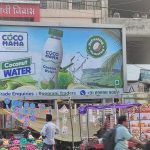
Combine radio with local print ads, OOH billboards, and WhatsApp marketing for a visual push.
2. Measurement & ROI Tracking Challenges
Unlike digital ads, radio doesn’t provide exact data on listener engagement. This makes it harder for businesses to measure success.
- SMEs often hesitate because they want tangible proof of returns.
Use promo codes, unique phone numbers, or store mentions in radio ads to track effectiveness.
3. Audience Fragmentation Due to Smartphones
While radio is still dominant, younger audiences in Tier 2/3 cities are shifting to YouTube, music apps, and podcasts. This creates fragmentation in listenership.
Brands must blend FM campaigns with digital audio ads on JioSaavn, Spotify, or regional podcast networks.
4. Limited Creative Quality
Smaller businesses often struggle to create engaging jingles or professional scripts, reducing ad impact.
Agencies and radio stations can offer low-cost creative packages to help SMEs produce high-quality audio.
5. High Ad Clutter During Festive Seasons
Ironically, the festive boom also creates clutter, as multiple brands compete for the same audience. Ads may lose attention in the noise.
Focus on storytelling and unique sonic branding (distinct jingles, RJ-driven content, or contests) to stand out.
Why Radio Still Wins in Non-Metro Markets
Despite these challenges, radio remains one of the most trusted and accessible mediums for non-metro India. It bridges the gap between traditional trust and modern aspirations.
- For brands: Radio offers low cost, high frequency, and emotional engagement.
- For SMEs: It provides a level playing field against bigger brands.
- For audiences: It blends entertainment with local identity.
As India’s consumption shifts from metros to smaller towns, radio advertising is not just surviving—it is thriving.
Radio vs. Digital Ads: Which Works Better for Local Marketing?
How Radio Advertising Boosts Recall and Brand Loyalty
Radio’s Voice in India’s Growth Story
Tier 2 and Tier 3 India represent the real engine of consumer growth, and radio sits at the heart of this ecosystem. While digital and TV ads fight for attention in metros, radio continues to dominate smaller cities with trust, local flavor, and affordability.

The key for brands is not to see radio’s barriers as deal-breakers, but as opportunities for innovation. When paired with digital strategies, creative storytelling, and localized content, radio advertising in Tier 2 and Tier 3 cities can become the most impactful marketing channel for India’s next billion consumers.