







Print Ad Formats Explained: Full Page, Half Page, Quarter Page & Inserts
print ad formats—full page, half page, quarter page, and inserts—offer different levels of visibility, cost efficiency, and brand recall.
Despite the rapid growth of digital media, print advertising continues to deliver credibility, focused attention, and strong brand recall—especially in newspapers and magazines. One of the biggest advantages of print is the variety of ad formats it offers. From dominant full-page ads to cost-efficient quarter pages and high-impact inserts, each format serves a different marketing objective.
Choosing the right print ad format is critical because size, placement, and format directly influence visibility, recall, and response. This article explains the most commonly used print ad formats—Full Page, Half Page, Quarter Page, and Inserts—and how brands should use them strategically.
Understanding Print Ad Formats
Print ad formats are defined by space occupied on the newspaper or magazine page or by whether the ad is placed inside the paper as a separate insert. Larger formats command more attention, while smaller formats offer efficiency. Therefore, format selection should always align with campaign goals, budget, and message depth.

Full Page Ads: Maximum Visibility and Impact
What Is a Full Page Print Ad?
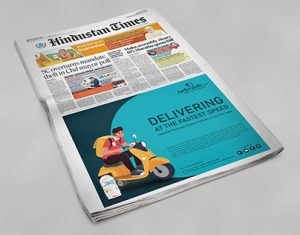
A full-page ad occupies an entire newspaper or magazine page. It allows complete creative freedom, including large visuals, bold headlines, detailed copy, and strong calls to action.
Impact on Brand Recall
Full-page ads deliver high visual dominance. Since there is no competing editorial content on the page, reader attention stays focused on the brand. As a result, recall levels are among the highest in print advertising.
Best Use Cases
-
Brand and product launches
-
Real estate and infrastructure projects
-
Automobile, smartphone, and FMCG launches
-
Government and public awareness campaigns
Cost Level: High
Recall Strength: Very High
Best For: Brand leadership and mass awareness
Half Page Ads: Strong Presence with Cost Control
What Is a Half Page Print Ad?
A half-page ad covers 50% of a page and can be placed vertically or horizontally. It balances visibility with budget efficiency.
Impact on Brand Recall
Half-page ads still command strong attention, especially when placed on premium pages. While slightly less dominant than full pages, they offer excellent cost-to-recall efficiency.
Best Use Cases
-
Ongoing brand campaigns
-
Retail promotions and festive offers
-
Education, BFSI, and healthcare brands
Cost Level: Medium–High
Recall Strength: High
Best For: Sustained visibility with controlled budgets
Quarter Page Ads: Compact and Cost-Efficient
What Is a Quarter Page Print Ad?
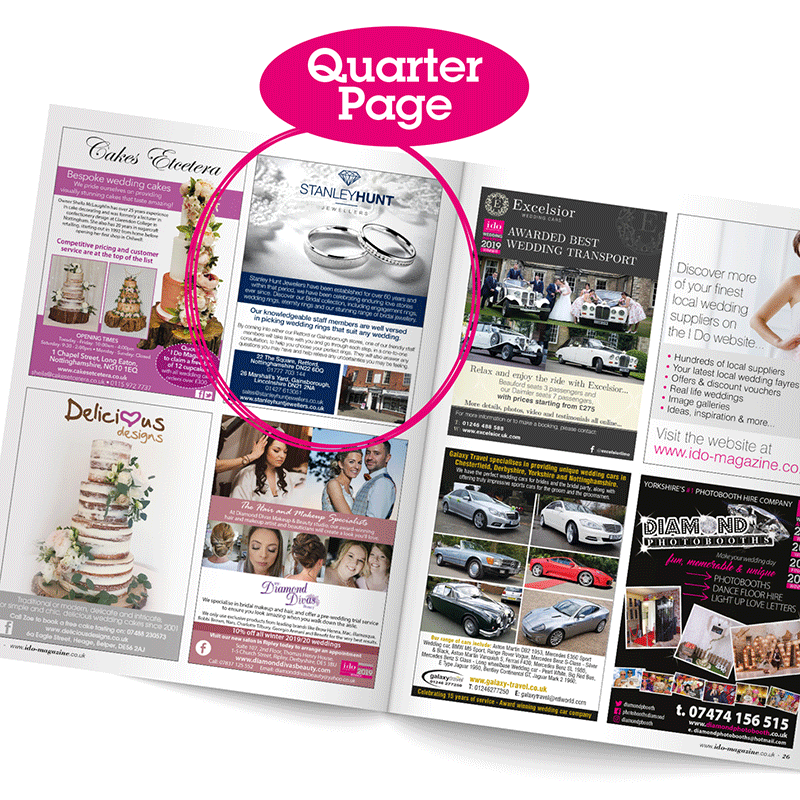
A quarter-page ad occupies 25% of a page. These ads rely on sharp headlines, concise copy, and focused messaging.
Impact on Brand Recall
Quarter-page ads generate functional recall rather than emotional impact. Readers remember offers, prices, or contact details more than brand storytelling. Therefore, clarity is more important than creativity.
Best Use Cases
-
Retail sales and discounts
-
Local services and announcements
-
Coaching centres, events, and exhibitions
Cost Level: Medium
Recall Strength: Medium
Best For: Tactical promotions and lead generation
Inserts: High Engagement and Guaranteed Exposure
What Are Print Inserts?
Inserts are separate printed leaflets or brochures placed inside the newspaper. They are not restricted by page size and can be single-sheet flyers or multi-page pamphlets.
Impact on Brand Recall
Inserts deliver forced exposure. Every reader physically handles the insert while opening the newspaper. As a result, engagement time and message absorption are significantly higher.
Best Use Cases
-
Retail catalogues and festive offers
-
E-commerce and grocery promotions
-
Real estate brochures
-
Product education campaigns
Cost Level: Medium–High (printing + insertion)
Recall Strength: High
Best For: Detailed messaging and action-driven campaigns
Comparison of Print Ad Formats
| Format | Visibility | Cost | Recall Strength | Best Use |
|---|---|---|---|---|
| Full Page | Very High | High | Very High | Launches & dominance |
| Half Page | High | Medium–High | High | Brand continuity |
| Quarter Page | Medium | Medium | Medium | Offers & local ads |
| Inserts | High | Medium–High | High | Engagement & details |
How to Choose the Right Print Ad Format
The right format depends on campaign objective and budget. If the goal is market impact and leadership, full-page ads work best. However, if sustained presence is required, half-page ads offer better frequency. Meanwhile, quarter-page ads suit tactical and hyperlocal campaigns. Inserts are ideal when brands need to explain products or drive immediate action.
In many campaigns, brands combine formats—for example, a full-page ad on launch day followed by half-page or quarter-page ads for continuity.
Factors Beyond Size That Affect Performance
Print ad effectiveness is also influenced by:
-
Page position (front, back, right-hand pages)
-
Day of publication (weekend vs weekday)
-
City and edition selection
-
Creative quality and headline clarity
Therefore, format choice should always be paired with smart media planning.
Conclusion: Format Choice Shapes Print Advertising Success
In conclusion, print ad formats—full page, half page, quarter page, and inserts—offer different levels of visibility, cost efficiency, and brand recall. Larger formats build strong brand presence, while smaller formats drive tactical results. Inserts add engagement that standard ads cannot. Brands that choose the right format based on objectives and audience consistently achieve better recall and stronger ROI from print advertising.