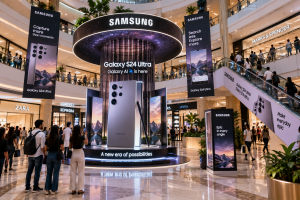








YouTube vs Instagram for Tech Influencers: Choosing the Right Media Format
YouTube vs Instagram for Tech Influencers explained with content formats, monetisation, audience behaviour and brand fit.
For tech influencers, selecting the right platform can define growth, credibility, and monetisation. YouTube vs Instagram for Tech Influencers: Choosing the Right Media Format is not just a platform debate; instead, it is a strategic media decision. While both platforms command massive audiences, they serve different content styles, consumption behaviours, and brand objectives. Therefore, understanding how YouTube and Instagram function for tech creators is essential before committing time and resources.
Understanding Audience Behaviour on YouTube and Instagram
Tech audiences consume content differently across platforms. On YouTube, viewers actively search for information. Consequently, they invest more time watching reviews, comparisons, tutorials, and deep-dive explainers. In contrast, Instagram thrives on discovery-driven consumption. Users scroll quickly, engage visually, and expect concise insights.

As a result, tech influencers must align platform choice with audience intent. While YouTube attracts high-intent viewers seeking solutions, Instagram captures attention during casual browsing moments.
Content Format Comparison: Long-Form vs Short-Form
YouTube Content for Tech Influencers
YouTube supports long-form storytelling. Therefore, creators can publish unboxing videos, performance benchmarks, software walkthroughs, and product comparisons. Additionally, YouTube’s algorithm rewards watch time and consistency, which helps evergreen tech content generate views over months or even years.
Moreover, tech influencers benefit from higher trust levels on YouTube. Viewers often consider YouTubers as subject-matter experts, especially when videos include demonstrations, screen recordings, and real-world testing.
Instagram Content for Tech Influencers
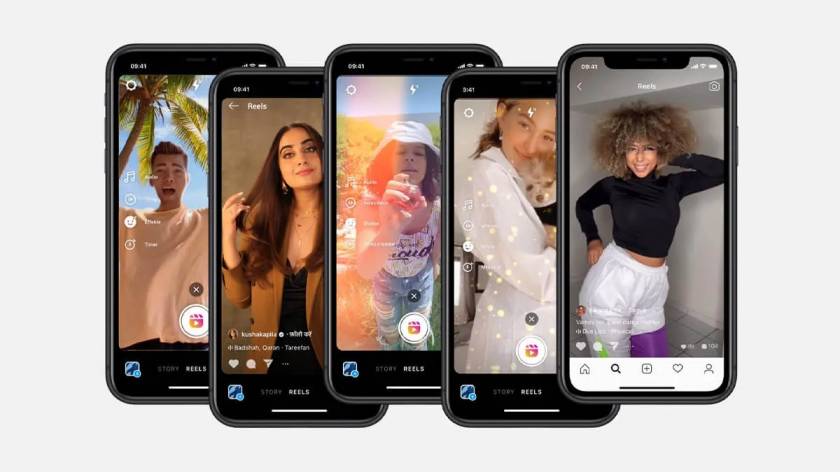
Instagram prioritises short-form content like Reels, Stories, and Carousels. Hence, tech influencers focus on quick tips, feature highlights, first impressions, and visual hacks. Although depth is limited, reach potential is high.
Furthermore, Instagram’s algorithm boosts engaging Reels rapidly. As a result, new tech creators can gain visibility faster compared to YouTube’s slower growth curve.
Monetisation Opportunities on Both Platforms
Monetisation plays a vital role when choosing between YouTube and Instagram for tech influencers.
On YouTube, revenue streams include ad monetisation, affiliate links, brand integrations, and long-term sponsorships. Since videos have a longer lifespan, income potential compounds over time.
On Instagram, monetisation relies heavily on brand collaborations, paid Reels, affiliate promotions, and story shoutouts. While payouts can be attractive, content lifespan is shorter. Therefore, consistency is crucial to maintain earnings.
Brand Collaboration Suitability
Brands approach platforms differently. Tech brands prefer YouTube for product launches, detailed reviews, and comparison-driven campaigns. This happens because YouTube content influences purchase decisions more directly.
However, Instagram works exceptionally well for awareness campaigns. Smartphone brands, gadget accessories, apps, and SaaS tools often choose Instagram Reels to create buzz quickly. Hence, Instagram suits top-of-funnel marketing, while YouTube supports mid-to-bottom funnel conversions.
Algorithm and Discoverability Differences
YouTube functions like a search engine. Therefore, SEO optimisation, thumbnails, and retention rates strongly influence visibility. Once ranked, videos can deliver sustained traffic.
Instagram depends more on engagement velocity. Likes, shares, saves, and comments determine reach. Consequently, creators must adapt to trends and posting frequency to stay relevant.
Choosing the Right Platform Based on Influencer Goals
The decision between YouTube and Instagram depends on individual goals.
-
If you aim to build authority, credibility, and long-term income, YouTube is ideal.
-
If rapid growth, visual storytelling, and brand collaborations matter more, Instagram becomes the better choice.

However, many successful tech influencers adopt a hybrid strategy. They use YouTube for detailed content while leveraging Instagram for teasers, highlights, and audience engagement.
Final Verdict: YouTube vs Instagram for Tech Influencers
There is no universal winner. Instead, YouTube vs Instagram for Tech Influencers: Choosing the Right Media Format depends on content depth, audience behaviour, and monetisation strategy. While YouTube builds trust and longevity, Instagram drives reach and quick engagement. Therefore, tech influencers should evaluate strengths, resources, and brand alignment before deciding—or ideally, integrate both platforms strategically.